Navigating the rental and real estate market in the Czech Republic has become increasingly intriguing as the country experiences shifts in demand and pricing trends.
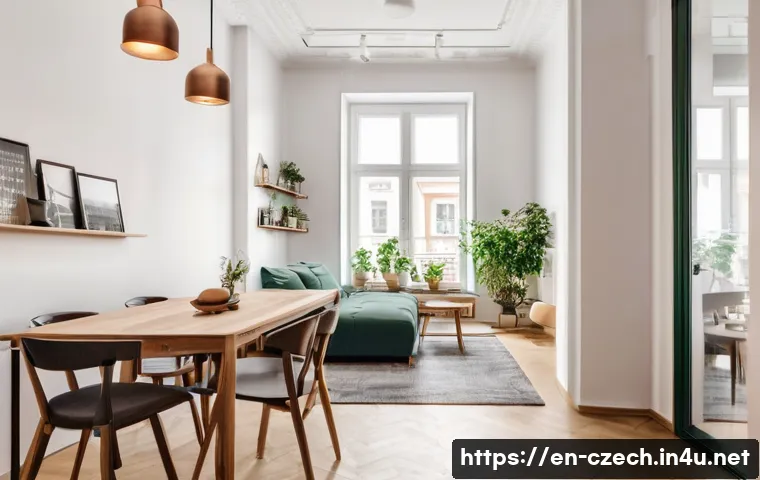
From the bustling streets of Prague to the quieter towns, rental costs and property values vary widely, reflecting economic changes and lifestyle preferences.
Whether you’re an expat searching for your next home or an investor eyeing opportunities, understanding these dynamics is crucial. Recent developments suggest a gradual rise in prices, influenced by both local and international factors.
Let’s dive into the details and uncover what you really need to know about Czech housing costs today!
Understanding Neighborhood Influences on Rental Pricing
Urban Hotspots vs. Suburban Calm
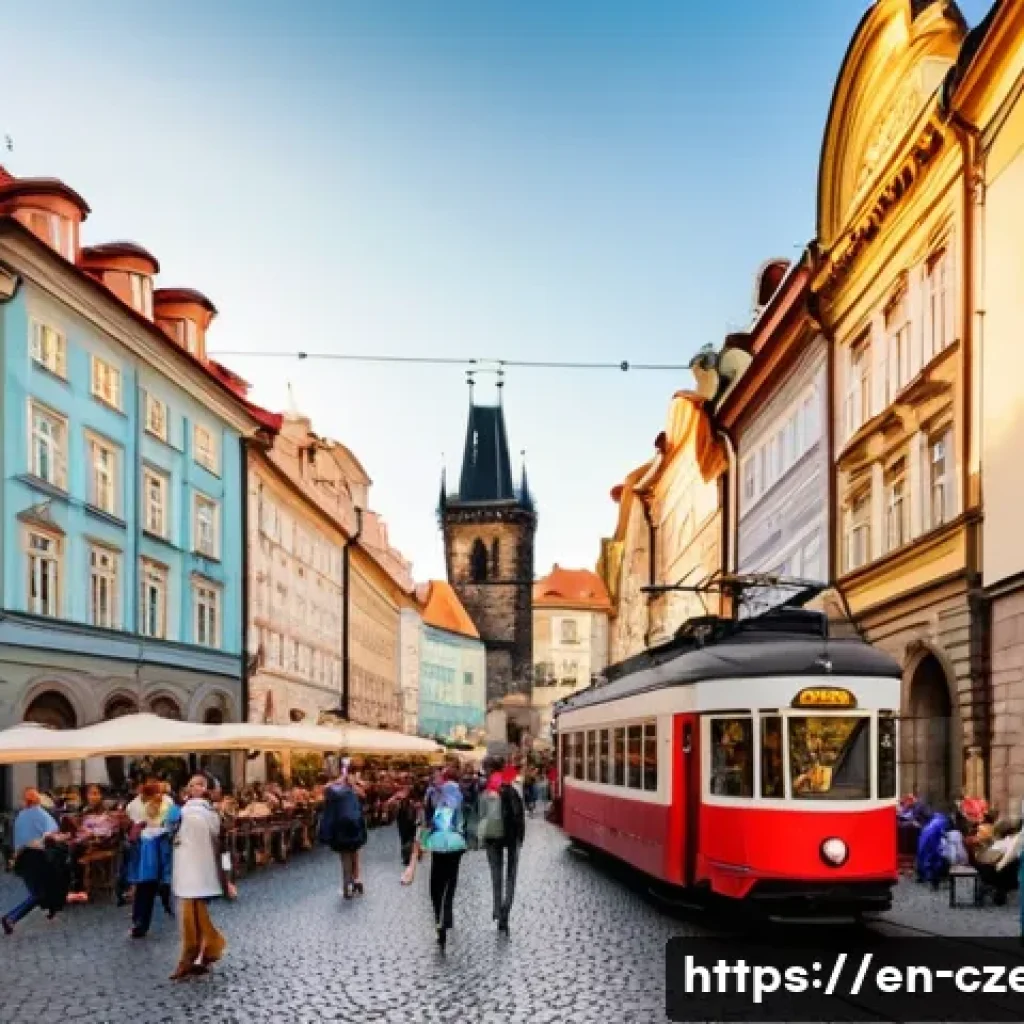
In cities like Prague and Brno, rental prices tend to spike in central neighborhoods, where accessibility and amenities draw crowds. Areas like Prague’s Old Town or Brno’s city center command premium prices due to their proximity to cultural sites, dining, and employment hubs.
Conversely, suburban districts or smaller towns offer more affordable rents, appealing to those prioritizing space and tranquility over city buzz. I personally found that living just a few tram stops away from the city center in Prague cut my rent by almost 30% while still allowing easy access to downtown life.
Emerging Districts and Their Appeal
Certain up-and-coming neighborhoods are gaining traction as affordable alternatives with future growth potential. For example, Prague’s Holešovice and Karlín have transformed from industrial zones into trendy quarters filled with cafes, galleries, and startups.
Renters and buyers alike are attracted by the blend of affordable prices and vibrant community life. From my experience, investing time in exploring these neighborhoods can uncover hidden gems that balance cost and lifestyle perfectly.
Impact of Transportation and Infrastructure
Access to public transportation heavily influences rental costs across the Czech Republic. Apartments near metro stations or major bus lines typically carry higher rents.
This factor often outweighs the actual size or condition of the property. When I searched for rentals, I noticed that even a one-bedroom flat near a metro stop could cost significantly more than a larger apartment farther out.
It’s a trade-off many renters weigh carefully, especially commuters.
Trends Driving Property Value Changes
Post-Pandemic Market Recovery
The Czech real estate market experienced a slowdown during the pandemic, but demand has rebounded steadily since mid-2022. Property values, especially in prime locations, are climbing again as people resume urban living and foreign investors return.
I’ve observed that this recovery phase is marked by cautious optimism, with buyers seeking properties that promise long-term value rather than quick flips.
Foreign Investment and Its Effects
International buyers, particularly from Germany and other EU countries, have increased interest in Czech properties. Their demand has pushed prices up, especially in cities popular with expats and tourists.
While this influx supports market growth, it also creates challenges for local residents trying to find affordable housing. From discussions with local agents, this trend is expected to persist, further tightening supply.
Government Policies and Market Regulation
Recent changes in Czech housing regulations, including taxation on vacant properties and stricter rental laws, aim to balance the market. These policies can influence investor behavior and rental pricing, sometimes leading to slower price hikes or increased rental availability.
During my research, I found that understanding these legal shifts is key to making informed decisions, whether you’re renting or investing.
Comparing Rental Costs Across Key Cities
Prague’s Premium Market
Prague remains the most expensive city for rentals, especially in central districts. Studio apartments can start around 15,000 CZK monthly, while larger flats in desirable areas often exceed 30,000 CZK.
The high demand from expats, students, and professionals keeps prices elevated year-round.
Brno and Ostrava as Budget-Friendly Alternatives
Brno and Ostrava offer more affordable options for renters, with monthly rents often 20-40% lower than Prague’s averages. These cities attract students and young professionals who appreciate the lower cost of living while still enjoying urban amenities.
Personally, I found Brno’s rental market to offer excellent value without sacrificing quality or convenience.
Smaller Towns and Rural Options
Outside major cities, rental prices drop significantly. Towns like Plzeň or Liberec provide peaceful living environments at a fraction of city-center rents.
These areas appeal to families and retirees looking for spacious homes and a slower pace of life. However, public transport and job opportunities can be more limited, so it’s important to weigh those factors.
Typical Rental Price Ranges by City and Apartment Type
| City | Studio (CZK/month) | 1-Bedroom (CZK/month) | 2-Bedroom (CZK/month) | 3-Bedroom+ (CZK/month) |
|---|---|---|---|---|
| Prague | 15,000 – 20,000 | 18,000 – 28,000 | 25,000 – 40,000 | 35,000 – 60,000+ |
| Brno | 10,000 – 14,000 | 13,000 – 20,000 | 18,000 – 28,000 | 25,000 – 40,000 |
| Ostrava | 8,000 – 12,000 | 10,000 – 16,000 | 15,000 – 24,000 | 20,000 – 35,000 |
| Smaller Towns | 5,000 – 8,000 | 7,000 – 12,000 | 10,000 – 18,000 | 15,000 – 25,000 |
Seasonal Factors Affecting Rental Availability
Peak Demand Periods
Spring and early autumn are high seasons for rentals, coinciding with university semesters and job market fluctuations. During these times, competition increases and landlords may raise prices or require quicker commitments.
I’ve noticed that starting a rental search a couple of months in advance can make a big difference in finding better deals and avoiding last-minute price surges.
Off-Season Opportunities
Winter months typically see less rental activity, which can translate into lower prices or more flexible lease terms. If you have the flexibility to move during this quieter period, you might negotiate better rental conditions.
From personal experience, reaching out directly to landlords during off-season often yielded opportunities that weren’t advertised widely.
Long-Term Lease vs. Short-Term Rentals
Long-term leases generally offer more stability and sometimes lower monthly rents compared to short-term or furnished rentals, which cater mostly to tourists or temporary residents.
Deciding between the two depends on your lifestyle and plans. I found that opting for a long-term lease in a less touristy area helped me save substantially while settling into a community.
Key Factors Influencing Buyer Decisions
Property Condition and Age
Buyers often prioritize newer or recently renovated properties to avoid costly repairs. In Prague, historical buildings with modern upgrades are highly sought after, blending charm with convenience.
I’ve witnessed firsthand how investing in a well-maintained older flat can pay off in comfort and resale value, despite a higher initial price tag.
Neighborhood Amenities and Future Developments
Access to schools, parks, shops, and healthcare plays a major role in property desirability. Upcoming infrastructure projects or urban renewal plans can also boost value.
When I was scouting properties, researching municipal plans helped me identify neighborhoods likely to appreciate faster.
Financing and Mortgage Availability
Interest rates and lending criteria impact how much buyers can afford and influence market dynamics. The Czech banking sector has been relatively stable, but fluctuations in rates can shift demand.
Speaking with local mortgage advisors provided me with clearer insights into the best timing for purchase and financing options tailored to expats.
How Expats Can Navigate the Rental Process Smoothly
Understanding Lease Agreements
Lease contracts in the Czech Republic can differ from those in other countries. It’s essential to carefully review terms related to deposit amounts, notice periods, and utilities.
I learned that having a local translator or legal adviser review documents helps avoid misunderstandings and ensures compliance with Czech law.
Dealing with Agents and Landlords
Working with reputable real estate agents can ease the search, but it’s important to clarify fees and expectations upfront. Some landlords prefer direct negotiation, which might lead to better deals but requires more effort.
In my case, combining online searches with agent support was the best strategy to balance efficiency and cost.
Tips for Securing the Best Deals
Flexibility on move-in dates, willingness to sign longer leases, and prompt communication often impress landlords and can improve your bargaining power.
I found that providing references and proof of steady income early in the process helped landlords trust me and made my applications stand out among others.
Investment Potential in Czech Real Estate
Rental Yield Expectations
Investment properties in major Czech cities typically offer gross rental yields between 3% and 6%, depending on location and property type. While not sky-high, these returns are attractive compared to many Western European markets.
From conversations with investors, a steady rental income combined with property appreciation makes Czech real estate a compelling option.
Market Risks and Considerations
Potential risks include regulatory changes, fluctuating demand, and maintenance costs. Understanding local market cycles and staying informed about legal reforms is crucial.
I recommend prospective investors connect with local experts to navigate these complexities effectively.
Long-Term Growth Prospects
With the Czech Republic’s stable economy, growing tech sector, and increasing international appeal, long-term growth looks promising. Neighborhoods undergoing revitalization or benefiting from new infrastructure projects often outperform others.
Personally, I’ve seen properties in such areas appreciate steadily, reinforcing the value of strategic location choices.
Conclusion
Understanding the various factors that influence rental prices and property values in the Czech Republic is essential for both renters and investors. From neighborhood dynamics to government policies, each element plays a crucial role in shaping the market. With careful research and strategic choices, you can find great opportunities that match your lifestyle and financial goals. Whether you’re moving to Prague or exploring smaller cities, informed decisions will always pay off in the long run.
Useful Information to Keep in Mind
1. Timing your rental search around peak seasons can help you avoid higher prices and limited availability.
2. Exploring emerging neighborhoods often reveals affordable options with strong growth potential.
3. Prioritize access to public transport when choosing a rental to balance convenience and cost.
4. Understanding local lease agreements thoroughly can prevent misunderstandings and protect your rights.
5. Long-term leases generally offer better value and stability compared to short-term rentals.
Key Takeaways
Rental prices in the Czech Republic vary significantly depending on location, transportation access, and neighborhood appeal. Urban centers like Prague command premium rents, while cities like Brno and Ostrava provide more budget-friendly alternatives. Post-pandemic recovery and foreign investment continue to influence market trends, making it vital to stay updated on legal changes and economic factors. For expats and investors alike, thorough research and local insights are indispensable tools for navigating this dynamic market successfully.
Frequently Asked Questions (FAQ) 📖
Q: How much does it typically cost to rent an apartment in Prague compared to smaller Czech towns?
A: Renting in Prague tends to be noticeably more expensive than in smaller towns, mainly due to its status as the economic and cultural hub. For example, a one-bedroom apartment in central Prague can range from 20,000 to 30,000 CZK per month (roughly $900 to $1,350), while in quieter regions like Brno or Olomouc, similar apartments might cost 12,000 to 18,000 CZK ($540 to $800).
Keep in mind, prices fluctuate with demand, and newer or fully furnished places usually command higher rents. From my own experience, expats often find that living slightly outside the city center offers a better balance between price and lifestyle.
Q: Are property values in the Czech Republic expected to keep rising, and what factors influence these trends?
A: Yes, property values have been gradually increasing, especially in Prague and other major cities. This upward trend is driven by several factors: a steady influx of international workers, low interest rates encouraging investment, and limited new housing developments pushing demand higher.
However, there’s some cooling in the market recently due to global economic uncertainties and inflation. Personally, I’ve noticed that while prices grow, savvy buyers who focus on emerging neighborhoods or upcoming infrastructure projects tend to find better deals with solid long-term potential.
Q: What should expats know before entering the Czech rental market?
A: Expats should be prepared for a few key realities. First, landlords often require a security deposit equal to one or two months’ rent, and sometimes references or proof of income.
The rental contracts are usually straightforward but can be in Czech, so having a local translator or agent can save headaches. Utilities are often not included in rent, so budgeting for electricity, gas, and internet separately is important.
From my conversations with fellow expats, patience is crucial—finding the right place can take time, but once you do, the Czech rental market offers a great mix of quality and affordability compared to other European capitals.