Brno, the Czech Republic’s vibrant second city, is a treasure trove of historical landmarks that weave together centuries of culture, architecture, and stories.
From medieval castles to stunning cathedrals, each site offers a glimpse into the city’s rich past and evolving identity. Exploring these landmarks not only reveals the artistic and political heritage of Brno but also provides a unique experience for history enthusiasts and casual travelers alike.
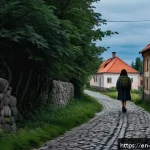
Whether you’re wandering through the cobblestone streets or marveling at Baroque facades, Brno’s history comes alive at every corner. Let’s dive deeper and uncover the fascinating tales behind Brno’s most iconic historical spots!
Unearthing Brno’s Architectural Marvels
The Timeless Allure of Medieval Fortifications
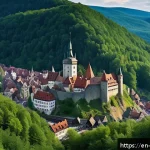
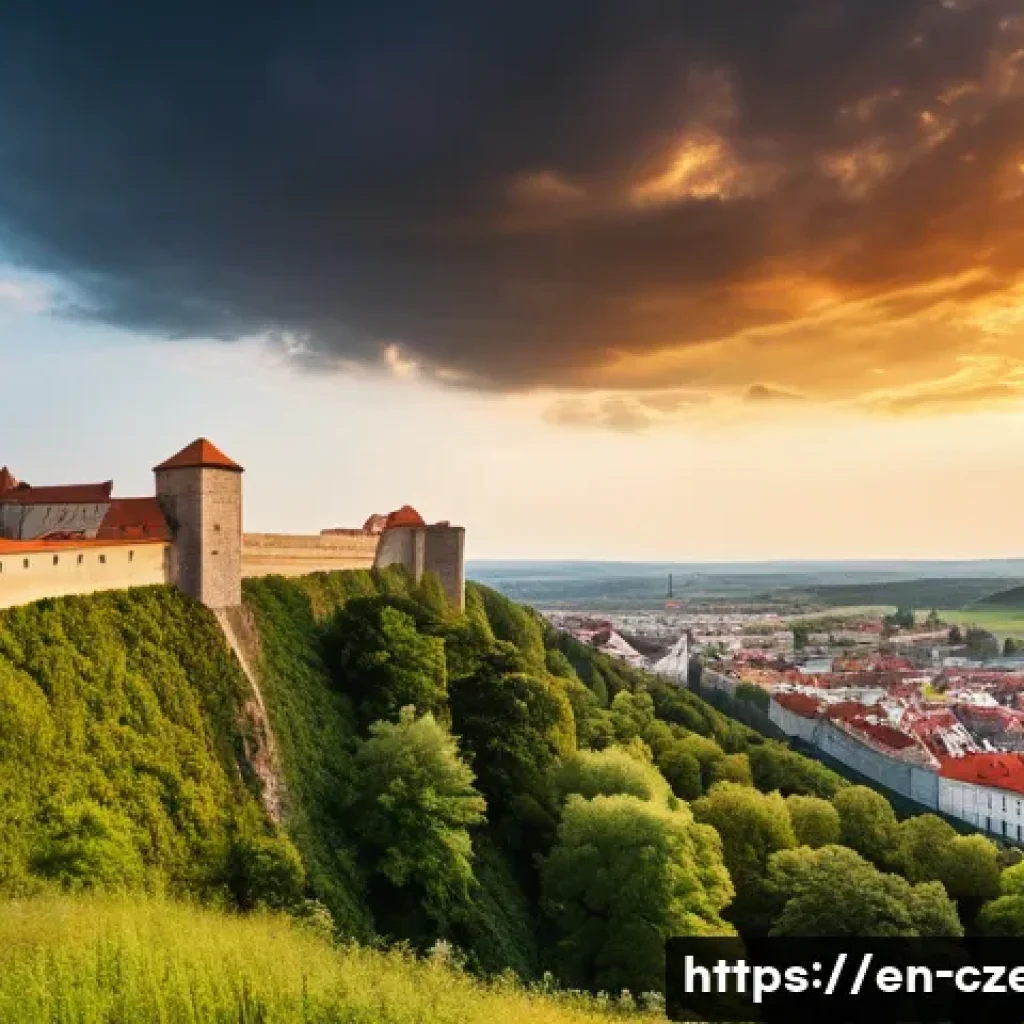
Brno’s skyline is punctuated by medieval fortifications that have stood the test of time, whispering tales of battles, sieges, and resilience. When you step inside these thick stone walls, you can almost hear the echoes of knights and soldiers preparing for defense.
The labyrinthine passages and towers provide an immersive experience, allowing visitors to feel the weight of history literally surrounding them. What fascinates me most is how these fortresses were not just military strongholds but also centers of governance and social life during their prime.
Walking through them, I found myself imagining the daily hustle of castle life – from bustling courtyards to secret chambers.
Baroque Brilliance in Urban Design
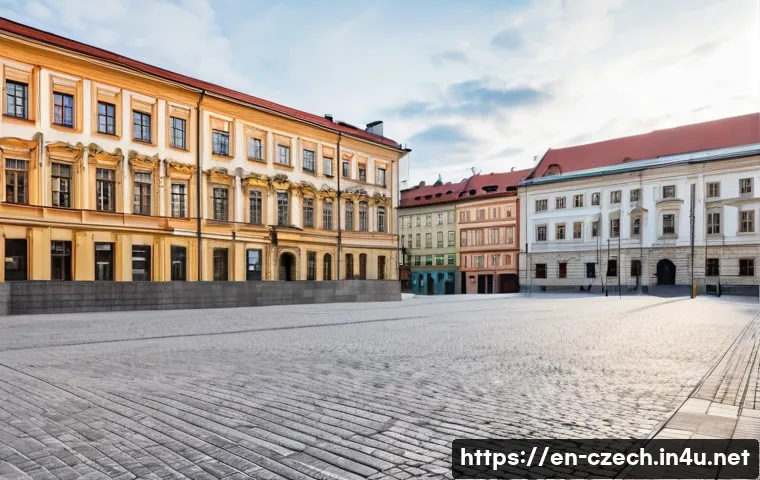
The Baroque period left an indelible mark on Brno’s urban fabric, with its ornate facades, grand churches, and elegant squares. The intricate details on these buildings showcase the craftsmanship and artistic flair of the era.
I was genuinely struck by how the city managed to blend these lavish structures with its medieval roots, creating a unique harmony between old and newer styles.
Strolling around, it’s easy to get lost in the beauty of swirling stuccoes, statues, and frescoes that adorn these landmarks, each telling a story of religious devotion, power, or artistic ambition.
Modernist Echoes in Historical Context
While Brno is renowned for its older heritage, it also embraces modernist architecture that emerged in the early 20th century. This juxtaposition of styles reveals the city’s evolution and openness to innovation.
The clean lines and functional aesthetics of modernist buildings stand in contrast but complement the ornate historical structures. Exploring this blend, I realized how Brno’s architectural narrative is not frozen in time but a living story continuously shaped by cultural shifts and technological progress.
Exploring Brno’s Spiritual Heritage Through Its Sacred Spaces
The Majestic Presence of Gothic Cathedrals
Brno’s cathedrals are not just places of worship but monumental chronicles of faith and art. The soaring spires and pointed arches typical of Gothic architecture inspire awe and reverence.
Inside, the play of light through stained glass windows creates a serene atmosphere that invites contemplation. What I found most compelling was the way these cathedrals have preserved centuries of religious traditions while adapting to the needs of modern congregations.
They serve as living museums, where every stone and sculpture has a story tied to the city’s spiritual journey.
Baroque Churches as Cultural Hubs
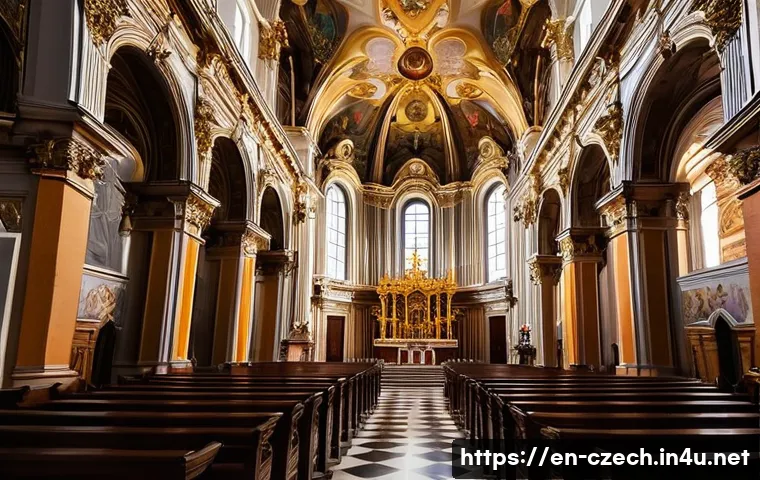
Baroque churches in Brno do more than showcase stunning artistry; they have historically been centers for community gatherings and cultural events. The elaborate altarpieces, frescoes, and sculptural details reflect a period of religious revival and artistic exuberance.
When I visited, I was captivated by the warmth and vibrancy inside these churches, which contrasted with the sometimes somber Gothic interiors. These spaces felt alive, not just with worship but with music, festivals, and communal life that continue to thrive today.
Jewish Heritage and Historical Remembrance
Brno’s Jewish quarter, though smaller than some European counterparts, holds profound significance. The synagogues and cemeteries here speak to a once-thriving community that contributed richly to the city’s cultural mosaic.
Visiting these sites was a deeply moving experience for me, highlighting the resilience and tragedies faced by the Jewish population. The preservation efforts and museums dedicated to this heritage ensure that these stories are neither forgotten nor overlooked, offering a sobering yet essential perspective on Brno’s diverse history.
The Role of Public Squares in Brno’s Social and Political Life
The Evolution of Freedom Square
Freedom Square has been the heart of Brno’s public life for centuries. What I appreciated most is how this space has evolved from a medieval marketplace into a vibrant urban hub where locals gather, protest, celebrate, and relax.
The square’s architecture and monuments reflect the city’s political milestones, from imperial times to modern democratic movements. Sitting at a café here, I could feel the pulse of the city—alive with conversations, street performances, and the hum of daily life that blends past and present.
Market Traditions and Their Modern Revival
Markets in Brno’s squares have historically been vital for commerce and social interaction. Even today, weekend markets revive this tradition, offering fresh produce, crafts, and local delicacies.
I found this blend of old and new particularly charming, as it connects contemporary city life with centuries-old customs. Engaging with local vendors and tasting regional specialties added an authentic layer to my visit, making the history tangible through flavors and stories.
Political Demonstrations and Civic Memory
The public squares of Brno have witnessed countless demonstrations and political gatherings that shaped the city’s trajectory. From peaceful protests during the Velvet Revolution to contemporary civic events, these spaces serve as platforms for public expression and solidarity.
Experiencing a gathering firsthand, I realized how deeply ingrained these traditions are in Brno’s civic identity, reinforcing the importance of open dialogue and community engagement.
Hidden Corners: Brno’s Lesser-Known Historical Gems
The Secret Underground Labyrinths
One of Brno’s most intriguing historical features lies beneath the surface in its underground labyrinths. These tunnels and cellars were used for various purposes, including storage, refuge, and even secret meetings.
Exploring these hidden passages felt like stepping back in time, offering a rare glimpse into the city’s practical and strategic ingenuity. I was amazed at how these subterranean networks connect different parts of the old city and how well-preserved they remain despite centuries of change above ground.
Forgotten Chapels and Small Museums
Beyond the grand landmarks, Brno is dotted with small chapels and niche museums that preserve unique stories and artifacts. Visiting these spots felt like uncovering secret chapters of the city’s history that many tourists overlook.
Each location offers a personal touch, whether it’s through intimate exhibitions, local anecdotes, or tranquil atmospheres that invite reflection. These hidden gems enrich the overall historical tapestry, proving that every corner of Brno holds a narrative worth discovering.
Industrial Heritage Sites
Brno’s industrial past is another fascinating layer of its historical identity. Old factories and workshops have been repurposed into cultural venues, blending the city’s industrial roots with contemporary creativity.
Walking through these areas, I sensed a gritty charm and a testament to Brno’s adaptability and innovation. These sites tell stories of economic shifts, technological advances, and social changes that have shaped the modern urban landscape.
The Artistic Legacy Embedded in Brno’s Monuments
Sculptural Narratives in Public Spaces
Brno’s public monuments are more than decorative pieces; they narrate the city’s cultural, political, and social history. Each statue and relief embodies a story or figure significant to Brno’s identity.
As I wandered through parks and squares, these sculptures sparked curiosity and reflection, connecting me emotionally to the city’s past. Their craftsmanship and symbolism reveal the artists’ intentions to immortalize moments of pride, struggle, and hope.
Architectural Details as Art Forms
The minute details carved into Brno’s buildings serve as artistic expressions that enrich the city’s visual appeal. From intricate doorways to decorative cornices, these elements tell stories of the artisans’ skills and the cultural influences that shaped the cityscape.
I found myself pausing often, marveling at the delicate work that often goes unnoticed but adds depth and character to the urban environment.
Contemporary Art Interactions with History
Brno also embraces contemporary art that dialogues with its historical surroundings. Modern installations and exhibitions often reference the city’s heritage, creating a dynamic interplay between old and new.
Experiencing these works gave me a fresh perspective on how history can inspire innovation and how art serves as a bridge connecting generations.
Summary Table of Brno’s Historical Highlights
| Category | Key Sites | Historical Significance | Visitor Experience |
|---|---|---|---|
| Medieval Fortifications | Castle Špilberk, City Walls | Defense, Governance, Social Hub | Immersive tours, panoramic views, historical reenactments |
| Baroque Architecture | St. Thomas Church, Minorite Monastery | Religious revival, artistic expression | Ornate interiors, guided art history walks |
| Gothic Cathedrals | Cathedral of St. Peter and Paul | Spiritual center, architectural landmark | Stained glass viewing, bell tower climbs |
| Public Squares | Freedom Square, Vegetable Market | Political gatherings, commerce, social life | Cafés, markets, cultural events |
| Underground Labyrinths | Brno Ossuary, Cellars under Old Town | Storage, refuge, secret pathways | Guided underground tours, historical storytelling |
| Industrial Heritage | Old Textile Factories, Functionalist Buildings | Economic history, technological progress | Converted cultural spaces, exhibitions |
In Conclusion
Brno’s rich architectural and cultural heritage offers a captivating journey through time, blending medieval strength with Baroque elegance and modern innovation. Exploring its sacred spaces, vibrant squares, and hidden corners reveals a city alive with history and creativity. Whether wandering through ancient fortifications or engaging with contemporary art, visitors can feel Brno’s unique spirit and enduring charm.
Useful Information to Keep in Mind
1. Many of Brno’s historical sites offer guided tours that provide deeper insights and engaging stories, so booking in advance is highly recommended.
2. Weekends are perfect for visiting the markets in Freedom Square to experience local food, crafts, and lively atmosphere firsthand.
3. Wear comfortable shoes when exploring the underground labyrinths and old city streets, as some areas involve uneven surfaces and stairs.
4. Check the opening hours of religious sites and museums, as they may vary seasonally or during holidays.
5. For a richer experience, consider joining cultural events or festivals that often take place in Brno’s public squares throughout the year.
Key Takeaways
Brno’s historical and architectural landscape is a layered tapestry reflecting centuries of cultural evolution. The city’s medieval fortresses, Baroque churches, and modernist buildings together narrate a story of resilience and artistic growth. Public squares serve as vibrant hubs of social and political life, while lesser-known sites like underground tunnels and industrial heritage venues add depth to the visitor’s experience. Embracing both tradition and innovation, Brno invites exploration that goes beyond surface sightseeing into meaningful cultural immersion.
Frequently Asked Questions (FAQ) 📖
Q: What are the must-visit historical landmarks in Brno for first-time visitors?
A: For anyone new to Brno, the top historical spots you shouldn’t miss include Špilberk Castle, which dates back to the 13th century and offers panoramic views of the city, and the Cathedral of St.
Peter and Paul, renowned for its striking Gothic architecture. Another gem is the Old Town Hall with its unique crooked tower and fascinating legends.
These sites together paint a vivid picture of Brno’s medieval past and cultural evolution, making them perfect starting points to soak in the city’s history.
Q: How much time should I allocate to explore Brno’s historical sites properly?
A: From my experience, dedicating at least a full day—or better yet, two days—lets you explore these landmarks without rushing. Špilberk Castle alone can take a couple of hours, especially if you dive into the museum exhibits.
The cathedral and Old Town Hall are relatively close, so you can comfortably visit both in a half-day. If you enjoy wandering through the cobblestone streets and discovering smaller, lesser-known historical spots, adding extra time will enhance your experience significantly.
Q: Are there guided tours available that focus on Brno’s history, and are they worth it?
A: Absolutely, guided tours centered on Brno’s historical landmarks are widely available and highly recommended. I joined a walking tour that brought the city’s stories to life with fascinating anecdotes and insider knowledge you won’t find in guidebooks.
These tours often include access to restricted areas and local tips on hidden gems. If you’re keen on deepening your understanding and enjoying a more engaging visit, investing in a guided tour is definitely worth it.