The cultural exchange between the Czech Republic and France is a fascinating blend of history, art, and modern creativity. Both countries have rich traditions that continue to influence each other through music, literature, and culinary arts.
Over the years, collaborations in theater and film have also strengthened their cultural ties, showcasing unique perspectives and shared values. Exploring these connections reveals how two distinct cultures can inspire and enrich one another in unexpected ways.
Let’s dive deeper and uncover the vibrant story behind this dynamic relationship!
Artistic Dialogues: How Creativity Bridges Borders
Cross-Pollination in Visual Arts
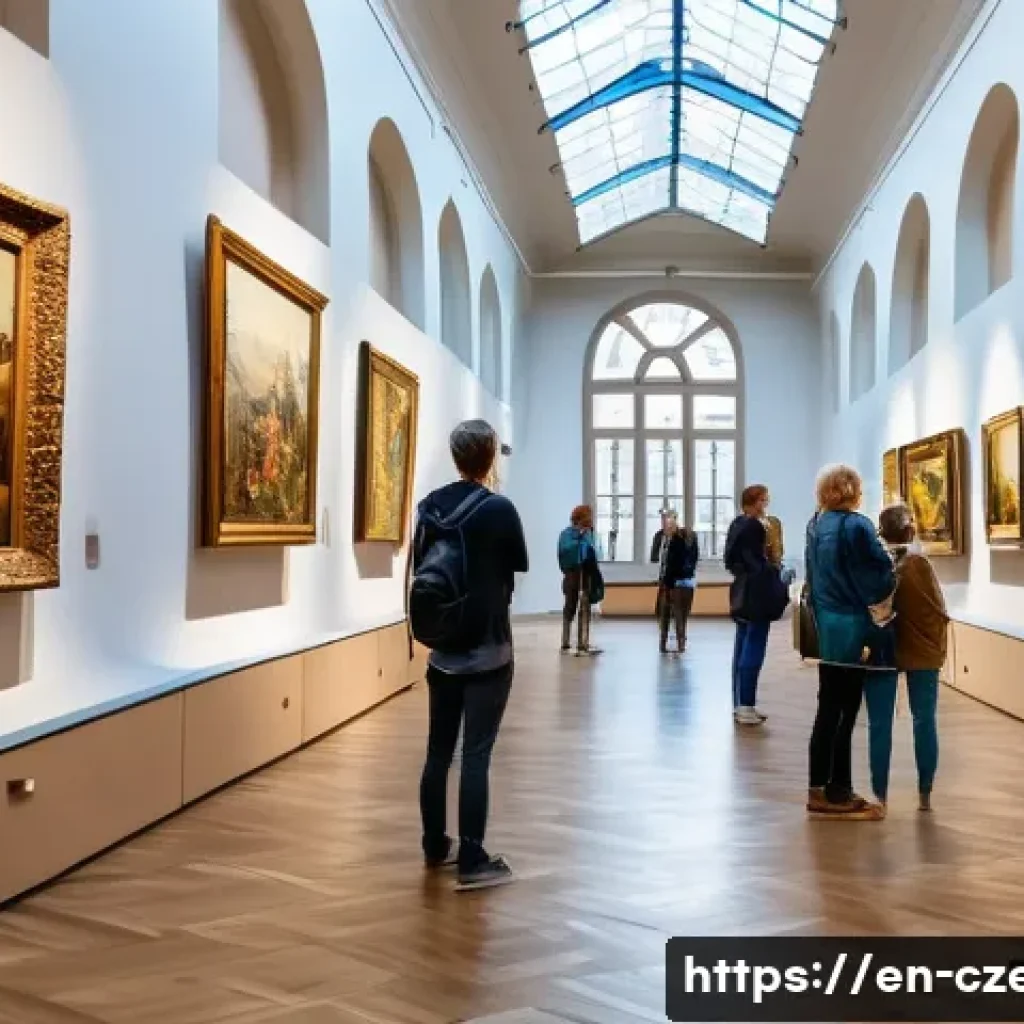
The visual arts scene between these two nations has been nothing short of inspiring. Czech artists often draw from the bold impressionism and surrealism that have roots in French art history, while French painters and sculptors appreciate the intricate, often mystical, elements found in Czech folklore and symbolism.
I’ve noticed that galleries in Prague frequently feature French artists, and Parisian exhibitions spotlight Czech talents, creating a two-way street of inspiration.
This exchange nurtures fresh styles that blend the best of both worlds, making the art more vibrant and accessible to a wider audience. The fusion of these artistic traditions is a testament to how cultural exchange enriches creativity beyond borders.
Theater as a Medium of Cultural Storytelling
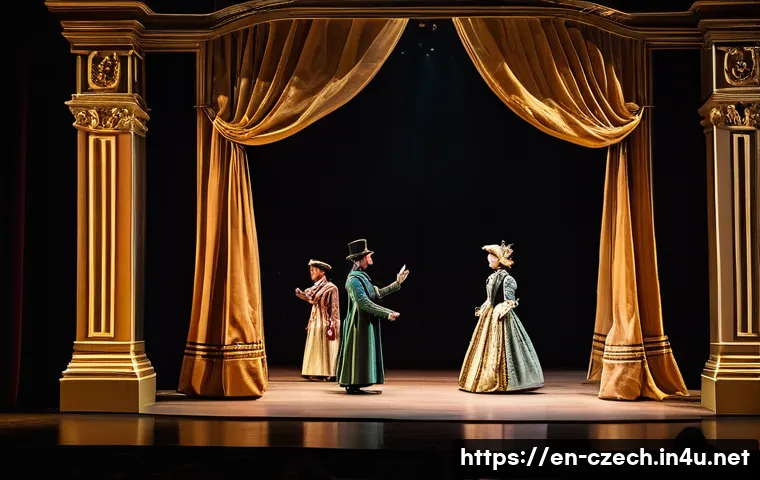
Theater collaborations between Czech and French troupes have brought forward a unique blend of storytelling techniques. The Czech Republic’s rich tradition of puppet theater and experimental stagecraft meets the French flair for dramatic expression and classical narratives.
I’ve had the chance to attend a co-produced play where these elements intertwined seamlessly, creating an emotionally charged yet playful performance that captivated the audience.
These joint ventures not only preserve each culture’s theatrical heritage but also push the boundaries of performance art, introducing innovative formats and themes that resonate internationally.
Film Partnerships Illuminating Shared Themes
Cinema has also been a powerful platform for cultural exchange. Filmmakers from both countries often explore similar humanistic themes such as identity, freedom, and social change but through their distinct cultural lenses.
Watching a Czech-French co-production, I was struck by how the storytelling balanced subtle Czech humor with French cinematic sophistication, resulting in a film that felt both familiar and refreshingly new.
Festivals in both countries regularly showcase these joint projects, offering a window into the evolving dialogue between their film industries and audiences.
The Melodies of Connection: Music Uniting Two Nations
Classical Traditions with a Modern Twist
Both the Czech Republic and France boast long-standing classical music traditions, with composers like Dvořák and Debussy shaping the global music landscape.
What fascinates me is how contemporary musicians from these countries reinterpret classical motifs, blending them with modern genres such as jazz and electronic music.
Concert halls in Prague and Paris often host joint performances where orchestras and soloists collaborate, creating rich soundscapes that pay homage to their musical roots while pushing creative boundaries.
Festivals Celebrating Shared Sounds
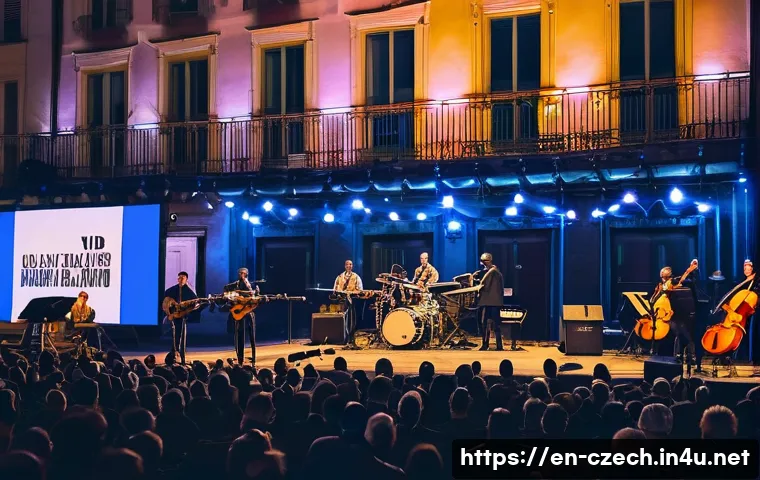
Music festivals serve as vibrant cultural crossroads. For instance, Prague’s international music festivals often feature French artists, and French festivals highlight Czech ensembles.
These events foster a sense of community and shared passion, drawing music lovers from around the world. I remember attending one such festival where a Czech jazz band and a French electronic duo performed back-to-back, their styles merging in unexpected harmony.
These festivals not only entertain but also deepen mutual appreciation between the countries’ music scenes.
Folk Music as a Living Tradition
Folk music remains a vital part of cultural identity in both countries. Czech folk melodies, with their haunting, lyrical qualities, find echoes in French regional songs, especially from Brittany and Provence.
Musicians from both nations occasionally collaborate to blend these traditional sounds, creating performances that celebrate cultural roots while appealing to contemporary audiences.
Experiencing such a live performance feels like witnessing history in motion, a reminder that music is a living, evolving form of connection.
Culinary Conversations: Tastes That Transcend Borders
From Classic Dishes to Contemporary Fusion
The culinary dialogue between France and the Czech Republic is a delicious story of tradition meeting innovation. French cuisine’s emphasis on fresh ingredients and refined techniques complements Czech hearty, comfort-food staples like dumplings and goulash.
I’ve personally enjoyed meals where a French chef reimagined Czech classics with delicate sauces and presentation, elevating the dish without losing its soul.
This kind of culinary fusion appeals to food lovers eager to explore new flavors while honoring heritage.
Wine and Beer: Celebrating Beverage Culture
While France is world-renowned for its wine, the Czech Republic prides itself on its beer culture. Interestingly, these beverages have become points of cultural exchange.
French vineyards and Czech breweries sometimes collaborate on special editions or tastings that introduce enthusiasts to the other’s traditions. I recall attending a tasting event where sommeliers paired French wines with Czech dishes and brewers matched Czech lagers with French cheeses, creating a sensory journey that celebrated both countries’ beverage craftsmanship.
Food Festivals as Cultural Showcases
Food festivals in both countries offer an immersive experience in this culinary exchange. Events like Prague’s gourmet fairs often feature French pastry chefs, while French markets sometimes include Czech sausages and pastries.
These festivals provide a space for chefs, producers, and food lovers to connect, share recipes, and discover new favorites. It’s always exciting to see how these festivals draw crowds hungry not just for food but for cultural stories behind each bite.
Literary Bridges: Words Crossing Languages
Translation as Cultural Transmission
One of the most profound ways these cultures connect is through literature. Translators play a crucial role, bringing Czech literary masterpieces to French readers and vice versa.
I find it fascinating how translators navigate the nuances of language, humor, and cultural references to preserve the essence of the original text. This process opens up new worlds for readers, allowing them to experience the thoughts and emotions of authors from a different cultural background while maintaining authenticity.
Joint Literary Events and Exchanges
Literary festivals and author exchanges between France and the Czech Republic foster direct dialogue between writers and readers. These events often feature readings, panel discussions, and workshops that explore themes relevant to both cultures.
I attended a festival where a Czech novelist and a French poet discussed their inspirations and challenges, highlighting how their distinct cultural environments shape their storytelling.
Such interactions not only enhance mutual understanding but also inspire new creative directions.
Shared Themes and Inspirations
Both Czech and French literature often explore themes of existentialism, freedom, and social critique, albeit with different stylistic approaches. Writers from both countries have influenced each other over decades, weaving a rich tapestry of ideas and narratives.
For readers and scholars alike, this cross-cultural literary dialogue provides a fascinating lens through which to understand broader European cultural and historical currents.
Theater and Cinema: Performing Shared Stories
Co-Productions and Cultural Narratives
Co-productions in theater and film are at the heart of the cultural exchange, providing a platform to tell stories that resonate on both sides. These projects often combine Czech experimental theater techniques with French narrative depth, resulting in compelling performances that challenge and entertain.
I’ve experienced plays where the synergy of both traditions was palpable, creating a fresh theatrical language that transcends national borders.
Film Festivals as Meeting Grounds
Film festivals in Prague and Paris frequently showcase co-produced works, attracting cinephiles who appreciate the blend of cinematic styles. These festivals not only celebrate artistic achievement but also serve as networking hubs for filmmakers and producers eager to collaborate.
The diversity of stories told through these films enriches the cultural landscape and deepens audience engagement with both countries’ social and historical realities.
Innovations in Performing Arts
The collaboration extends beyond traditional theater and film into multimedia performances that integrate dance, digital art, and interactive elements.
These experimental projects often emerge from joint residencies and artistic workshops supported by cultural institutions. I find these innovations particularly exciting because they push artistic boundaries and invite audiences to experience culture in new, immersive ways.
Educational Pathways: Building Cultural Ambassadors
Student and Artist Exchanges
Academic programs and artist residencies play a vital role in fostering cultural understanding. Students from the Czech Republic often study in French art and language schools, while French students explore Czech history and culture through exchange programs.
I’ve met several young creatives whose perspectives were profoundly shaped by these experiences, enabling them to act as cultural ambassadors who bridge gaps and build lasting connections.
Language Learning as a Cultural Gateway
Language courses in both countries emphasize not only linguistic skills but also cultural context, which is essential for meaningful communication. French language learning is popular in Czech schools, and Czech language courses are gaining traction in France among enthusiasts of Central European culture.
Mastering the language allows individuals to dive deeper into literature, film, and everyday life, enriching their cultural experience beyond surface-level engagement.
Collaborative Research and Scholarship
Universities and research institutions frequently collaborate on projects exploring historical, artistic, and social ties between the two countries. These scholarly exchanges generate new insights and resources that benefit educators, students, and cultural practitioners alike.
I’ve come across fascinating studies that illuminate forgotten connections or reinterpret shared cultural phenomena, contributing to a richer, more nuanced understanding of both nations.
Summary of Key Cultural Exchange Elements
| Aspect | Primary Focus | Examples | Impact |
|---|---|---|---|
| Visual Arts | Exhibitions, stylistic fusion | Gallery exchanges, surrealism influences | Innovative art styles, cross-cultural inspiration |
| Theater | Puppet theater, dramatic collaborations | Co-produced plays, experimental formats | Preservation and innovation in performance |
| Music | Classical, folk, jazz, electronic fusion | Joint concerts, festivals | Expanded audience reach, new genres |
| Culinary Arts | Traditional and fusion cuisine | Food festivals, tasting events | Cultural appreciation through taste |
| Literature | Translation, festivals, shared themes | Author exchanges, literary panels | Broadened literary horizons |
| Film | Co-productions, festivals | Joint films, cinematic collaborations | Enhanced storytelling, cross-border narratives |
| Education | Student exchanges, language learning | Academic programs, residencies | Cultural ambassadors, deeper understanding |
Modern Creative Collaborations: Where Tradition Meets Innovation
Digital Arts and New Media
The rise of digital platforms has opened exciting avenues for Czech and French artists to collaborate virtually. Digital art exhibitions, virtual reality theater, and online film projects allow creators from both countries to work together without geographical constraints.
From my observations, these collaborations often blend traditional motifs with cutting-edge technology, offering audiences immersive experiences that are both culturally rich and technologically advanced.
Startups and Creative Industries
Both countries have thriving creative industries that increasingly intersect through startups focused on design, gaming, and multimedia content. French and Czech entrepreneurs often partner to develop projects that reflect their shared cultural narratives while appealing to global markets.
I’ve seen firsthand how these ventures not only drive economic growth but also act as modern cultural ambassadors, showcasing innovative storytelling rooted in heritage.
Community Art Projects and Public Engagement
Grassroots initiatives and community art projects have become vital in sustaining cultural exchange at a local level. Collaborative murals, workshops, and cultural festivals engage everyday people, fostering a sense of shared identity and mutual respect.
These projects often tell stories that resonate on a personal level, making culture accessible and relevant beyond formal institutions. Participating in one such mural project, I witnessed how art can unite diverse communities in celebration of their intertwined histories.
The Role of Institutions in Sustaining Cultural Ties
Government and Cultural Agencies
Government bodies and cultural agencies in both countries actively support exchange programs, grants, and joint cultural initiatives. Their commitment ensures that these collaborations are sustained and expanded, providing necessary funding and organizational support.
I’ve come to appreciate how this institutional backing creates a stable foundation for artists and cultural professionals to experiment and share their work internationally.
Cultural Centers and Embassies
French cultural centers in the Czech Republic and Czech cultural institutes in France serve as hubs for events, language courses, and exhibitions. These centers act as bridges, offering resources and platforms that connect local communities with the broader cultural dialogue.
Attending events at these venues often feels like stepping into a vibrant meeting place where ideas, traditions, and innovations flow freely.
Academic and Artistic Networks
Networks of artists, scholars, and institutions facilitate continuous exchange and collaboration. Conferences, symposiums, and joint publications help maintain dialogue and generate new projects.
Being part of these networks personally has enriched my understanding of how deeply interconnected these cultures are, and how much potential remains for future creative endeavors.
Language and Identity: The Heart of Cultural Exchange
The Importance of Multilingualism
Language is more than a communication tool; it’s a vessel of culture and identity. The mutual interest in learning Czech and French reflects a deeper desire to connect authentically.
I’ve witnessed how mastering the other’s language often leads to more profound cultural insights and relationships, breaking down barriers that might otherwise limit understanding.
Preserving Linguistic Heritage
Both countries are proud of their linguistic heritage, which is carefully preserved even as they embrace globalization. Efforts to teach and promote native languages alongside foreign languages highlight a balance between honoring tradition and engaging with the world.
This linguistic pride enhances the cultural exchange by ensuring that the nuances of each culture are respected and celebrated.
Language as a Creative Tool
Writers, musicians, and performers often experiment with language itself, mixing Czech and French expressions or exploring translation in their work. This playful and thoughtful use of language reflects the dynamic nature of cultural exchange, where identity and creativity continuously evolve through interaction.
Observing these linguistic experiments adds another layer of appreciation for the depth and vitality of the cultural relationship.
글을 마치며
The creative dialogue between the Czech Republic and France beautifully illustrates how art, music, literature, and more can transcend borders and foster mutual understanding. These collaborations enrich both cultures, blending tradition with innovation in ways that inspire and connect diverse audiences. Experiencing this vibrant exchange firsthand reveals the profound power of creativity to build lasting bridges across nations.
알아두면 쓸모 있는 정보
1. Cross-cultural collaborations often blend traditional techniques with modern innovation, creating unique and engaging artistic expressions.
2. Language learning plays a crucial role in deepening cultural appreciation and facilitating authentic exchanges between communities.
3. Festivals and joint events serve as important platforms for showcasing shared heritage and fostering new creative partnerships.
4. Government and cultural institutions provide essential support that sustains and expands international artistic collaborations.
5. Digital media and startups are emerging as dynamic spaces where heritage meets technology, opening fresh opportunities for cultural storytelling.
중요 사항 정리
Cultural exchange between the Czech Republic and France thrives through diverse forms such as visual arts, theater, music, literature, and culinary arts, all enriched by active institutional support and community engagement. Language acts as both a bridge and a creative tool, enhancing understanding and identity. The ongoing fusion of tradition and modernity—whether through festivals, co-productions, or digital innovation—ensures that these collaborations remain vibrant, relevant, and impactful in today’s global cultural landscape.
Frequently Asked Questions (FAQ) 📖
Q: How have Czech and French musical traditions influenced each other over time?
A: Czech and French musical traditions have intertwined in fascinating ways, with composers and musicians from both countries drawing inspiration across borders.
For instance, Czech classical composers like Dvořák found audiences and collaborators in France, while French impressionist music influenced Czech artists exploring new soundscapes.
Today, music festivals and cultural events often feature joint performances, blending traditional folk elements with contemporary styles, creating a rich exchange that honors both histories while pushing creative boundaries.
Q: What role do theater and film collaborations play in strengthening cultural ties between the Czech Republic and France?
A: Theater and film collaborations serve as vibrant platforms for cultural dialogue, allowing artists to share stories that reflect their unique perspectives and shared human experiences.
French directors have worked with Czech actors and playwrights, leading to productions that fuse French theatrical innovation with Czech storytelling traditions.
Similarly, co-produced films often highlight themes relevant to both societies, fostering mutual understanding and appreciation. From my experience attending such cross-cultural performances, these collaborations create a dynamic space where creativity thrives and cultural bridges are built.
Q: In what ways has culinary exchange shaped the cultural relationship between the Czech Republic and France?
A: Culinary exchange between the Czech Republic and France has enriched both cuisines by introducing new ingredients, techniques, and dining philosophies.
French culinary artistry, known for its finesse and innovation, has influenced Czech chefs to experiment with presentation and flavor combinations. Conversely, French diners have embraced Czech comfort foods and hearty recipes, often showcased during cultural festivals or themed restaurants.
Personally, I’ve noticed that these exchanges go beyond food—they open doors to conversations about tradition, identity, and hospitality, deepening the cultural bond in deliciously tangible ways.