Okay, fellow bookworms and curious minds, gather ’round! You know that feeling when you discover a whole new literary world that just captivates your soul?
That’s precisely what happened to me when I ventured into the vibrant landscape of contemporary Czech literature. Trust me, it’s far beyond the usual suspects like Kafka and Kundera; today’s Czech authors are absolute masters at fearlessly unraveling the echoes of their rich, often complex history, while also boldly navigating the wild, unpredictable currents of modern identity and societal challenges.
Their narratives often blend profound philosophical depth with a distinctive, sometimes darkly humorous, perspective that is truly unforgettable. I’ve personally found their stories incredibly resonant, powerfully capturing the pulse of an ever-evolving world and sparking those vital conversations we all need to have about our shared human experience.
If you’re eager to discover fresh perspectives that will challenge your thinking, stir your emotions, and genuinely entertain, you absolutely need to explore this truly dynamic literary scene.
Let’s dive deeper and uncover these extraordinary voices together!
Unmasking the Past: Echoes of History in Every Page

You know, one of the things that absolutely captivates me about contemporary Czech literature is how fearlessly authors delve into the intricate tapestry of their nation’s past. It’s not just about recounting historical events, but rather exploring the deeply personal and often lingering effects these moments have had on individuals and generations. I’ve found myself completely absorbed by narratives that dissect the communist era, the subtle shifts of post-Velvet Revolution society, and even the shadows of World War II, but always through a lens that feels incredibly intimate and human. These aren’t dry history lessons; they’re vibrant, emotionally charged explorations of how history shapes the present. Authors masterfully weave in fragments of memory, generational trauma, and the quiet resilience of ordinary people, making these complex historical periods feel immediately relevant and profoundly relatable. It’s like they’re saying, “Look, this is where we’ve been, and this is how it still pulses within us today.” Their ability to articulate these profound connections, often with a raw honesty that can be both heartbreaking and hopeful, is truly something special. When I pick up a Czech novel, I brace myself for a journey that won’t shy away from the difficult truths, but will also illuminate the incredible strength of the human spirit in the face of immense change and upheaval. It’s an experience that genuinely sticks with you, long after you’ve turned the final page, prompting a deeper understanding not just of Czech history, but of the universal human condition itself.
The Lingering Shadows of Communism
It’s fascinating to observe how many contemporary Czech writers are still grappling with the legacy of communism, not as a distant historical event, but as a deeply embedded psychological and societal phenomenon. I’ve read novels where characters subtly navigate the unspoken rules and lingering fears from that era, even decades after its official end. It’s never overtly political in a heavy-handed way; instead, it’s about the everyday nuances, the quiet anxieties, the ways in which personal relationships were twisted, or how individual ambitions were stifled. You can almost feel the weight of those years in the subtext of their stories, in the cautious optimism, or the ingrained skepticism of the characters. This isn’t just academic; it’s a visceral exploration of how a system can impact the very soul of a people. I personally find this exploration incredibly compelling because it humanizes history, showing how grand political narratives trickle down into the minutiae of individual lives, shaping everything from family dynamics to career choices. It’s a reminder that freedom, once regained, often comes with its own complex set of challenges and an ongoing process of healing and re-evaluation. These stories don’t offer easy answers, but they certainly provoke a lot of thought about what it truly means to live through and beyond such a transformative period.
Velvet Revolution’s Unforeseen Echoes
While the Velvet Revolution is rightfully celebrated as a triumph of peaceful transition, I’ve noticed a recurring theme in modern Czech literature that explores the less glamorous, often messy, aftermath. It’s not about undermining the importance of the revolution, but rather about examining the complex realities of building a new society from the ground up. Authors brilliantly portray the disillusionment that sometimes followed, the clash between old ideals and new capitalist realities, and the search for identity in a rapidly changing world. I’ve read stories about people struggling to adapt, about the sudden influx of Western culture, and the challenge of navigating newfound freedoms that often came with economic uncertainties. It’s a nuanced portrayal that goes beyond simple narratives of good versus evil, instead focusing on the human cost and the moral ambiguities of a society in flux. From my perspective, these stories offer a crucial counter-narrative, reminding us that societal change is rarely linear or perfectly resolved. They highlight the ongoing process of defining what it means to be Czech in the 21st century, often through the eyes of characters who are just trying to find their footing in a world that feels both liberating and disorienting. It’s an honest look at the complexities of progress, a theme I believe resonates far beyond the borders of the Czech Republic.
Beyond the City Limits: Diverse Voices and Uncharted Settings
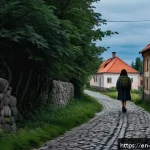
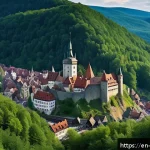
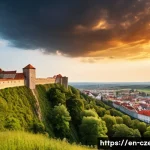
For a long time, when people thought of Czech literature, their minds often jumped straight to Prague. And while Prague is undeniably a magical city with a rich literary history, I’ve been absolutely thrilled to discover that contemporary Czech authors are venturing far beyond its cobblestone streets and iconic bridges. They are fearlessly exploring the smaller towns, the rural landscapes, and the often-overlooked corners of the country, bringing to life a much broader and more diverse tapestry of Czech experience. It’s like they’re saying, “Hey, there’s a whole world out here, and it deserves to have its stories told!” From the industrial grit of Ostrava to the quiet beauty of South Bohemian villages, these writers are illuminating lives and perspectives that are just as vital and compelling as those set in the capital. This shift not only enriches the literary landscape but also offers readers a more complete and nuanced understanding of the Czech Republic as a whole. I personally find it incredibly refreshing to read about characters whose lives are shaped by different environments, different customs, and different local histories. It adds a whole new layer of authenticity and depth, reminding us that a nation’s identity is forged in myriad places, not just its most famous landmarks. It truly feels like the literary map of the Czech Republic is expanding, revealing hidden gems and untold stories that are just waiting to be discovered by eager readers like us.
Voices from the Bohemian Countryside
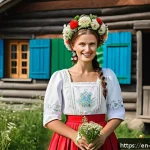
There’s a certain magic to stories set in the Bohemian countryside, and contemporary Czech authors are tapping into it beautifully. I’ve found myself transported to idyllic villages, where ancient traditions clash with modern aspirations, and the pace of life feels utterly distinct from the urban hustle. These narratives often explore themes of community, the wisdom of the land, and the sometimes-stifling nature of small-town life, but always with a delicate touch and profound insight. It’s never a caricature; instead, authors portray these communities with respect, revealing their hidden complexities and the intricate relationships that bind their inhabitants. I’m always struck by how deeply connected these stories are to the rhythms of nature and the changing seasons, lending them a timeless quality that feels both specific to the region and universally resonant. My personal experience reading these works has been one of quiet contemplation, a chance to slow down and appreciate the intricate beauty of lives lived far from the spotlight. They often bring a grounded, earthy perspective that beautifully complements the more intellectual or metropolitan narratives, creating a truly holistic view of the Czech experience. It’s a wonderful reminder that compelling stories can emerge from anywhere, even the most unassuming corners of the world, if only we take the time to listen.
Urban Realities Beyond Prague
While Prague rightly receives a lot of literary attention, I’ve been incredibly drawn to contemporary Czech literature that showcases other urban centers, each with its own unique character and challenges. Cities like Brno, Ostrava, or Plzeň aren’t just backdrops; they become active participants in the stories, shaping the identities and experiences of the characters. I’ve read gritty, poignant tales set in industrial towns, exploring themes of post-industrial decline, social change, and the search for meaning in places often overlooked by tourists. There’s a raw honesty in these narratives, an unflinching gaze at the realities of working-class lives, economic shifts, and the complexities of local politics. It’s a fascinating contrast to the romanticized image of Prague, offering a more grounded and, dare I say, sometimes more challenging perspective on modern Czech life. Personally, I find these stories incredibly vital because they broaden our understanding of a country that is far more diverse than often perceived. They shine a light on the struggles and triumphs of people living in different urban environments, highlighting the fact that “the Czech experience” is not monolithic. It’s a powerful testament to the skill of these authors that they can imbue these distinct urban landscapes with such vivid life and compelling narratives, making me feel like I’ve truly walked those streets and understood the pulse of those cities.
| Author | Key Themes & Style | Why You Might Love Them |
|---|---|---|
| Kateřina Tučková | Historical fiction, female perspectives, suppressed stories, vivid detail. | Her meticulously researched novels bring forgotten historical events and figures to life with gripping narratives and profound emotional depth. |
| Jáchym Topol | Post-communist society, raw honesty, unconventional structures, dark humor. | For readers who enjoy experimental fiction that confronts societal changes with a poetic, often brutal, realism and a distinct voice. |
| Petra Hůlová | Feminist perspectives, identity, societal critique, bold narrative voices. | Her books are provocative and intellectually stimulating, offering sharp insights into contemporary issues through unforgettable female protagonists. |
| Marek Šindelka | Modern alienation, technology’s impact, environmental themes, psychological depth. | If you appreciate contemporary fiction that explores the anxieties of the 21st century with stylistic innovation and a keen eye for human nature. |
| Bianca Bellová | Dystopian elements, societal decay, personal struggle, powerful allegories. | Offers a unique blend of speculative fiction and social commentary, often with a raw, unforgettable emotional core. |
The Wry Smile: Dark Humor and Existential Irony
Oh, this is where contemporary Czech literature truly shines for me – its utterly distinctive brand of humor. It’s not your laugh-out-loud, slapstick kind of funny, though there are certainly moments of pure comedic genius. Instead, it’s a deeply woven, often dark, and profoundly existential irony that permeates their storytelling. You know that feeling when you’re laughing, but there’s a little pang of melancholy or a sharp recognition of life’s absurdities just beneath the surface? That’s the Czech wit in a nutshell. Authors have a masterful way of using humor to confront tragedy, to deflate pomposity, and to comment on the often-irrational nature of human existence. It’s a survival mechanism, a way of coping with difficult histories and uncertain futures, and I’ve found it incredibly compelling. My personal experience with this kind of humor is that it feels incredibly intelligent and deeply human. It allows for a certain detachment, a critical distance from life’s harsher realities, while simultaneously acknowledging them in the most profound way. It’s never dismissive; it’s always insightful. This dry, often self-deprecating humor often carries a philosophical punch, making you think even as you chuckle. It’s a testament to the resilience and unique perspective of Czech culture, and it’s something I’ve come to absolutely adore in their books. If you appreciate wit that makes you ponder as much as it makes you smile, then you’re in for a real treat.
Humor as a Shield Against Absurdity
It often feels to me that Czech authors wield humor as a powerful shield against the inherent absurdities of life, particularly when dealing with complex social or historical situations. I’ve noticed how they can take the most grim or bureaucratic scenarios and infuse them with such a keen sense of the ridiculous that it somehow becomes bearable, even insightful. This isn’t about trivializing suffering; it’s about revealing the inherent illogicality and sometimes pure madness of human systems and behaviors. From the mundane frustrations of daily life under communism to the often-baffling processes of modern bureaucracy, their characters frequently encounter situations that are beyond their control, and their responses, often laced with a quiet, knowing smirk, are what make these stories so utterly captivating. I personally find this approach incredibly intelligent because it acknowledges the difficulty of a situation while refusing to be entirely overcome by it. It’s a form of subversive defiance, a way of maintaining one’s humanity and perspective even when faced with overwhelming forces. This kind of humor doesn’t offer solutions, but it certainly offers a powerful lens through which to examine and understand the enduring human spirit in the face of what often feels like an incomprehensible world. It’s a genuine masterclass in making light of darkness without ever diminishing its gravity.
The Art of Subtlety and Irony
What truly sets Czech humor apart in literature, in my humble opinion, is its profound subtlety and layered irony. It’s rarely overt; instead, it’s woven into the fabric of the narrative, in a character’s understated observation, a carefully chosen turn of phrase, or the juxtaposition of disparate elements. You often have to lean in a little, to truly pay attention to the nuances, to fully appreciate the depth of the wit. I’ve found myself rereading sentences just to savor the cleverness, the way an author can convey so much with so little, often through a perfectly placed ironic twist. It’s not about grand pronouncements; it’s about the quiet, knowing nod that passes between the author and the reader, a shared understanding of life’s inherent contradictions. This kind of irony often serves as a critical commentary on societal norms, political rhetoric, or human foibles, but it does so with a precision and elegance that is truly remarkable. My personal experience is that this subtlety makes the humor even more potent, allowing it to resonate on a deeper intellectual and emotional level. It’s the kind of humor that encourages engagement, inviting you to become an active participant in deciphering the layers of meaning, and in doing so, it creates a much more rewarding and memorable reading experience. It’s a brilliant example of how literature can entertain and enlighten simultaneously.
Navigating the Self: Personal Journeys in a Shifting Landscape
One of the most compelling aspects of contemporary Czech literature, for me, is its deep exploration of individual identity, particularly in the context of rapid societal change. Authors are brilliant at portraying characters who are wrestling with who they are, where they belong, and what meaning they can forge in a world that often feels disorienting. I’ve encountered countless protagonists who are searching for their footing in the aftermath of major political shifts, grappling with new economic realities, or simply trying to define themselves in an increasingly globalized world. These aren’t just abstract philosophical musings; they’re deeply personal, often emotionally raw narratives that make you feel like you’re walking alongside these characters, experiencing their doubts, their small triumphs, and their profound moments of self-discovery. The beauty of it is that while the specific cultural and historical backdrop is Czech, the underlying human experience of questioning, adapting, and striving for self-definition feels utterly universal. I personally find these stories incredibly resonant because they tap into a shared human desire for authenticity and connection in a world that can sometimes feel isolating. It’s a powerful reminder that while external circumstances may change dramatically, the internal journey of understanding oneself remains a constant, challenging, and ultimately rewarding endeavor. These authors don’t shy away from the complexities of this journey, and in doing so, they offer invaluable insights into the enduring human quest for meaning and belonging.
The Quest for Authentic Selfhood
It seems to me that many contemporary Czech authors are deeply preoccupied with the quest for authentic selfhood, especially in a society that has, at various points, imposed collective identities. I’ve read so many stories about characters who are trying to shed the layers of expectation, political ideology, or even family history to uncover their true selves. This often manifests as a struggle against conformity, a quiet rebellion against predefined roles, or a desperate search for individual purpose in a world that can feel indifferent. It’s not always a grand, heroic journey; sometimes it’s a subtle internal battle, a quiet act of defiance in the face of pressures to conform. I personally connect with these narratives because they speak to a universal human yearning to be seen and understood for who we truly are, beyond the masks we sometimes wear. Authors delve into the psychological nuances of this quest, exploring the fears, the vulnerabilities, and the moments of profound revelation that accompany it. It’s a testament to their skill that they can make these internal struggles feel so palpable and immediate, drawing you into the characters’ minds and hearts. These stories remind us that the journey to self-discovery is an ongoing one, filled with detours and unexpected insights, and that ultimately, finding one’s true voice is one of the most courageous acts imaginable.
Belonging in a Changing World
The theme of belonging, or the lack thereof, is another significant thread I’ve observed running through contemporary Czech literature. Characters often grapple with their place in a rapidly evolving society, sometimes feeling adrift between old traditions and new global influences. I’ve read stories about immigrants navigating new cultural landscapes, about younger generations feeling disconnected from their parents’ pasts, and about individuals who simply feel like outsiders in their own communities. These narratives are incredibly poignant because they capture the universal human need for connection and acceptance, while also highlighting the particular challenges of a society that has undergone profound transformations. It’s never a simple matter of belonging or not; instead, authors explore the complex shades of gray, the moments of tentative connection, and the persistent pangs of alienation. I personally find these stories deeply moving because they tap into a shared sense of human vulnerability, the longing for a place where one truly feels at home. They reveal how a sense of belonging can be found not just in physical places or national identities, but also in shared experiences, in chosen communities, and in the quiet understanding between individuals. These authors manage to articulate the subtle ways in which we search for our tribes, our anchors in a world that sometimes feels overwhelmingly vast and impersonal, offering a powerful reflection on what it means to truly connect with others.
Literature as a Mirror: Sparking Vital Conversations
What I absolutely cherish about contemporary Czech literature is its remarkable ability to act as a powerful mirror, reflecting back to us the complexities of society and sparking those vital, often uncomfortable, conversations we all need to have. These aren’t just stories for entertainment; they are profound engagements with pressing social issues, ethical dilemmas, and the subtle currents shaping our world. I’ve found myself thinking about these books long after I’ve finished them, their themes and characters lingering in my mind, prompting me to reflect on everything from environmental concerns to gender roles, from the ethics of technology to the resurgence of nationalism. Authors don’t shy away from controversy; in fact, they often lean into it, using their narratives to probe uncomfortable truths and challenge conventional thinking. It’s an intellectually stimulating experience that goes far beyond passive reading. Personally, I feel that this kind of literature is more important than ever in our increasingly fragmented world. It creates a space for empathy, encouraging us to consider different perspectives and to grapple with the multifaceted nature of human experience. When I pick up a contemporary Czech novel, I often feel like I’m engaging in a direct dialogue with the author and, by extension, with the broader societal consciousness they’re exploring. It’s a truly enriching experience that broadens my horizons and deepens my understanding of the world we inhabit. They’re not just telling stories; they’re inviting us into a larger, more meaningful discourse.
Addressing Contemporary Social Issues
I’ve been consistently impressed by how boldly contemporary Czech authors tackle the pressing social issues of our time. It’s like they have their finger firmly on the pulse of what’s happening, both locally and globally, and they use their fiction to dissect these challenges with incredible insight. Whether it’s the rising tide of populism, the complexities of migration, the ongoing fight for gender equality, or the anxieties surrounding climate change, these writers weave these topics seamlessly into their narratives, making them feel immediate and personal. They don’t preach; instead, they present multifaceted scenarios through the eyes of compelling characters, allowing readers to grapple with the ethical ambiguities and human impacts of these issues. I personally find this approach incredibly effective because it bypasses the often-divisive rhetoric of news cycles and instead focuses on the human stories at the heart of these challenges. It encourages empathy and understanding, making it harder to dismiss complex problems with simplistic solutions. These books serve as a powerful catalyst for discussion, prompting readers to reflect on their own biases, to question established norms, and to consider the profound implications of our collective actions. It’s a testament to the power of literature to not just reflect the world, but to actively engage with it and inspire meaningful thought and dialogue.
Challenging Ethical and Moral Dilemmas
What truly grips me in contemporary Czech literature is its unflinching willingness to plunge into complex ethical and moral dilemmas, forcing both characters and readers to confront uncomfortable truths. Authors often create situations where there are no easy answers, where choices are fraught with ambiguity, and where the line between right and wrong becomes beautifully, terrifyingly blurred. I’ve encountered narratives that explore the compromises people make to survive, the difficult decisions faced in times of crisis, or the moral quandaries posed by new technologies or societal pressures. These aren’t simplistic tales of good versus evil; they are nuanced examinations of the human condition, revealing the gray areas that define so much of our existence. Personally, I find these explorations incredibly thought-provoking because they challenge me to consider my own values and to grapple with hypothetical situations that push the boundaries of my ethical framework. It’s an intellectual exercise as much as an emotional one, as authors skillfully present dilemmas that resonate universally, regardless of the specific cultural context. By refusing to offer easy resolutions, these books encourage a deeper, more personal engagement with the material, fostering a space for critical self-reflection and a more nuanced understanding of the moral complexities that permeate our lives. It’s a powerful form of storytelling that stays with you, long after you’ve closed the book, continuing to prompt introspection.
My Personal Picks: Uncovering Hidden Gems
Alright, so after all this talk about the wonders of contemporary Czech literature, I know what you’re thinking: “Where do I even start?” And believe me, I’ve been there! Navigating a new literary scene can feel a bit overwhelming, but that’s where I come in with a few personal recommendations, the books that have genuinely captivated me and left a lasting impression. These aren’t necessarily the most famous international blockbusters (though some deserve to be!), but rather the ones that, in my humble opinion, offer a true taste of what makes this literary landscape so extraordinary. I’ve spent countless hours poring over these pages, highlighting passages, and pondering the brilliant minds behind them, and I truly believe they offer a fantastic entry point for anyone curious about this vibrant world. My goal here isn’t just to list titles, but to share a bit about *why* these particular books resonated with me, what emotional chords they struck, and what unique insights they offered. Think of this as me handing you a curated playlist, but for books, designed to help you discover your own favorites within this rich tradition. Trust me, diving into these will open up new perspectives and undoubtedly lead you down even more fascinating literary rabbit holes. So, grab a cup of your favorite brew, settle in, and let’s talk about some truly exceptional reads that I’m confident you’ll adore as much as I do.
Must-Read: Kateřina Tučková’s “Žítkovské bohyně” (The Žítková Goddesses)
If you’re looking for a book that absolutely transports you, then Kateřina Tučková’s “Žítkovské bohyně,” or “The Žítková Goddesses,” is an absolute must-read in my book. I remember picking it up and being utterly engrossed from the very first page. It’s a breathtaking piece of historical fiction that delves into the fascinating, and often tragic, world of female healers and seers in a remote Moravian village across several centuries. Tučková is a master storyteller, meticulously blending historical research with a gripping narrative that explores themes of female power, persecution, forgotten knowledge, and the enduring strength of community. The way she brings the characters to life, especially the fierce and resilient “goddesses,” is simply astounding. You can feel the wind on the mountains, taste the herbal remedies, and empathize deeply with the injustices they face. I personally found it incredibly moving because it gives a voice to those historically marginalized, shedding light on a unique aspect of Czech folklore and history that many, even within the country, might not be fully aware of. It’s a powerful, epic tale that feels both deeply rooted in its specific setting and universally resonant in its exploration of human spirit and resilience. This novel doesn’t just tell a story; it makes you feel like you’ve uncovered a hidden piece of history, breathing life into a forgotten past with incredible emotional force.
A Modern Classic: Petra Hůlová’s “Paměť mojí babičce” (All This Belongs to Me)
For something utterly unique and stylistically daring, I consistently recommend Petra Hůlová’s “Paměť mojí babičce,” often translated as “All This Belongs to Me.” This book, for me, was a revelation. It’s a sprawling, multi-generational saga told through the distinct, sometimes jarring, voices of women in a Mongolian family. Now, before you think, “Mongolian? I thought we were talking Czech lit!”, that’s precisely part of its genius. Hůlová, a Czech author, takes us on an unexpected journey that is both an anthropological deep dive and a scathing, often darkly humorous, critique of societal norms, particularly concerning women’s roles and expectations across different cultures. I remember being completely captivated by her bold narrative voice and the unconventional structure. It’s not an easy read in the sense that it challenges you, but it’s immensely rewarding. The perspectives she offers are so raw, so unflinching, and at times, so utterly shocking, that they force you to confront your own assumptions about culture, gender, and personal freedom. My personal take is that Hůlová is a fearless writer who isn’t afraid to push boundaries and explore the uncomfortable truths of human experience. This novel is a testament to the power of literature to transcend geographical borders and offer truly global insights, all while maintaining that distinctive Czech intellectual sharpness and willingness to question everything. If you’re looking for a book that will absolutely broaden your horizons and challenge your perceptions, this is it.
글을 마치며
Wow, what a journey we’ve been on through the vibrant and deeply enriching world of contemporary Czech literature! I truly hope this dive into its historical echoes, diverse voices, dark humor, and profound personal journeys has sparked your curiosity as much as these incredible books have ignited mine. There’s a genuine magic to these stories, isn’t there? A way they speak to our shared humanity while revealing the unique spirit of a nation that has so much to offer the global literary landscape. Don’t be shy; pick up one of these amazing titles, and let yourself be completely transported. You won’t regret the adventure that awaits within their pages!
알아두면 쓸모 있는 정보
1. Seek out English translations: While some classic Czech authors like Milan Kundera and Bohumil Hrabal are widely available in English, many fantastic contemporary works are also being translated. Major publishers and independent presses often list what’s coming out, so keep an eye on their catalogs!
2. Explore literary communities: Online forums, Goodreads groups, and specialized blogs can be a goldmine for recommendations and discussions about Czech literature. Engaging with fellow readers can open doors to authors and titles you might not discover otherwise.
3. Visit international book fairs and festivals: Events like Book World Prague and the Prague Writers’ Festival frequently feature Czech authors and offer opportunities to learn more about the literary scene. Even if you can’t attend in person, many events now offer virtual programming.
4. Consider cultural centers and university programs: Many countries have Czech cultural centers that promote literature and art, often hosting readings or providing resources. Universities with Slavic studies departments can also be excellent sources of information.
5. Be open to the unexpected: Czech literature is diverse! Don’t limit yourself to one genre. Embrace the dark humor, the historical depth, and the unique perspectives. Sometimes the most rewarding reads are the ones that challenge your expectations.
중요 사항 정리
Contemporary Czech literature is a powerful mirror reflecting the complexities of a nation’s history and its ongoing societal transformations. It offers readers a unique blend of deep introspection, existential humor, and unflinching honesty in exploring human identity and belonging. Authors skillfully weave personal narratives with broader social commentaries, challenging ethical dilemmas and offering a rich tapestry of voices from both urban and rural settings. This vibrant literary scene provides not just entertainment, but profound insights into resilience, the search for authenticity, and the continuous dialogue between past and present, making it an incredibly rewarding field for any discerning reader.
Frequently Asked Questions (FAQ) 📖
Q: I’m really intrigued! Where should I even begin with contemporary Czech literature if I’m looking for something fresh and captivating in English?
A: Oh, that’s such a fantastic question, and one I get all the time! Diving into a new literary scene can feel a bit like exploring a sprawling, beautiful city without a map, but trust me, contemporary Czech literature offers some incredible starting points that are truly rewarding.
If you’re looking for something that really grabs you, I’d personally recommend Bianca Bellová’s “The Lake.” I read it a while back, and it absolutely blew me away.
It’s this powerful, dystopian coming-of-age story set against environmental ruin, and it just resonated so deeply, especially with its post-Soviet vibe.
It even won the EU Prize for Literature, which is a huge deal! Then there’s Kateřina Tučková. Her book “The Last Goddess” is a mesmerizing dive into superstition and history in the White Carpathian mountains – I found myself completely lost in its pages.
And if you’re up for something thought-provoking and a bit satirical, Petra Hůlová’s “The Movement” is a wild ride, imagining a world ruled by women with a state ideology that dictates attraction.
It really makes you think about societal norms, doesn’t it? For something a little closer to home, but still uniquely Czech, Jaroslav Kalfař’s “Spaceman of Bohemia” is brilliant.
He actually writes in English, and it’s a wonderful sci-fi adventure that explores identity and legacy through the eyes of a Czech astronaut. It’s a truly engaging read that blends humor with profound questions.
I often suggest starting with one of these because they offer a fantastic taste of the depth and variety you’ll find. You honestly can’t go wrong with any of them – each one offers such a distinct, unforgettable voice!
Q: Beyond just recommendations, what are the truly unique flavors or recurring themes that make contemporary Czech literature stand out from, say, other European writing?
A: That’s where the magic really happens, isn’t it? What truly sets contemporary Czech literature apart, in my experience, is this incredible blend of profound philosophical depth and a really distinctive, often darkly humorous, perspective.
It’s not just “another European novel”; it has a soul all its own. For one, these authors are absolute masters at fearlessly unraveling the echoes of their rich, often complex history.
You’ll find narratives deeply steeped in the traumas of Nazism and communism, and the lingering effects of the post-communist era. It’s not always direct historical fiction, but you feel that weight of history shaping characters and situations in a way that’s incredibly resonant.
I’ve noticed a strong focus on modern identity and the challenges of contemporary society too – from environmental issues in works like “The Lake” to the complexities of individual freedom versus societal pressures, and even the exploration of gender roles.
It’s like they’re holding a mirror up to the evolving world, but with this wonderfully wry, sometimes absurd, sensibility. There’s an underlying current of introspection and existentialism that harks back to earlier Czech literary giants, yet it’s applied to incredibly current situations.
You’ll often find characters who are a bit quirky, or outsiders, grappling with big questions in small, everyday ways. Plus, there’s a refreshing lack of taboo in their writing – they dive into sexuality, controversial topics, and human relationships with an honesty that’s truly captivating.
It’s a literature that doesn’t shy away from discomfort, but finds beauty and truth in it. That, for me, is its truly unforgettable “flavor.”
Q: It sounds amazing, but how easy is it to actually find these books?
A: re many contemporary Czech works translated into English, and how can I discover more? A3: This is probably the most common follow-up question, and I’m thrilled to tell you: it’s getting easier all the time!
For years, it felt like a treasure hunt to find translated Czech literature, but happily, that’s really changing. A surprising number of fantastic contemporary Czech novels are indeed available in English, thanks to the incredible work of dedicated translators and a growing interest from independent publishers.
I’ve personally seen so many more titles pop up in recent years, both in physical bookstores and as accessible e-books. If you’re looking to explore further, I highly recommend checking out websites like CzechLit, which is a fantastic resource for discovering authors and available translations.
They do a wonderful job of showcasing new talent. Also, keep an eye on literary awards like the Magnesia Litera Prize; winning books often get fast-tracked for translation, so they’re a great indicator of what’s currently popular and highly regarded.
And honestly, don’t hesitate to ask your local independent bookstore or librarian if they have recommendations or can order titles for you. Many literary communities are becoming much more global in their reach, and there’s a real enthusiasm for bringing these unique voices to English-speaking readers.
It’s an exciting time to be a reader of translated literature!