Weddings are a beautiful blend of culture, history, and personal stories, and Czech ceremonies offer a fascinating glimpse into traditions that have stood the test of time.
With the world becoming more interconnected, many are eager to explore unique customs beyond their own borders. Recently, there’s been a growing interest in authentic cultural experiences, making Czech wedding rituals especially captivating for travelers and culture enthusiasts alike.
From lively folk dances to symbolic rituals, these ceremonies reveal deep-rooted values and joyful celebrations. Join me as we dive into the enchanting world of Czech weddings, uncovering the customs that make them truly unforgettable.
Whether you’re planning your own special day or simply curious, this journey promises rich insights and heartfelt moments.
The Art of Traditional Czech Wedding Attire
The Bride’s Embroidered Costume
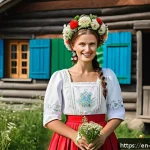
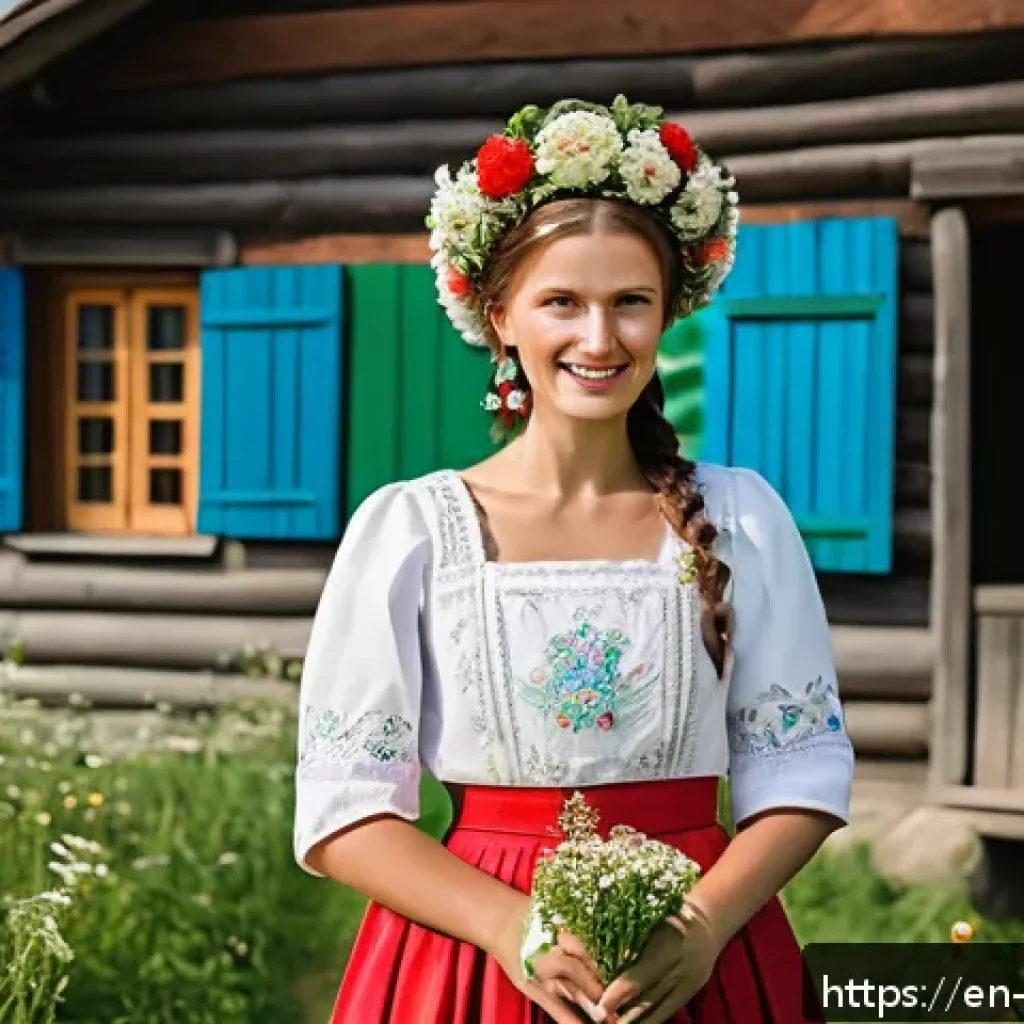
The bride’s attire in a Czech wedding is a vibrant testament to regional craftsmanship and heritage. In many villages, brides wear a richly embroidered blouse and skirt, often hand-stitched with floral patterns that symbolize fertility and prosperity.
These garments are not just pretty dresses; they tell stories passed down through generations. When I attended a wedding in Moravia, I was amazed at how every stitch seemed to carry meaning—colors and motifs varied depending on the bride’s hometown, making each outfit uniquely personal.
The bride’s headdress, typically adorned with ribbons and sometimes a delicate crown of flowers, completes the ensemble, signifying her transition from maidenhood to married life.
The Groom’s Traditional Suit
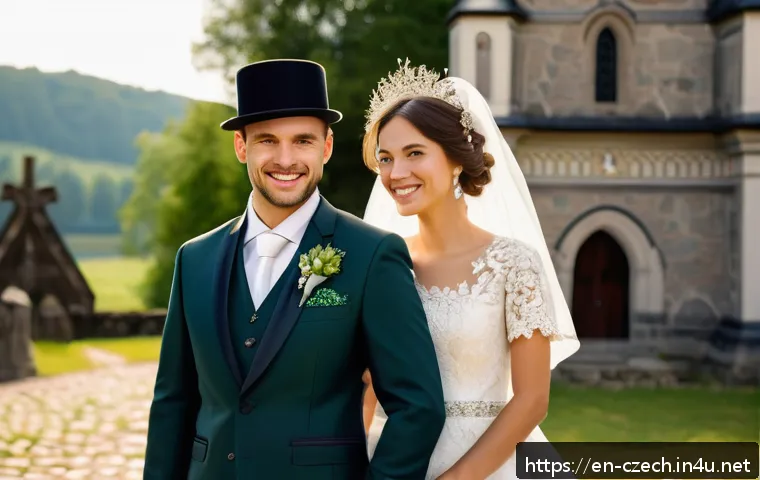
Unlike the modern tuxedo, the groom’s traditional attire often features a woolen jacket with intricate buttons and embroidery that matches the bride’s outfit.
The colors tend to be more subdued but hold symbolic weight—navy, black, or deep greens are common. The groom may also wear a decorated hat or a ribboned sash, emphasizing his role in the ceremony.
Observing a groom’s outfit closely, you realize how these details reflect pride in one’s roots and family history. It’s a subtle yet powerful way of honoring cultural identity on such a pivotal day.
Modern Twists on Classic Looks
While many couples cherish tradition, there’s a growing trend to blend old and new styles. I’ve seen brides pair traditional embroidery with contemporary white gowns, creating a stunning fusion that appeals to both heritage and fashion sensibilities.
Grooms might opt for classic suits but add embroidered ties or pocket squares that hint at Czech folk art. This balance resonates well with younger generations who want to celebrate their culture without fully stepping into the past.
It’s a beautiful reminder that traditions can evolve while still preserving their essence.
Symbolic Rituals That Shape the Wedding Day
The Blessing of the Bread and Salt
One of the most touching moments in a Czech wedding is the blessing of bread and salt, a ritual deeply embedded in Slavic culture. Before the ceremony begins, the couple is presented with a loaf of bread and a pinch of salt by their parents or close relatives.
This act symbolizes hospitality, prosperity, and the hope that the couple’s life together will be filled with abundance and resilience. I recall witnessing this at a small countryside wedding, and the reverence everyone showed truly moved me.
It’s not just a custom but a heartfelt wish for the newlyweds’ future.
The Tying of the Wedding Wreath
The wedding wreath, usually made of flowers and ribbons, plays a crucial role in marking the bride’s transition. Before the ceremony, unmarried girls wear floral wreaths, but once the bride is officially married, her wreath is replaced with a more elaborate headdress or even a veil.
This change signals her new status and the responsibilities that come with marriage. Watching this moment unfold, I could feel the bittersweet mix of joy and nostalgia as the bride said goodbye to her single days and embraced her new life.
Breaking the Glass for Good Luck
A lively and somewhat unexpected custom is the breaking of a glass at the end of the ceremony. Similar to some other European traditions, this act is believed to bring good luck and ward off evil spirits.
What makes the Czech version unique is the way friends and family cheer as the glass shatters, turning it into a festive highlight. I’ve seen couples make a game out of who breaks the glass, adding laughter and lightheartedness to the solemnity of the day.
It’s a perfect example of how Czech weddings balance solemn rituals with joyful celebration.
Music and Dance: The Heartbeat of Celebration
Folk Songs That Tell Stories
Music at Czech weddings is not just background noise; it’s an essential storytelling medium. Traditional folk songs often narrate tales of love, family, and village life.
These melodies, passed down orally for centuries, connect the couple and their guests to their shared history. At a wedding I attended in Bohemia, the live band played regional instruments like the cimbalom and bagpipes, filling the hall with vibrant energy.
Guests sang along, some even tearing up at the poignant lyrics. It’s clear that music here isn’t just entertainment—it’s an emotional thread weaving everyone together.
Energetic Folk Dances
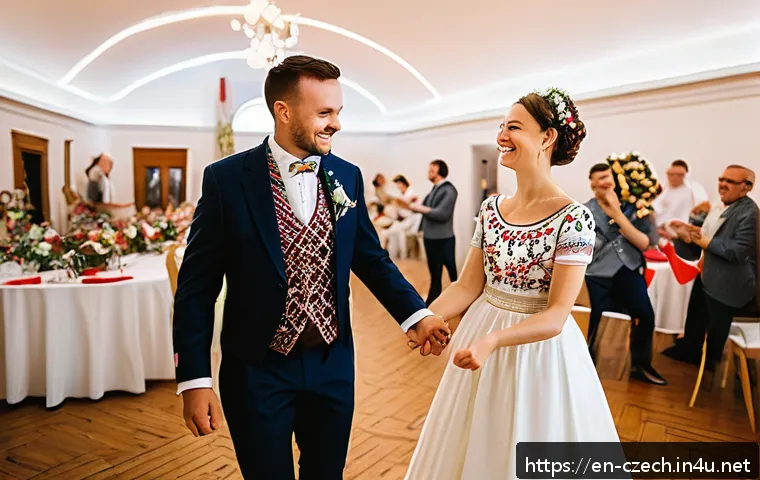
Dancing is a highlight where everyone gets involved, young and old alike. The bride and groom often start with a traditional dance, like the polka, followed by group dances where guests join in circles or lines.
These dances serve as both celebration and social bonding, reinforcing community ties. I was invited to join one such dance, and despite my initial hesitation, the infectious rhythm pulled me in.
The joy and unity on the dance floor were palpable, a reminder that weddings are as much about communal happiness as personal vows.
Modern Music Meets Tradition
While folk music remains cherished, many couples incorporate contemporary hits to keep the party lively for younger guests. DJs mix traditional tunes with pop and rock, creating a dynamic atmosphere that appeals across generations.
This blend helps maintain the cultural essence of the wedding while ensuring everyone can dance their heart out. From my experience, this musical fusion makes the celebrations feel inclusive and fresh without losing that deep-rooted Czech spirit.
Festive Foods and Culinary Customs
Hearty Dishes That Reflect Local Flavors
Czech wedding feasts are a culinary journey through the country’s rich gastronomic heritage. Expect plates laden with roast pork, dumplings, sauerkraut, and rich sauces—comforting dishes designed to satisfy large crowds.
What struck me was how these meals are carefully prepared to honor tradition, often using family recipes handed down through generations. The food isn’t just nourishment; it’s a symbol of abundance and sharing, reinforcing the communal nature of weddings.
Sweet Traditions: Wedding Cakes and Pastries
No Czech wedding is complete without a special cake, often a layered honey cake or a fruit-filled pastry known as koláče. These sweets symbolize sweetness and prosperity in marriage.
I had the chance to taste a homemade koláč at a wedding, and its delicate balance of creamy and fruity flavors left a lasting impression. Sharing these treats with guests is a gesture of goodwill and joy, wrapping up the feast on a high note.
Toasting Customs and Drinks
Toasts are a lively part of the celebration, often accompanied by traditional spirits like slivovice (plum brandy) or fine Czech beer. The master of ceremonies typically leads heartfelt speeches and calls for glasses to be raised in honor of the couple.
From personal experience, these moments are charged with emotion, laughter, and sometimes tears, perfectly capturing the spirit of the day. The combination of food and drink here strengthens bonds and creates memories that linger long after the wedding ends.
Family Roles and Community Involvement
The Importance of Parental Blessings
In Czech weddings, parental blessings are a deeply respected tradition. Before the couple departs for the ceremony, parents offer their blessings, often accompanied by symbolic gifts such as bread or coins.
This act signifies the transfer of care and support from the family to the new union. I’ve witnessed how these moments bring a profound sense of continuity and respect, bridging generations in a shared celebration of love and commitment.
The Role of Godparents and Witnesses
Godparents and witnesses play vital roles beyond just signing official documents. They often participate actively in rituals, such as leading processions or helping with ceremonial tasks.
Their involvement underscores the communal nature of marriage, reminding everyone that it’s not just a private contract but a social covenant. At one wedding I attended, the godparents’ speeches were filled with humor and wisdom, adding warmth and depth to the event.
Village Participation and Support
In smaller communities, weddings become a village affair where neighbors contribute by preparing food, decorating venues, or organizing entertainment.
This collective effort enhances the sense of belonging and shared joy. I was touched by how strangers at one wedding treated me like family, inviting me to join in dances and meals.
This openness is a hallmark of Czech weddings, where personal milestones are celebrated as communal achievements.
Unique Wedding Keepsakes and Gifts
Handcrafted Souvenirs
Czech weddings often include giving guests handmade keepsakes such as embroidered handkerchiefs, small wooden figurines, or painted eggs. These gifts are cherished not just for their beauty but for the labor and love invested in creating them.
Receiving one feels like holding a piece of the couple’s heritage, a tangible reminder of the day’s significance. I still have a delicate embroidered pouch from a wedding I attended years ago, and it always brings back warm memories.
The Tradition of Money Gifts
Instead of traditional gift registries, it’s common for guests to give money in decorative envelopes or small boxes. This practice helps the couple start their new life with practical support.
The money is often presented during lively moments of the reception, sometimes accompanied by humorous rhymes or songs. Having witnessed this firsthand, I can say it adds a playful and generous spirit to the celebration, blending practicality with festivity.
Personalized Vows and Letters
Some couples choose to write personal vows or letters exchanged during the ceremony, a growing trend that adds emotional depth. These writings often reference family history, shared dreams, and promises for the future.
I’ve read excerpts from these vows, and their heartfelt sincerity struck me deeply. Incorporating personal expression in such a traditionally structured event enriches the experience for both the couple and their guests.
| Aspect | Description | Significance |
|---|---|---|
| Attire | Hand-embroidered dresses and woolen suits with regional motifs | Reflects cultural identity and family heritage |
| Rituals | Bread and salt blessing, wreath tying, glass breaking | Symbolizes prosperity, transition, and good luck |
| Music and Dance | Folk songs, polka, modern mixes | Connects generations and enhances communal joy |
| Food | Roast pork, dumplings, koláče, traditional drinks | Celebrates abundance and hospitality |
| Family Roles | Parental blessings, godparents’ involvement, village support | Emphasizes community and generational bonds |
| Gifts | Handcrafted keepsakes, money gifts, personalized vows | Combines tradition with personal expression and practicality |
The Timing and Flow of the Ceremony
The Role of the Church and Civil Ceremonies
Many Czech weddings involve both a church ceremony and a civil registration, often held on the same day or within close proximity. The religious service includes traditional prayers, hymns, and blessings, while the civil ceremony focuses on legal formalities.
Having attended both, I noticed how each part complements the other—the solemnity of the church service blends seamlessly with the official but more relaxed civil proceedings.
This dual approach respects both spiritual and legal dimensions of marriage.
Processions and Key Moments
Processions are an essential part of the ceremony, often featuring family members walking together to the church or registry office. These moments are full of anticipation and emotion.
One of the highlights is the exchange of rings and the first kiss, which are met with applause and sometimes spontaneous singing by the guests. I remember feeling a wave of collective happiness during these moments, a shared celebration that felt deeply authentic.
Length and Pace of Celebrations
Czech weddings are known for their extended celebrations, sometimes lasting well into the early morning hours. The day is carefully paced to balance formal rituals, feasting, dancing, and socializing.
From personal experience, this relaxed flow encourages guests to fully immerse themselves in the festivities without feeling rushed. It also allows for spontaneous moments of joy and connection, which often become the most cherished memories.
The Influence of Regional Differences
Northern vs. Southern Traditions
While many customs are shared across the Czech Republic, regional variations add fascinating diversity. For example, in northern Bohemia, wedding attire tends to be simpler, with more emphasis on floral decorations and music, whereas southern Moravia favors elaborate costumes and longer rituals.
I had the chance to attend weddings in both regions, and the contrast was striking yet equally enchanting. These differences showcase the rich cultural mosaic within the country.
Urban Adaptations
In cities like Prague and Brno, weddings often blend traditional elements with modern sensibilities. Couples might choose historic venues but opt for contemporary music and cuisine.
This urban approach reflects the changing lifestyles and preferences of city dwellers while still honoring their roots. I find it fascinating how these weddings serve as a cultural bridge, connecting the past with the present in vibrant ways.
Seasonal Influences on Celebrations
The time of year also shapes wedding customs. Spring and summer weddings often feature outdoor festivities with floral decorations and fresh local produce, while winter weddings highlight cozy indoor gatherings with hearty meals and warm drinks.
Each season brings unique charms and challenges, influencing everything from attire to the types of rituals performed. Experiencing weddings across seasons has given me a deeper appreciation for how nature and tradition intertwine in Czech culture.
In Conclusion
Traditional Czech weddings beautifully blend rich cultural heritage with heartfelt personal expression. From intricate attire and meaningful rituals to lively music and communal celebrations, every detail reflects deep-rooted values and a strong sense of community. Experiencing these customs firsthand reveals how tradition and modernity harmonize to create unforgettable moments. Czech weddings truly celebrate love, family, and identity in a way that resonates across generations.
Helpful Information to Know
1. Traditional Czech wedding attire is highly regional, with embroidery and colors symbolizing local heritage and personal stories.
2. Rituals like the blessing of bread and salt, wreath tying, and glass breaking carry symbolic meanings of prosperity, transition, and luck.
3. Music and dance are central to the celebration, combining folk traditions with modern influences to engage guests of all ages.
4. Food at Czech weddings highlights hearty, traditional dishes and sweet pastries that emphasize community and abundance.
5. Family involvement and village participation play a significant role, reinforcing bonds and making weddings communal milestones.
Key Takeaways
Czech weddings are a vibrant tapestry of cultural identity, where every element from clothing to ceremonies holds symbolic weight. The balance between honoring longstanding traditions and embracing contemporary touches allows these celebrations to feel both timeless and relevant. Community support and family roles enrich the experience, ensuring that weddings are not just personal unions but shared cultural events. Understanding these aspects offers deeper appreciation for the unique charm and warmth of Czech matrimonial customs.
Frequently Asked Questions (FAQ) 📖
Q: What are some unique traditions commonly found in Czech weddings?
A: Czech weddings are rich with unique customs that really stand out. One popular tradition is the “bride kidnapping” ritual, which is a playful, symbolic act where the groom’s friends pretend to kidnap the bride, and the groom must “rescue” her, often by paying a ransom or singing songs.
Another charming custom is the folk dance called the “Polka,” where guests join in lively dancing that brings a joyful, communal spirit to the celebration.
These rituals, rooted in centuries-old folklore, create a fun and memorable atmosphere that reflects Czech cultural heritage.
Q: How do Czech wedding ceremonies reflect the country’s cultural values?
A: Czech weddings beautifully mirror the deep respect for family, community, and tradition that’s central to the culture. The ceremonies often include symbolic acts like breaking a glass to symbolize the fragility of life and marriage or the sharing of bread and salt to represent hospitality and prosperity.
These rituals emphasize unity and the importance of support from loved ones, highlighting how marriage is viewed not just as a union between two people, but as a bond that connects families and communities.
Experiencing these ceremonies firsthand gives a genuine insight into Czech values of togetherness and joy.
Q: Are Czech wedding customs suitable for modern couples looking for something meaningful?
A: Absolutely! Many modern couples, both within the Czech Republic and internationally, are embracing these traditions because they add a layer of heartfelt meaning and cultural depth to their weddings.
Having personally witnessed and participated in these celebrations, I can say the blend of lively festivities and symbolic rituals makes for a wedding that feels both authentic and personal.
Couples often adapt these customs to fit their style, blending old and new, which creates a unique experience that guests remember long after the day ends.
If you’re looking to add cultural richness and joyful energy to your wedding, Czech traditions are definitely worth considering.