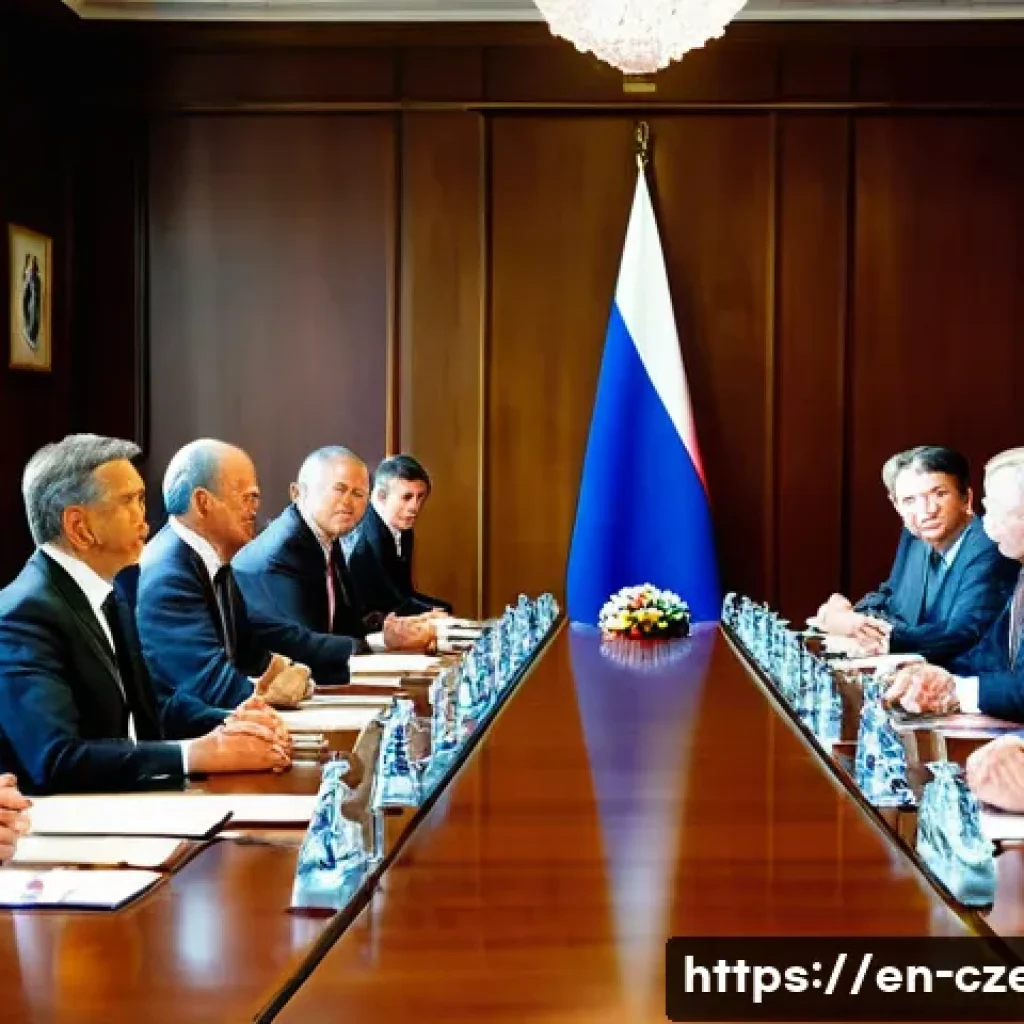
Tensions between the Czech Republic and Russia have escalated in recent years, fueled by complex historical ties and geopolitical disputes. Diplomatic relations have been strained by accusations of espionage, political interference, and differing stances on security issues within Europe.

These conflicts not only affect bilateral cooperation but also ripple through the wider international community, influencing alliances and regional stability.
Understanding the roots and current developments of this diplomatic friction is essential in grasping the broader dynamics at play in Eastern Europe. Let’s dive deeper into the details and uncover what’s really happening behind the headlines.
I’ll walk you through the key points step by step!
Historical Underpinnings and Their Lingering Shadows
The Legacy of Cold War Rivalries
The Czech Republic’s history with Russia is deeply intertwined with the Cold War era, where Soviet influence shaped much of Eastern Europe’s political landscape.
Even decades after the fall of the Iron Curtain, remnants of distrust linger. For many Czechs, memories of Soviet dominance evoke caution and skepticism toward Russia’s intentions.
This historical backdrop is essential to understanding why diplomatic relations remain tense, as past grievances still color present-day perceptions and decisions.
It’s like a shadow that refuses to fade, subtly influencing how each side approaches dialogue and cooperation.
Post-Soviet Transition and Political Realignment
After the Czech Republic gained independence and transitioned into a democratic state, its geopolitical orientation shifted westward, joining NATO and the European Union.
This realignment was viewed with suspicion by Russia, which saw it as a loss of influence in what it considered its traditional sphere. The Czech embrace of Western alliances has often been interpreted by Moscow as a provocative move, exacerbating diplomatic friction.
The Czech government’s commitment to Western security frameworks contrasts sharply with Russia’s desire to maintain regional influence, creating a persistent undercurrent of tension that plays out in political and diplomatic arenas.
Cultural and Social Narratives Affecting Diplomacy
Beyond formal politics, cultural narratives and media portrayals on both sides contribute to mutual misunderstandings. In the Czech Republic, Russian state media is often viewed as a source of misinformation or propaganda, feeding into public wariness.
Conversely, Russian narratives frequently depict the Czech Republic as a pawn of Western powers, undermining Russia’s security interests. These social undercurrents amplify mistrust and complicate efforts to foster dialogue, as public opinion becomes a critical factor in shaping diplomatic strategy.
Security Concerns and Espionage Accusations
Espionage Scandals and Their Fallout
Over the past few years, a series of espionage cases have inflamed tensions between the two countries. High-profile arrests of alleged Russian spies on Czech soil have made headlines, fueling suspicion and hostility.
These incidents not only strain diplomatic ties but also trigger wider debates about national security and intelligence capabilities. From my perspective, such events serve as flashpoints, hardening attitudes and reducing the willingness to engage in constructive dialogue.
It’s a classic example of how intelligence activities, often shrouded in secrecy, can have outsized impacts on international relations.
Military Posturing and NATO’s Role
The Czech Republic’s active participation in NATO exercises and deployments near Russia’s borders has been a source of unease for Moscow. Russian officials frequently criticize NATO’s eastward expansion as a direct threat, citing the Czech Republic’s military cooperation as evidence.
This dynamic creates a cycle of action and reaction, where increased security measures on one side prompt countermeasures on the other. For Czech defense policymakers, however, alignment with NATO is viewed as essential for national security, especially given the ongoing geopolitical uncertainties in the region.
Cybersecurity Threats and Hybrid Warfare
In addition to traditional espionage, cybersecurity has emerged as a critical battleground. The Czech Republic has reported multiple cyberattacks allegedly linked to Russian actors, targeting government institutions and critical infrastructure.
These digital confrontations complicate diplomatic relations because they occur in a gray zone—too ambiguous for direct military retaliation but too damaging to ignore.
I’ve noticed that addressing such threats requires not just technical defenses but also diplomatic finesse, balancing deterrence with the need to keep communication channels open.
Political Interference and Election Security
Allegations of Meddling in Domestic Politics
Claims of Russian interference in Czech political processes have surfaced repeatedly, ranging from disinformation campaigns to attempts to influence elections.
These accusations have heightened political polarization within the Czech Republic and raised alarms about the integrity of democratic institutions. From my observations, the Czech government and civil society have become increasingly vigilant, enhancing measures to detect and counter foreign influence.
Still, these challenges underscore the broader struggle to safeguard sovereignty in an era of complex information warfare.
Media Manipulation and Public Perception
Russian-backed media outlets and online platforms have been accused of spreading misleading narratives aimed at shaping Czech public opinion. This form of soft power complicates diplomatic efforts because it operates beneath the surface, subtly eroding trust in government and democratic processes.
The Czech public’s awareness of these tactics has grown, yet the battle over information remains ongoing. It’s fascinating to see how media landscapes have become a frontline in modern geopolitical conflicts, blending technology with traditional propaganda techniques.
Government Responses and Legislative Actions
In response to these threats, the Czech government has enacted stricter regulations on political advertising, foreign funding, and online content moderation.
These measures aim to enhance transparency and resilience against covert influence operations. From what I’ve gathered, while such policies are necessary, they also raise complex questions about balancing security with freedom of expression.
Navigating this terrain requires nuanced approaches that protect democratic values without stifling legitimate political discourse.
Economic Interactions Amid Diplomatic Strains
Trade Relations and Energy Dependencies
Despite the political frictions, economic ties between the Czech Republic and Russia persist, particularly in energy imports. Russia remains a significant supplier of natural gas, which complicates the Czech Republic’s strategic calculations.
On one hand, energy security demands diversification; on the other, abrupt disruptions could have severe economic consequences. My experience following these developments suggests that the Czech Republic is actively seeking alternatives, such as LNG imports and renewable energy investments, to reduce dependence on Russian supplies while managing current needs pragmatically.
Sanctions and Their Impact on Business
The imposition of international sanctions on Russia has reverberated through Czech industries, affecting companies with Russian partnerships or markets.

These sanctions aim to pressure Russia politically but also create economic ripple effects that Czech businesses must navigate carefully. For entrepreneurs and investors, the evolving sanction landscape demands agility and strategic foresight.
It’s a delicate balancing act, where economic interests and ethical considerations often collide, requiring informed decision-making.
Opportunities for Economic Cooperation
While political tensions dominate headlines, some sectors still explore opportunities for cooperation, such as technology exchanges and cultural initiatives.
These areas offer potential bridges for dialogue, even amid broader disputes. From conversations I’ve had with industry insiders, there is cautious optimism that pragmatic collaboration can coexist with political disagreements, fostering incremental trust-building.
It’s a reminder that diplomacy is not solely about grand gestures but also about small, consistent steps forward.
Regional Implications and International Reactions
Influence on Central and Eastern European Stability
The Czech-Russian diplomatic tension resonates beyond bilateral relations, impacting the wider Central and Eastern European region. Neighboring countries watch closely, as these disputes often set precedents for how Russia engages with post-Soviet states now aligned with the West.
This regional ripple effect contributes to a broader atmosphere of uncertainty and strategic recalibration. I find it critical to monitor these interactions, as they shape the security architecture and political alignments across Europe.
Alliances and Diplomatic Alignments
The Czech Republic’s role within NATO and the EU means its disputes with Russia are frequently framed within larger geopolitical contests. Western allies generally support Prague’s positions, while Russia counters with its narratives.
This dynamic influences diplomatic negotiations and alliance cohesion. From my perspective, the Czech Republic leverages its alliances to amplify its voice but also must manage the risks of becoming a proxy battleground for competing powers.
International Mediation and Conflict Resolution Efforts
Various international organizations and diplomatic channels have attempted to ease tensions and promote dialogue between the Czech Republic and Russia.
Although progress is often slow and uneven, these efforts underscore the importance of sustained engagement. I’ve noticed that successful conflict resolution requires patience, trust-building, and a willingness to address underlying issues honestly—elements that are challenging but essential for long-term stability.
Comparative Overview of Key Diplomatic Incidents
| Incident | Date | Description | Impact on Relations |
|---|---|---|---|
| Explosion at Ammunition Depot | 2014 | Massive explosion suspected to be sabotage, linked to Russian intelligence. | Heightened suspicion and increased security measures. |
| Spy Arrests in Prague | 2020 | Two Russian agents arrested for espionage activities targeting Czech officials. | Diplomatic expulsions and mutual sanctions. |
| Cyberattack on Government Websites | 2021 | Multiple cyberattacks attributed to Russian hackers targeting Czech institutions. | Strengthened cybersecurity protocols and international cooperation. |
| Disinformation Campaigns | 2018-2022 | Ongoing efforts to spread misleading information through social media. | Increased public awareness and regulatory responses. |
Future Prospects and Potential Paths Forward
Diplomatic Engagement and Confidence-Building Measures
Looking ahead, both countries face the challenge of rebuilding trust through sustained diplomatic efforts. Confidence-building measures such as joint cultural programs, transparent communication channels, and regular dialogue could lay the groundwork for easing tensions.
From what I gather, small initiatives may seem insufficient given the scale of disputes, but they are vital first steps toward normalization.
Balancing Security and Cooperation
Finding the right balance between safeguarding national security and pursuing pragmatic cooperation will be key. This means maintaining vigilance against genuine threats while exploring areas where mutual interests align, such as trade, environmental issues, or scientific research.
I’ve seen that successful diplomacy often hinges on recognizing shared benefits despite political disagreements.
The Role of External Actors
International partners, particularly within NATO and the EU, will continue to influence the trajectory of Czech-Russian relations. Their support can facilitate dialogue or, conversely, exacerbate divisions depending on broader geopolitical developments.
It’s clear that the Czech Republic’s path forward will be shaped not only by bilateral dynamics but also by the evolving global order and alliances.
글을 마치며
Understanding the complex relationship between the Czech Republic and Russia requires recognizing the deep historical roots and ongoing political challenges that shape their interactions. Despite persistent tensions, there are opportunities for cautious dialogue and cooperation. Moving forward, patience and strategic engagement will be essential in navigating this delicate diplomatic landscape. Ultimately, fostering trust remains the key to a more stable future.
알아두면 쓸모 있는 정보
1. The Czech Republic’s Cold War history with Russia continues to influence current diplomatic attitudes and policies.
2. Czech alignment with NATO and the EU is a major factor in the ongoing geopolitical tensions with Russia.
3. Cybersecurity threats and espionage accusations have intensified mistrust and complicated bilateral relations.
4. Economic ties, especially in energy, remain significant despite political strains, highlighting the complexity of interdependence.
5. International alliances and mediation efforts play a crucial role in shaping the future of Czech-Russian relations.
핵심 사항 요약
The relationship between the Czech Republic and Russia is marked by a legacy of Cold War rivalry, post-Soviet political shifts, and ongoing security concerns including espionage and cyber threats. Diplomatic tensions are further exacerbated by allegations of political interference and media manipulation. Despite these challenges, economic interactions, particularly in energy, continue to tie the two countries together, creating a complicated dynamic. Regional stability and international alliances heavily influence the trajectory of their relations, making cautious diplomacy and confidence-building measures vital for progress.
Frequently Asked Questions (FAQ) 📖
Q: What are the main reasons behind the tensions between the Czech Republic and Russia?
A: The tensions primarily stem from a mix of historical baggage and current geopolitical conflicts. Historically, the Czech Republic has had a complicated relationship with Russia, especially due to Soviet influence during the Cold War.
In recent years, issues such as alleged Russian espionage activities on Czech soil, accusations of political interference, and opposing views on European security policies have intensified the strain.
These factors combined create a complex backdrop that fuels mistrust and diplomatic friction between the two nations.
Q: How do these diplomatic conflicts impact the Czech Republic’s position in Europe?
A: The ongoing disputes with Russia significantly affect the Czech Republic’s role within the European Union and NATO. On one hand, Prague has become more cautious and aligned with Western security measures, reinforcing its commitment to collective defense against perceived Russian aggression.
On the other hand, the tensions complicate energy cooperation and economic ties, as Russia remains a major player in the region. This dual impact not only shapes Czech foreign policy but also influences broader regional stability and alliance dynamics.
Q: What recent events have escalated the conflict between the Czech Republic and Russia?
A: Several key incidents have heightened tensions recently. Notably, the 2014 explosion at a Czech ammunition depot was linked by Czech authorities to Russian intelligence operatives, which triggered a diplomatic fallout including expulsions of diplomats from both sides.
Additionally, ongoing accusations of cyber espionage and disinformation campaigns have kept the relationship fraught. These developments have pushed the Czech government to strengthen its security stance and deepen cooperation with Western allies, signaling a clear response to Russia’s actions.