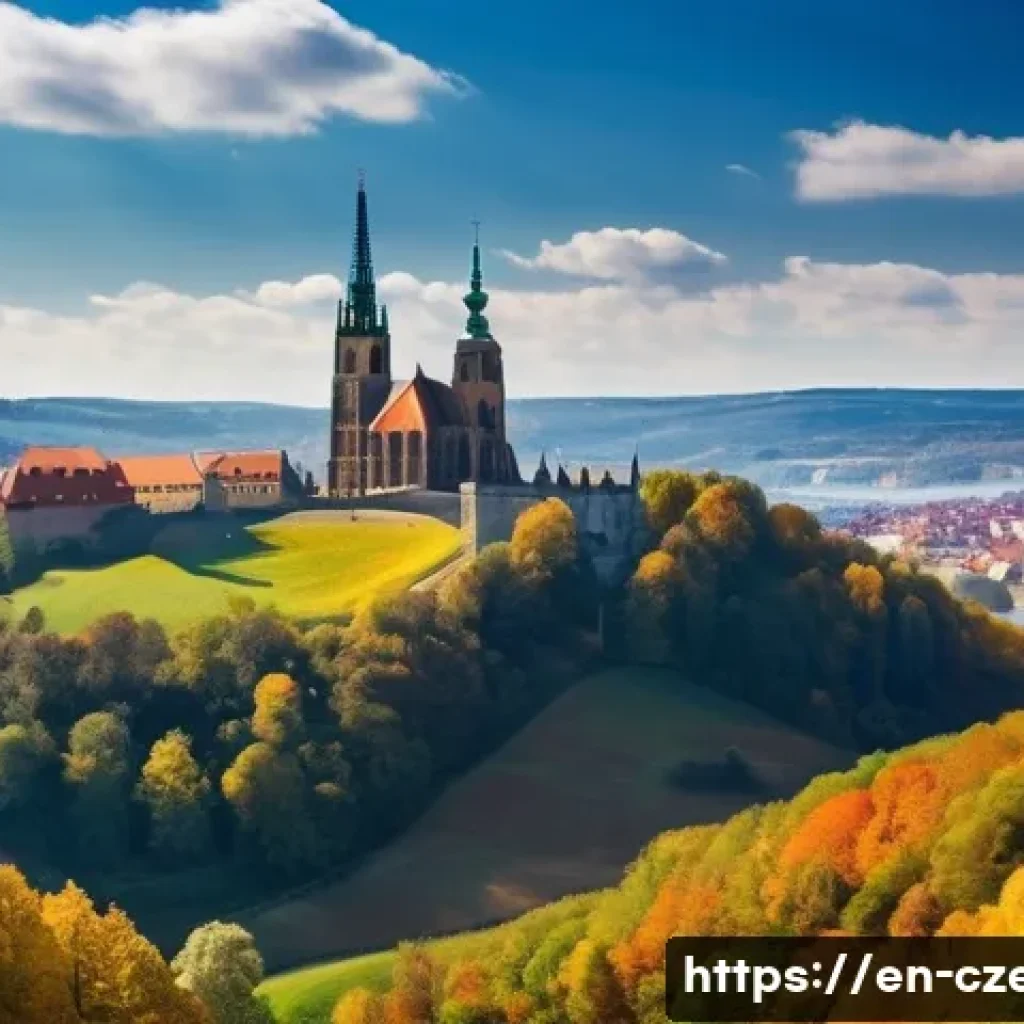
When exploring the heart of Central Europe, the regions of Bohemia and Moravia often come up, each rich with its own unique history and cultural identity.
While both are integral parts of the Czech Republic today, their distinct landscapes, traditions, and historical developments set them apart in fascinating ways.
Understanding these differences not only deepens appreciation for the area but also offers insight into the broader European tapestry. Whether you’re planning a trip or just curious about European regions, knowing what makes Bohemia and Moravia special can enhance your perspective.
Let’s dive in and uncover what truly distinguishes these two captivating regions!
Geographical Features and Natural Landscapes
Rolling Hills and Rivers in Bohemia
Bohemia is renowned for its picturesque rolling hills that stretch across much of the region, creating a gently undulating landscape that’s perfect for hiking and scenic drives.
The presence of significant rivers such as the Vltava, which flows through Prague, adds a dynamic water element to the scenery. When I visited, I was captivated by how these rivers weave through historic towns and lush forests, offering both tranquility and vibrant life.
The forests themselves are dense and varied, providing a natural playground for outdoor enthusiasts and a peaceful refuge from urban bustle.
Moravia’s Diverse Terrain and Vineyards
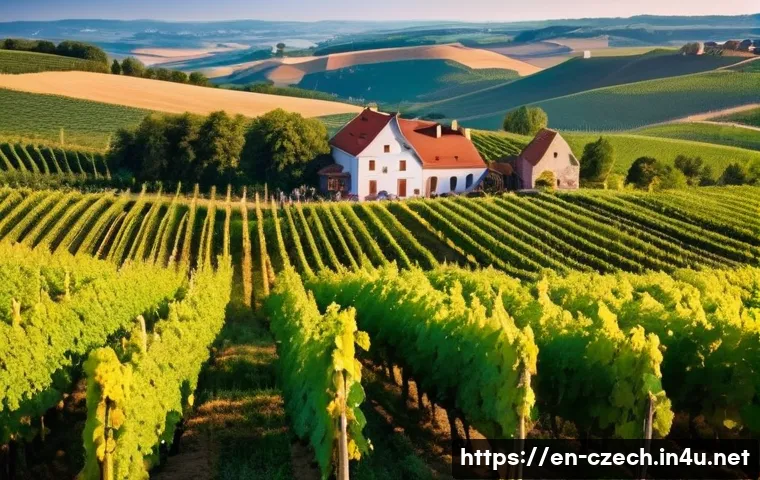
In contrast, Moravia offers a more varied terrain that includes fertile lowlands, rolling hills, and even mountainous areas like the Beskids. What struck me the most about Moravia was its extensive vineyards spread across the southern parts, which give the region a distinct Mediterranean feel despite its Central European location.
These vineyards not only produce some of the finest Czech wines but also shape the cultural identity of the area. Walking through these vineyards during harvest season felt like stepping into a living postcard, full of tradition and community spirit.
Comparing Climate and Seasonal Experiences
The climate in both regions is generally temperate but with subtle differences. Bohemia tends to experience slightly cooler temperatures and more pronounced seasonal changes, especially with colder, snowy winters that turn the landscape into a winter wonderland.
Moravia’s climate leans toward warmer summers and milder winters, which benefits its agricultural activities, especially grape growing. This climatic contrast means that your experience will vary depending on when and where you visit, with Bohemia offering classic Central European seasonal charm and Moravia providing a more temperate, almost southern European vibe.
Historical Influences and Architectural Heritage
Medieval Roots and Gothic Impressions in Bohemia
Bohemia’s history is deeply rooted in medieval Europe, and this is vividly reflected in its architectural treasures. Prague, the capital city, is a living museum of Gothic cathedrals, Baroque palaces, and Renaissance squares.
What fascinated me was how the city’s layered history is visible in its buildings, from the towering spires of St. Vitus Cathedral to the intricate details of the Old Town Square’s astronomical clock.
Exploring Bohemia feels like stepping through centuries, where every corner tells a story of kings, artists, and revolutionaries.
Moravia’s Baroque and Folk Architecture
Moravia, while sharing some historical periods with Bohemia, displays a stronger emphasis on Baroque and folk architecture. Small towns like Mikulov and Telč boast beautifully preserved Baroque castles and charming wooden houses adorned with traditional Moravian decorations.
I found the folk traditions woven into the buildings’ designs particularly captivating, offering a glimpse into the everyday lives of Moravian people across centuries.
This architectural style creates a warm, inviting atmosphere that contrasts with Bohemia’s more grandiose urban vibe.
The Role of Religion and Cultural Monuments
Religion has played a pivotal role in shaping both regions, but its influence manifests differently. Bohemia’s religious history is marked by the Hussite movement and its subsequent impact on Protestantism and Catholicism, leading to a complex mosaic of churches and religious monuments.
Moravia is often regarded as the spiritual heartland of the Czech Republic, with numerous pilgrimage sites and monasteries dotting its landscape. Visiting these religious sites in Moravia gave me a sense of peaceful devotion mixed with cultural pride that feels very much alive today.
Culinary Traditions and Local Specialties
Hearty Dishes and Beer Culture in Bohemia
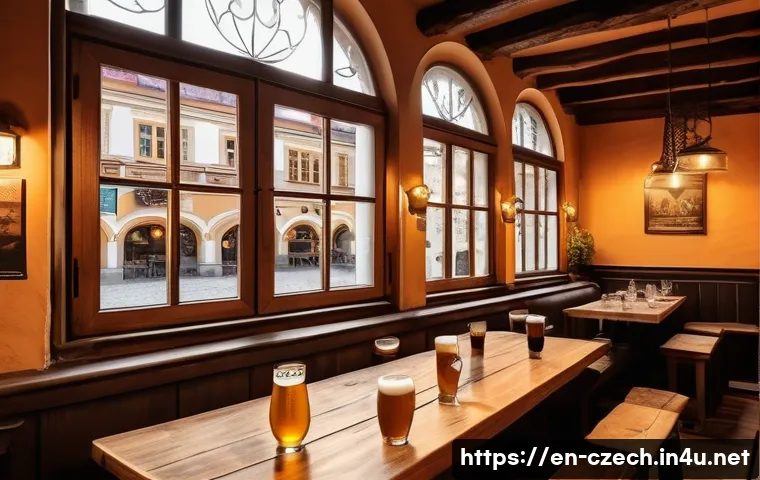
Bohemian cuisine is known for its hearty, comforting dishes that pair perfectly with the world-famous Czech beers brewed in the region. I remember savoring classics like svíčková (marinated beef with creamy sauce) and knedlíky (dumplings) in cozy pubs where the atmosphere was as rich as the food.
The beer culture here is something special — from large breweries in Pilsen to small craft beer pubs in Prague, beer is more than a drink; it’s a social glue that brings people together.
Wine and Fresh Flavors of Moravia
Moravia’s culinary scene is heavily influenced by its vineyards, and wine tasting is a must-do experience. The food tends to be lighter, with an emphasis on fresh ingredients, seasonal vegetables, and dishes that complement the local wines.
I found the Moravian specialties, such as tvarůžky (a pungent cheese) and various fruit dumplings, to be delightful surprises that perfectly showcase the region’s agricultural bounty.
The wine festivals and cellar tours felt like an authentic immersion into local life, blending gastronomy with tradition.
Seasonal Markets and Food Festivals
Both regions celebrate their food cultures through lively seasonal markets and festivals. Bohemia’s Christmas markets in Prague are world-famous, offering mulled wine, roasted chestnuts, and artisanal crafts.
Moravia, on the other hand, hosts vibrant harvest festivals in the autumn, where local communities come together to celebrate the grape harvest with music, dancing, and, of course, copious amounts of wine.
Attending these events gave me a deeper appreciation of how food and drink serve as cultural cornerstones in both regions.
Language, Dialects, and Cultural Expressions
Distinct Dialects and Linguistic Nuances
While Czech is the official language across both regions, the dialects spoken in Bohemia and Moravia differ noticeably. Bohemian Czech tends to be the standard form heard in media and education, but Moravian dialects carry unique vocabulary and pronunciation that can sound quite different to outsiders.
When I spent time in rural Moravia, I was charmed by the melodic intonations and local expressions, which added a layer of warmth and identity to everyday conversations.
This linguistic diversity highlights the cultural richness within the Czech Republic.
Folklore and Traditional Music
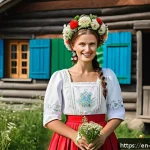
Moravia is particularly famous for its vibrant folklore traditions, including colorful costumes, folk dances, and distinctive music featuring instruments like the cimbalom.
I had the chance to witness a folk festival where locals performed traditional dances that had been passed down for generations — it was a vivid display of community pride and cultural preservation.
Bohemia, while also rich in folklore, leans more toward classical music heritage, with composers like Dvořák and Smetana having strong ties to the region.
Artistic and Literary Contributions
Both regions have contributed significantly to Czech art and literature but in different ways. Bohemia, centered around Prague, has been a hub for avant-garde artists, writers, and intellectuals, fostering movements that shaped modern Czech identity.
Moravia has nurtured folk artists and writers who focused on rural life, traditions, and the natural world. These artistic differences reflect the broader cultural contrasts between the urban, cosmopolitan Bohemia and the more pastoral, tradition-oriented Moravia.
Economic Development and Modern Industry
Bohemia’s Industrial and Technological Hubs
Bohemia is home to the Czech Republic’s largest cities, including Prague, which acts as an economic powerhouse with thriving sectors like technology, finance, and manufacturing.
When visiting Prague, I noticed the blend of historic charm with cutting-edge innovation, from startup incubators housed in old buildings to sprawling industrial zones on the city’s outskirts.
This economic dynamism attracts a diverse workforce and fuels growth, making Bohemia a magnet for both domestic and international business.
Moravia’s Agricultural Strength and Emerging Sectors
Moravia remains more agriculturally focused, with its fertile lands supporting crops, livestock, and of course, vineyards. However, it’s also developing new industries such as automotive manufacturing and renewable energy.
I had a chance to visit a small Moravian town where traditional farming coexists with modern factories, showcasing a balanced approach to economic progress.
This blend of old and new gives Moravia a unique character, where innovation respects and integrates with heritage.
Tourism’s Role in Regional Economies
Tourism is vital for both regions but plays out differently. Bohemia, with Prague’s global appeal, attracts millions of visitors annually, supporting hospitality, cultural sites, and retail.
Moravia’s tourism is more niche, focusing on wine tours, rural retreats, and historical towns. From personal experience, the quieter, more intimate tourism in Moravia offers a refreshing alternative to the bustling city life of Bohemia, appealing to travelers seeking authenticity and slower rhythms.
Key Distinctions at a Glance
| Aspect | Bohemia | Moravia |
|---|---|---|
| Landscape | Rolling hills, major rivers, dense forests | Diverse terrain, vineyards, mountainous areas |
| Climate | Cooler, snowy winters | Milder winters, warmer summers |
| Architecture | Gothic, Renaissance, Baroque urban buildings | Baroque castles, folk-style houses |
| Cuisine | Hearty meals, famous beers | Wine-centric, fresh and lighter dishes |
| Language | Standard Czech dialect | Distinct Moravian dialects |
| Economy | Industrial, technological, financial hub | Agricultural, emerging industries |
| Tourism | Urban cultural tourism | Rural, wine, and heritage tourism |
In Conclusion
Exploring Bohemia and Moravia reveals two distinct yet equally captivating regions, each with its own charm and character. From Bohemia’s historic cities and hearty cuisine to Moravia’s scenic vineyards and rich folk traditions, both areas offer unique experiences that appeal to a wide range of travelers. Whether you prefer urban sophistication or rustic tranquility, these regions invite you to discover their landscapes, culture, and history at your own pace.
Useful Information to Keep in Mind
1. Bohemia is best known for its medieval architecture and vibrant urban life, especially in Prague, making it ideal for history buffs and city lovers.
2. Moravia’s landscape is more varied, featuring vineyards and mountains, perfect for outdoor activities and wine enthusiasts.
3. The climate differences mean Bohemia experiences colder winters, while Moravia enjoys milder temperatures, influencing the best times to visit each region.
4. Culinary experiences vary significantly: Bohemia offers hearty dishes paired with world-famous beers, while Moravia focuses on lighter fare and excellent local wines.
5. Language and cultural expressions differ, with Moravian dialects and folklore adding a unique flavor distinct from the more standardized Czech spoken in Bohemia.
Essential Takeaways
Bohemia and Moravia each present a rich tapestry of geography, culture, and history that shapes their identities. Bohemia stands out for its urban sophistication, historical landmarks, and industrial economy, while Moravia captivates with its agricultural heritage, folk traditions, and emerging industries. Understanding these distinctions helps travelers appreciate the diversity within the Czech Republic and plan visits that match their interests, whether seeking bustling cityscapes or peaceful countryside escapes.
Frequently Asked Questions (FAQ) 📖
Q: What are the main cultural differences between Bohemia and Moravia?
A: Bohemia and Moravia each have their own distinct cultural flavors shaped by history and geography. Bohemia, home to Prague, tends to have a more cosmopolitan vibe influenced by centuries of political and artistic activity.
Moravia, on the other hand, is often seen as more traditional and folk-oriented, with vibrant music, dance, and festivals that highlight its rural roots.
When visiting, you’ll notice Moravia’s strong wine culture and colorful folk costumes, while Bohemia offers a blend of medieval castles, gothic architecture, and urban sophistication.
Q: How do the landscapes of Bohemia and Moravia differ?
A: Bohemia is characterized by its rolling hills, dense forests, and numerous rivers, making it feel like a green and somewhat mystical region. It’s perfect for hiking, exploring castles, and enjoying historic towns.
Moravia features more open plains and fertile valleys, especially famous for its vineyards and agricultural lands. The Moravian Karst with its caves is a natural highlight, offering a different kind of scenic beauty compared to Bohemia’s wooded areas.
Each region’s landscape shapes the activities and atmosphere you’ll experience.
Q: Are there notable historical events that set Bohemia and Moravia apart?
A: Absolutely. Bohemia has been a central player in European history, known for events like the Hussite Wars in the 15th century and its role in the Holy Roman Empire.
Prague’s status as a political and cultural hub adds to its historical weight. Moravia has its own rich past, often acting as a crossroads between Eastern and Western Europe, with a history of Slavic settlements and being part of the Great Moravian Empire in the 9th century.
These historical paths influence local identities, traditions, and even languages spoken in subtle ways.