Prague, oh Prague! Just uttering the name conjures images of stunning architecture, cobblestone streets, and, for many of us, the promise of some of the world’s most incredible beer.
But have you ever truly delved deep into the golden liquid that flows so freely through this historic land? Beyond the universally famous pilsners, there’s a whole universe of nuanced flavors, captivating stories, and ancient brewing traditions just waiting to be explored.
I’ve personally embarked on more than a few Czech beer adventures, and let me tell you, each one has offered a unique glimpse into the very heart and soul of Czech culture—from the lively buzz of local pubs to the serene calm of centuries-old monastery breweries.
It’s not just about enjoying a refreshing pint; it’s about connecting with a rich history, understanding a craft passed down through generations, and discovering those hidden, local gems that make a trip truly unforgettable.
I always say, you haven’t genuinely experienced Prague until you’ve savored a perfectly poured Czech brew, crafted with passion and precision. So, if you’re ready to sip your way through an unforgettable journey, uncovering secrets and savoring every single moment, you’ve absolutely come to the right place.
Let’s dive into the details and make your next Czech beer tour legendary!
Beyond the Usual suspects: Unveiling Prague’s Hidden Beer Gems
You know, for many, a trip to Prague immediately brings to mind the iconic Pilsner Urquell, and don’t get me wrong, it’s a fantastic beer and a true Czech classic. But limiting yourself to just that would be like visiting a grand art museum and only looking at the Mona Lisa! The real magic of Czech beer culture lies far beyond the universally recognized brands, nestled away in cozy neighborhood pubs and smaller, independent breweries. I remember my first time venturing off the main tourist paths, stumbling into a tiny, unassuming pub near Žižkov. The air was thick with conversation, the clinking of glasses, and the unmistakable aroma of fresh hops. That evening, I discovered a dark lager, a tmavé pivo, so rich and malty, with a hint of roasted caramel, that it completely reshaped my understanding of Czech beer. It wasn’t just a drink; it was an experience, a taste of authentic local life that you simply won’t find on a mass-produced tour. These smaller places often have rotating taps, offering seasonal brews or unique concoctions you might only find there, making every visit a delightful surprise and a treasure hunt for your palate. This is where you truly connect with the soul of Czech brewing, experiencing the passion and tradition that define this incredible beer-loving nation. Trust me, dedicating a bit of time to seek out these lesser-known spots will be the highlight of your culinary journey.
The Allure of the Local Hospoda
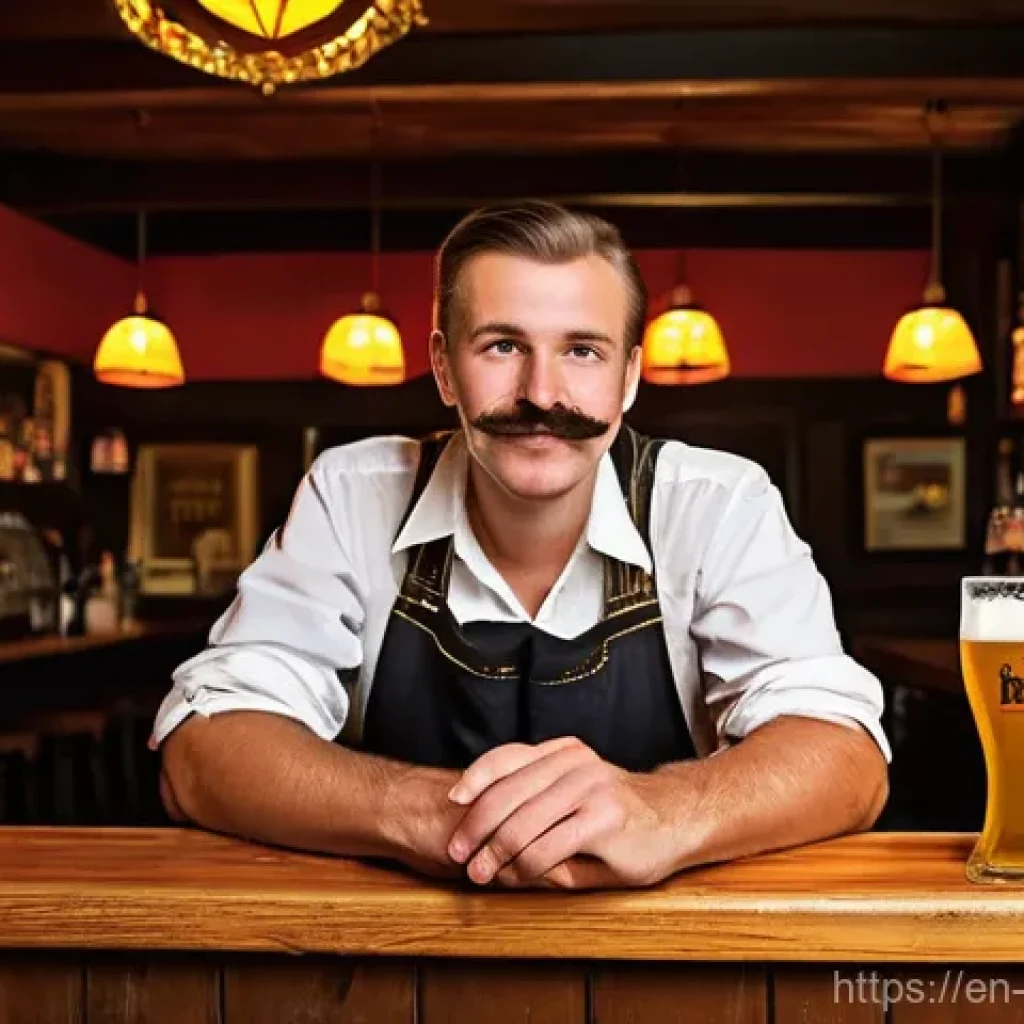
There’s something incredibly charming and authentic about a Czech hospoda, or local pub. These aren’t just bars; they’re community hubs, places where friends gather, stories are shared, and the day’s worries melt away with each perfectly poured pint. I’ve spent countless hours in these establishments, simply soaking in the atmosphere, and I can tell you, it feels like stepping back in time in the best possible way. The decor is usually unpretentious, often featuring dark wood, simple seating, and a general air of timelessness. What truly sets them apart, though, is the quality of the beer and the pride the bartenders take in serving it. They often have long-standing relationships with specific breweries, ensuring a fresh, consistent supply of their house lager or darker brews. You’ll notice the locals chatting animatedly, sometimes over a game of cards, sometimes just enjoying each other’s company. Engaging with the regulars, even with a language barrier, often leads to genuine smiles and sometimes even a shared toast. It’s a reminder that good beer is a universal language.
Unearthing Microbrewery Masterpieces
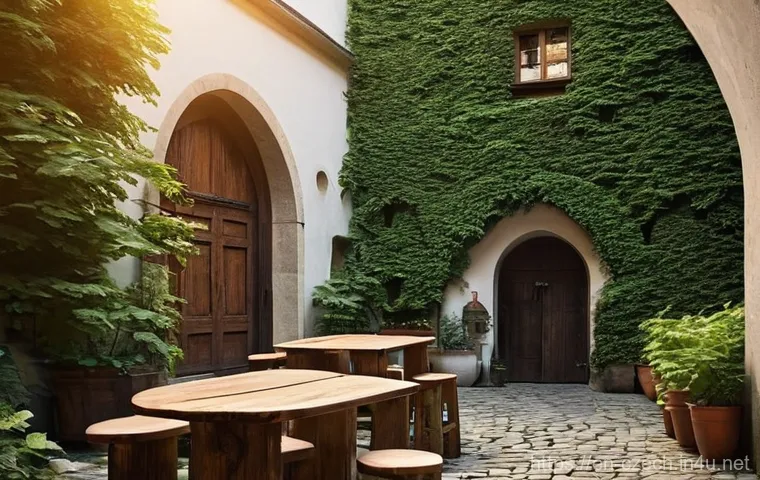
While the big names dominate the market, Prague’s burgeoning microbrewery scene is where innovation truly shines. These smaller operations, often run by passionate individuals who’ve perfected their craft over years, are creating some truly spectacular beers that push the boundaries of traditional Czech brewing. I’ve visited several, from modern, sleek setups to rustic, old-school operations, and each one tells a unique story. One particular microbrewery, tucked away in a quiet courtyard, served me a wheat beer (pšeničné pivo) that had such a beautiful balance of banana and clove notes, it instantly became one of my favorites. What I appreciate most about these places is the brewers’ willingness to experiment while still honoring the rich heritage of Czech beer. You might find anything from bold IPAs to experimental stouts, all crafted with the same meticulous attention to detail that Czech brewers are famous for. Many microbreweries also offer tours and tastings, giving you a chance to see the brewing process up close and personal, and often to chat directly with the brewers themselves. It’s an intimate way to appreciate the sheer artistry and dedication that goes into every glass.
The Art of the Pour: Understanding Czech Beer Culture
When you order a beer in a Czech pub, you’re not just getting a drink; you’re witnessing a ritual. The way a bartender pours a beer here is a thing of beauty, a testament to centuries of tradition and a deep respect for the craft. I’ve watched in fascination countless times as experienced bartenders, often called výčepní, meticulously fill a glass, adjusting the tap pressure, and creating that perfect, dense head of foam. This foam, or ‘pěna,’ isn’t just for show; it’s an essential part of the Czech beer experience. It helps preserve the beer’s freshness, prevents oxidation, and actually enhances the flavor by keeping the carbonation locked in. My first few times, I was a bit confused by the varying amounts of foam, but I quickly learned that different pours are celebrated for different reasons. For example, a “hladinka” has a thick, creamy head that extends to about three-quarters of the glass, while a “šnyt” is a smaller pour of mostly foam with a splash of beer, often enjoyed as a quick taste or a palate cleanser. Once you understand these nuances, you begin to appreciate the true depth of Czech beer culture, realizing that every detail, from the glass to the pour, contributes to the overall enjoyment. It really elevates the simple act of drinking a beer into a refined culinary art form.
Mastering the Hladinka: The Perfect Foam
The hladinka is, arguably, the most iconic Czech beer pour. It’s characterized by a generous, dense layer of creamy foam that extends nearly to the top of the glass, with the golden liquid shimmering just beneath. I vividly remember trying to replicate this at home after a trip, and let me tell you, it’s not as easy as it looks! The secret lies in a perfectly clean, wet glass, the right tap pressure, and a skilled hand. The foam acts as a natural seal, protecting the beer from air and keeping it wonderfully crisp and carbonated right down to the last sip. When you take that first gulp, the rich, slightly sweet foam combines with the beer, creating an incredibly smooth and refreshing sensation that truly sets Czech lagers apart. It’s a sensory experience that’s deeply ingrained in the culture; a bartender who can consistently pour a flawless hladinka is revered. Don’t be afraid to watch the bartenders in action; you’ll learn a lot about their dedication and the pride they take in their work. It’s a subtle yet profound element of the Czech beer journey.
Beyond the Pint: Exploring Šnyt and Mlíko
While the hladinka might be the standard, Czech beer culture offers a couple of other fascinating pours that are definitely worth exploring: the šnyt and the mlíko. The šnyt is often described as a “small beer” or a “tasting pour.” It’s basically a glass filled about half to three-quarters with foam, with only a small amount of beer at the bottom. I initially thought it was a bit odd, like getting ripped off, but I quickly learned its purpose. It’s perfect for when you want just a quick taste, perhaps to decide if you want a full pint, or if you’re feeling full but still want to join in a round. It’s light, refreshing, and surprisingly satisfying. Then there’s the mlíko, which means “milk.” This pour is almost entirely foam, with just a hint of beer at the very bottom. It looks like a glass of milk! It’s incredibly creamy, sweet, and low in bitterness, often enjoyed as a dessert or a morning pick-me-up (yes, really!). I’ve had a mlíko on a chilly morning, and the creamy sweetness was surprisingly comforting. These different pours truly highlight the versatility and deep-rooted traditions of Czech beer, offering unique ways to enjoy this beloved beverage.
Monastic Magic: Savoring History, One Sip at a Time
Imagine sipping a beer brewed in a place where monks have perfected their craft for centuries, where ancient walls whisper tales of devotion and tradition. That’s exactly what you get when you visit one of Prague’s monastic breweries, and it’s an experience I can’t recommend highly enough. My first visit to Strahov Monastery Brewery, tucked away near Prague Castle, was absolutely mesmerizing. Walking through the quiet courtyards, knowing that brewing has taken place here since the 17th century, gave the beer an added layer of depth and significance. It’s not just about the taste, though the beers are exceptional; it’s about connecting with a living history. You’re partaking in a legacy, a tradition that has survived wars, political changes, and shifting tastes. The monks originally brewed for their own consumption and to sell to pilgrims, and that sense of dedication to quality and community still permeates these places. The atmosphere is usually quite serene, offering a peaceful contrast to the bustling city streets. I always find myself lingering a bit longer, savoring each sip and reflecting on the incredible journey of these brews. It’s a testament to the enduring power of craft and tradition, and a truly unique way to experience Prague’s beer heritage.
Strahov Monastery: A Timeless Brew
The Strahov Monastery Brewery, also known as Klášterní Pivovar Strahov, holds a special place in my heart. Perched high above the city, offering breathtaking views, it’s a must-visit for any beer enthusiast. I remember my first time trying their Sv. Norbert Amber Lager – the rich, malty notes, perfectly balanced with a gentle hop bitterness, immediately transported me. The brewery itself, while steeped in history, is also a working, modern establishment, yet it maintains that old-world charm. They offer a range of traditional Czech lagers and sometimes seasonal specialties. What truly makes it special, for me, is the combination of the stunning historical setting, the peaceful ambiance, and the truly excellent beer. You can sit in their cozy restaurant or, if the weather permits, in the lovely courtyard, enjoying a freshly brewed pint while contemplating centuries of brewing history. It’s more than just a brewery; it’s a cultural landmark where every sip tells a story of perseverance and passion. It’s not just good beer; it’s history in a glass.
Břevnov Monastery: The Oldest of Them All
For an even deeper dive into monastic brewing history, the Břevnov Monastery Brewery, or Břevnovský klášterní pivovar sv. Vojtěcha, is an absolute must. It holds the distinction of being the oldest brewery in the Czech Republic, with brewing traditions dating back to 993 AD! Just thinking about that makes my head spin a little. Imagine the generations of monks who have passed down their knowledge, refining their recipes over a millennium. I found their Benedict Amber Lager to be particularly exquisite, a testament to their enduring expertise. The brewery is located within the beautiful Břevnov Monastery complex, which offers a serene and contemplative atmosphere. You can explore the monastery gardens, visit the stunning basilica, and then settle down for a well-deserved pint of historically rich beer. The beer itself feels like a connection to the past, a living artifact of Czech culture. It’s truly humbling to enjoy a beverage that has been continuously crafted in the same location for such an incredible length of time. This isn’t just a beer; it’s a piece of living history you can taste.
Decoding the Menu: A Guide to Czech Beer Styles
Stepping into a Czech pub can be a bit overwhelming if you’re not familiar with the local terminology. It’s not always as simple as “light” or “dark.” Czech beer has its own unique lexicon, and understanding it will open up a whole new world of flavors for you. I’ve definitely had my moments of pointing vaguely at a tap, hoping for the best, before I learned a few key terms. The most common distinctions you’ll see refer to color and strength, but there are also traditional brewing methods that define certain styles. Knowing whether you want a světlé (light), polotmavé (semi-dark), or tmavé (dark) can make all the difference in finding your perfect pint. Beyond that, the strength is often indicated by degrees Plato, like “10°” or “12°,” which refers to the original gravity of the wort, giving you an idea of its body and alcohol content. Don’t be shy about asking your bartender for a recommendation based on your preferences; they’re usually happy to guide you through the options. Once you start recognizing these terms, ordering becomes much easier and far more rewarding, allowing you to confidently explore the incredible diversity of Czech beer.
Světlé Pivo: The Golden Standard
When most people think of Czech beer, they’re probably imagining a světlé pivo, or a light lager. These are the golden, crisp, and incredibly refreshing beers that have made Czech brewing famous worldwide, particularly the Pilsner style. I love how clean and bright a good světlé pivo is, with its perfectly balanced bitterness and refreshing finish. It’s the kind of beer you can easily enjoy several of on a warm afternoon, or pair with almost any Czech meal. The 10° (desítka) is often a lighter, more sessionable option, while the 12° (dvanáctka) is fuller-bodied and richer in flavor, often considered the “premium” lager. I’ve found that even within the světlé category, there’s a surprising range of nuances, from floral hop aromas to subtle malty sweetness. They are, without a doubt, the most popular choice among locals and visitors alike, and for good reason. It’s the quintessential Czech experience in a glass, a testament to the country’s mastery of lager brewing. You simply can’t visit Prague without indulging in a few of these golden beauties.
Tmavé and Polotmavé: Richer, Deeper Flavors
If you’re anything like me and enjoy beers with a bit more complexity and a richer flavor profile, then the tmavé (dark) and polotmavé (semi-dark) pivo will be your absolute delight. The tmavé pivo, or dark lager, is a true revelation. Forget those overly sweet stouts you might be used to; Czech dark lagers are usually incredibly smooth, with notes of roasted malt, caramel, and sometimes a hint of chocolate or coffee, but always with a balanced bitterness that keeps them from being cloying. My personal favorite is a well-crafted tmavé that has a velvety texture and a lingering finish. They are surprisingly drinkable, especially on a cooler evening. Polotmavé pivo, the semi-dark option, offers a wonderful middle ground. These beers often have a beautiful amber or ruby hue, combining the crispness of a light lager with the malt complexity of a dark one. They can be incredibly versatile, offering hints of caramel and roasted nuts without being too heavy. I often recommend trying both to friends, as they truly showcase the incredible range of flavors that Czech brewers can achieve within the lager family. They are perfect for savoring and often pair wonderfully with hearty Czech cuisine.
Crafting Your Own Czech Beer Adventure: Tips and Tricks
Embarking on a Czech beer tour is truly one of the most rewarding ways to experience Prague, and with a little planning, you can make it absolutely unforgettable. After numerous trips and countless pints, I’ve picked up a few invaluable tips that I’m eager to share. First and foremost, don’t be afraid to wander off the beaten path. While the Old Town Square offers picturesque settings, some of the most authentic and often best-value pubs are tucked away in quieter neighborhoods like Vinohrady, Žižkov, or Holešovice. I’ve had some of my most memorable beer moments in these local haunts, where the atmosphere is genuine and the beer flows freely amongst regulars. Secondly, embrace the language, even if it’s just a few key phrases like “jedno pivo, prosím” (one beer, please) or “děkuji” (thank you). A little effort goes a long way and often elicits a warm smile from the locals. Thirdly, always remember that cash is king in many smaller pubs, so keep some Czech Crowns (CZK) handy. While credit cards are widely accepted in larger establishments, having small notes will make your life much easier, especially when trying to settle up quickly. Finally, consider taking a guided tasting or a brewery tour, especially early in your trip. It can provide a fantastic foundation, teaching you about the history, styles, and proper etiquette, giving you the confidence to explore on your own afterwards. Trust me, these small preparations will significantly enhance your overall experience and help you truly immerse yourself in the rich tapestry of Czech beer culture.
Navigating Prague’s Pub Scene Like a Local
To truly experience Prague’s pub scene, you need to navigate it like a local. That means sometimes foregoing the fancier, tourist-centric establishments for the more authentic, no-frills hospody. I’ve found that these local pubs often have the freshest beer because of their high turnover, and the prices are usually much more wallet-friendly. Don’t be intimidated if a place looks a bit rough around the edges; those are often the ones with the most character and the best beer. Another tip: if you see a sign with “denní menu” (daily menu) outside, it’s a good sign that it’s a local spot with decent food at reasonable prices, perfect for pairing with your beer. Also, don’t expect overly effusive service; Czech service is typically efficient and direct, which is part of its charm. Just enjoy the beer and the company. Sitting outside on a warm evening, people-watching with a perfectly poured pint, is one of my favorite simple pleasures in Prague. It’s all about blending in, observing, and soaking up the genuine local vibe, which adds so much more to the overall beer-drinking experience.
Beyond the City: Day Trips for Beer Enthusiasts
While Prague offers an incredible array of brewing experiences, some of the most iconic Czech breweries are actually just a short trip outside the city, making for fantastic day excursions. If you’re a true beer enthusiast, I highly recommend dedicating a day to visit one of these legendary sites. Pilsner Urquell Brewery in Plzeň is, of course, the spiritual home of the pilsner lager and offers an incredibly comprehensive tour that takes you deep into their historic cellars. I remember walking through those underground tunnels and tasting unfiltered, unpasteurized Pilsner Urquell straight from the lagering tanks – it was an absolute revelation, unlike any other beer I’d ever tasted. Another excellent option is the Budweiser Budvar Brewery in České Budějovice. Both offer fascinating insights into large-scale brewing and the history of Czech beer that simply can’t be replicated within Prague itself. These trips often involve a scenic train ride through the picturesque Czech countryside, adding another layer of enjoyment to your adventure. It’s a wonderful way to broaden your understanding of Czech beer, connect with its roots, and enjoy some truly world-class brews right at their source. Definitely add one to your itinerary if you have the time!
Pairing Perfection: What to Eat with Your Czech Brew
Let’s be honest, while Czech beer is utterly glorious on its own, it truly shines when paired with the country’s hearty, comforting cuisine. My approach to eating in Prague has always been to find dishes that perfectly complement the rich, varied flavors of their brews, and trust me, there’s no shortage of fantastic options. Forget about delicate flavor pairings; Czech food is about robust, satisfying portions designed to stand up to and enhance a good lager. I’ve spent many an evening in a bustling pub, enjoying a traditional meal that felt like a warm hug, perfectly washed down with a crisp pilsner or a malty dark lager. It’s a symphony of flavors and textures that simply makes sense. The rich sauces, tender meats, and delicious dumplings (knedlíky) aren’t just sides; they’re integral components of the Czech dining experience, all designed to make that next sip of beer even more enjoyable. The culture revolves around enjoying these two elements together, creating a truly holistic culinary experience. You haven’t truly savored Prague until you’ve dug into a hearty meal with a perfectly paired, freshly poured Czech beer by your side. It’s an indulgence that satisfies both the stomach and the soul.
Classic Czech Dishes and Their Beer Partners
When it comes to pairing, some combinations are just iconic. For a classic světlé pivo like a Pilsner Urquell or a Staropramen, you absolutely cannot go wrong with Svíčková na smetaně, which is marinated beef sirloin in a creamy vegetable sauce, typically served with bread dumplings. The beer’s crisp bitterness cuts through the richness of the sauce beautifully, refreshing your palate for the next bite. Another fantastic pairing is Goulash (Guláš), a hearty meat stew, often served with knedlíky. Here, a slightly fuller-bodied 12° lager or even a polotmavé pivo works wonders, its malty notes harmonizing with the savory depth of the stew. For something a bit lighter, Fried Cheese (Smažený sýr) with Tartar Sauce, a surprisingly popular dish, goes perfectly with a refreshing 10° světlé pivo, where the beer helps cleanse the palate from the fried richness. I’ve personally found that these traditional pairings are classics for a reason – they just work, creating a wonderfully satisfying and authentic Czech dining experience. Don’t be afraid to dive in and try them all!
Pub Grub Delights: Smaller Bites, Big Flavors
Beyond the main courses, Czech pubs offer an incredible array of smaller bites and snacks that are absolutely perfect for enjoying with your beer. These aren’t just appetizers; they’re essential components of the Czech pub experience. My personal favorite, and a must-try for everyone, is Utopenec, which translates to “drowned man.” These are pickled sausages, often served with onion, chili, and a spicy marinade. The tangy, slightly spicy flavors are an incredible counterpoint to the clean crispness of a good lager. Another popular choice is Nakládaný hermelín, which is pickled Camembert-style cheese, usually marinated in oil with garlic, peppers, and spices. It’s creamy, pungent, and incredibly addictive, especially after a few pints. I always grab a plate of these if they’re on the menu. Then there’s Tlačenka s cibulí, a head cheese served with vinegar and raw onion, which sounds adventurous but is surprisingly delicious and pairs wonderfully with a dark beer. These little culinary gems are designed to enhance your beer-drinking experience, offering bursts of flavor that make you reach for another sip. They’re informal, delicious, and perfectly encapsulate the relaxed, convivial atmosphere of a Czech pub.
| Czech Beer Style | Description | Typical Characteristics | Food Pairing Suggestion |
|---|---|---|---|
| Světlé Pivo (Light Lager) | The most common and popular style, golden in color. | Crisp, clean, refreshing, balanced bitterness, often floral or bready notes. | Svíčková (beef sirloin), Smažený sýr (fried cheese), Goulash. |
| Polotmavé Pivo (Semi-Dark Lager) | Amber to reddish-brown, offering a balance between light and dark lagers. | Malty sweetness, caramel notes, less bitter than light lagers, smooth finish. | Roast pork with dumplings, Duck or goose, Hearty stews. |
| Tmavé Pivo (Dark Lager) | Dark brown to black, rich and often surprisingly smooth. | Roasted malt, chocolate, coffee, caramel, often a subtle sweetness and balanced bitterness. | Pork Knuckle (Koleno), Beef in plum sauce, Game meats, Utopenec. |
| Pšeničné Pivo (Wheat Beer) | Less common than lagers but gaining popularity, often hazy and light in color. | Fruity (banana) and spicy (clove) notes, refreshing, higher carbonation. | Light salads, White fish, Fruity desserts, or simply on its own. |
| IPA / Ale (Craft Styles) | Modern craft beers found in microbreweries, showcasing diverse hop profiles. | Varies widely, from hoppy and bitter to fruity and hazy, often bolder flavors. | Burgers, Spicy dishes, Strong cheeses, Grilled meats. |
The Heartbeat of the City: Prague’s Iconic Beer Gardens
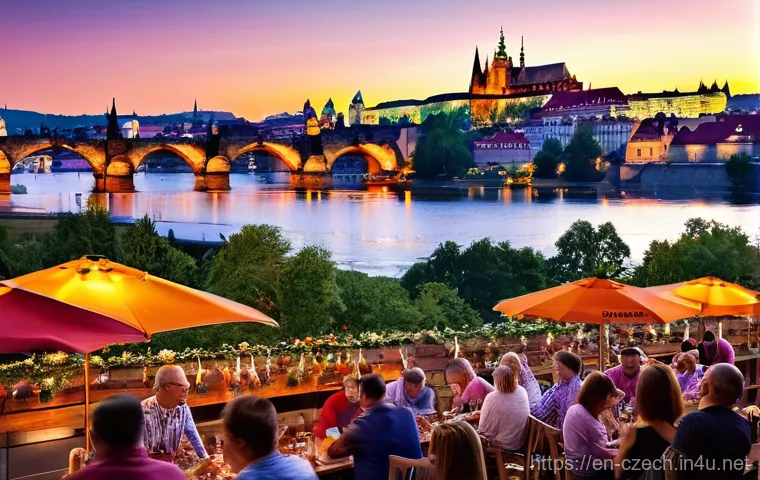
There’s nothing quite like a warm summer evening in Prague, sitting outdoors with friends, enjoying a panoramic view of the city, and sipping on a perfectly chilled beer. Prague’s beer gardens are an absolute institution, and they offer a different kind of beer-drinking experience compared to the cozy, indoor pubs. I’ve spent countless hours in these sprawling, open-air havens, and they truly capture the vibrant, communal spirit of Prague. It’s where locals and tourists alike gather to unwind, chat, and simply enjoy the beauty of the city. The atmosphere is always lively and relaxed, with the clinking of glasses, the murmur of conversations, and often the sounds of live music or street performers adding to the charm. What I love most is the sheer sense of freedom and space, a wonderful contrast to the winding, narrow streets of the Old Town. Many of these gardens are nestled within beautiful parks, offering stunning vistas of historical landmarks like Prague Castle or the Vltava River, making your beer taste even better. They are a quintessential part of the Prague experience, especially from spring through early autumn, and an absolute must for anyone looking to soak up the local vibe in a truly unique setting.
Riegrovy Sady: Views and Vibrancy
If you ask me for my favorite beer garden in Prague, Riegrovy Sady immediately springs to mind. Tucked away in the Vinohrady district, it’s not just a beer garden; it’s an experience. I’ve spent many unforgettable evenings here, gathering with friends, grabbing a casual bite from one of the food stalls, and just soaking in the incredible atmosphere. The highlight, for me, is the breathtaking sunset view over Prague Castle – it’s truly postcard-perfect. You can find a spot on the grassy hill, often packed with people enjoying picnics and conversation, or grab a table in the more traditional seating area. They serve excellent Kozel beer, which is a local favorite, and the vibe is always incredibly friendly and welcoming. It’s a place where you can truly relax after a day of sightseeing, watching the city lights begin to twinkle as the sky turns vibrant shades of orange and pink. It feels like a true slice of local life, where everyone is simply enjoying the moment, making it an essential stop for anyone wanting to experience Prague’s outdoor culture.
Letná Beer Garden: Castle Panoramas and Refreshing Pints
Another iconic beer garden that absolutely deserves a visit is the one in Letná Park. Situated on a hill overlooking the Vltava River and the majestic Prague Castle, the views from here are simply unparalleled. I always make a point to head up to Letná at least once during my visits, often after a stroll across Charles Bridge. There’s something incredibly satisfying about enjoying a cold Czech beer while taking in such an iconic panorama. The garden itself is spacious, with plenty of tables, and offers a good selection of popular Czech lagers. It’s a fantastic spot for people-watching and simply marveling at the sheer beauty of Prague. During my visits, I’ve seen everyone from young students to families enjoying the relaxed atmosphere, making it a truly inclusive spot. It’s particularly lovely on a sunny afternoon, when the breeze is just right, and the distant sounds of the city create a perfect backdrop. If you’re looking for that classic “Prague vista with a beer” moment, then Letná Beer Garden is unequivocally the place to be. It’s simple, authentic, and utterly charming.
Beyond the Brew: The Heart and Soul of Czech Pub Etiquette
Stepping into a Czech pub isn’t just about ordering a beer; it’s about entering a cultural space with its own unspoken rules and charming quirks. Having spent a considerable amount of time navigating these establishments, I’ve learned that understanding a bit of the local etiquette can significantly enhance your experience and help you feel more at home. It’s not about being rigid, but about showing respect for the local customs, which often makes for a much more authentic interaction. For instance, finding a seat is usually a “find your own” affair, and sharing tables, especially in crowded pubs, is perfectly normal and often encouraged. Don’t be surprised if someone sits at your table, even if there are other empty spots; it’s not rude, just efficient. Also, the concept of a “tab” isn’t as universal as in some other countries; sometimes, you might pay for each round as it arrives, especially in smaller, local pubs. I remember trying to start a tab once and getting a slightly confused look from the bartender – a valuable lesson learned! These small details might seem minor, but they contribute to the unique charm of Czech pub culture, and embracing them will make you feel less like a tourist and more like a local. It truly makes a difference in how you connect with the place and its people.
Ordering Your Pint Like a Pro
Ordering beer in a Czech pub is usually straightforward, but a few pointers can make you feel like a seasoned regular. First, eye contact with the bartender is usually enough to get their attention. When they approach, a simple “jedno pivo, prosím” (one beer, please) will typically get you a standard, delicious, half-liter (půllitr) of their house lager. If you want something specific, you might point to the tap or mention the name. You’ll notice that they don’t always ask which beer you want; often, the default is the main lager they serve, which is usually excellent anyway. Don’t be surprised if a new beer appears on your table without you explicitly asking; in some very traditional pubs, as soon as you finish one, another might arrive. This isn’t pushiness; it’s just the efficient and friendly service style! Just put a coaster over your glass if you’re finished. I’ve found that being polite and having a little patience goes a long way. The focus is on enjoying good beer in good company, and the ordering process is just a means to that delightful end.
Toasting and Table Manners: Blending In
Toasting, or “přípitek,” is a lovely part of Czech pub culture, and getting it right adds to the fun. When you raise your glass, look your companions in the eye, say “Na zdraví!” (To your health!), and gently clink glasses. It’s a simple gesture of camaraderie that I always enjoy. Something important to note: when clinking glasses, avoid crossing arms with others. It’s a small detail, but one that locals appreciate. As for general table manners, Czech dining is typically relaxed. Don’t feel rushed, and enjoy your meal and conversation. You might notice that in some pubs, smoking is still allowed in designated areas, or even throughout, though regulations are tightening. Always check for signs or simply observe what others are doing. Also, when it comes to paying, it’s customary to ask for the bill by saying “Zaplatím, prosím” (The bill, please) or just “Účet, prosím.” Tipping is generally expected and appreciated; a common practice is to round up to the nearest convenient amount or leave about 5-10% for good service. These little nuances might seem like a lot to remember, but they quickly become second nature and truly enhance your overall cultural immersion.
Concluding Thoughts
And there you have it, fellow beer adventurers! My hope is that this little journey through Prague’s vibrant beer scene has inspired you to look beyond the usual suspects and dive headfirst into the city’s incredible brewing culture. From the quiet charm of a local hospoda to the historical reverence of a monastic brewery, and the lively buzz of a beer garden, every sip tells a story. Trust me, the sheer joy of discovering a new favorite brew, perfectly poured and shared with good company, is an experience that stays with you long after the last drop. So, go forth, explore, and let Prague’s liquid gold weave its magic!
Useful Information to Know
1. Always keep some Czech Koruna (CZK) handy, especially for smaller, traditional pubs that might not accept cards. It makes life so much easier and keeps things moving smoothly!
2. Don’t be shy to learn a few basic Czech phrases like “jedno pivo, prosím” (one beer, please) or “děkuji” (thank you). A little effort goes a long way and often brings a warm smile.
3. Venture outside the main tourist areas. Neighborhoods like Vinohrady, Žižkov, and Holešovice often hide the most authentic pubs with incredible beer and local vibes.
4. Consider a day trip to iconic breweries like Pilsner Urquell in Plzeň or Budweiser Budvar in České Budějovice. Tasting beer at the source is a truly unforgettable experience.
5. Embrace the different pouring styles like “hladinka,” “šnyt,” and “mlíko.” They’re part of the unique Czech beer ritual and offer diverse tasting experiences.
Key Takeaways
Exploring Prague’s beer scene is more than just drinking; it’s an immersion into centuries of rich culture and passionate craftsmanship. To truly unlock its magic, you’ve got to step off the well-trodden path, embrace local customs, and connect with the heart and soul of Czech brewing. Remember, every perfectly poured pint, from the crispest světlé to the silkiest tmavé, is a testament to the nation’s dedication to beer, offering unique experiences that enhance your journey and create lasting memories. So, raise a glass, say “Na zdraví,” and let Prague’s incredible beer heritage captivate your senses!
Frequently Asked Questions (FAQ) 📖
Q: Beyond the world-famous Pilsner, what makes Czech beer truly unique, and what other types should I absolutely try when I’m there?
A: Oh, this is such a fantastic question! It’s true, Pilsner Urquell put Czech beer on the global map, and rightly so—it’s a masterpiece. But trust me, limiting yourself to just that would be like reading only the first chapter of an epic novel!
What makes Czech beer so special, in my experience, is its incredibly rich history and an unwavering commitment to quality and tradition. We’re talking about brewing techniques passed down through generations, often in facilities that have been making beer for centuries.
Many Czech beers, especially the traditional lagers, are brewed using a decoction mash, which is a more labor-intensive process but it gives the beer an incredibly rich, malty character and a beautiful deep color.
Plus, they often use their own distinct Saaz hops, which lend a wonderfully earthy, spicy aroma that’s just unmistakable. Now, for what else to try? You absolutely must dive into the world of dark lagers, or “Tmavé Pivo.” These aren’t heavy stouts; instead, they’re surprisingly smooth, often with notes of caramel, roasted malt, and a hint of sweetness, all balanced by a clean, crisp finish.
My personal favorites are often the unpasteurized, unfiltered versions you find in smaller pubs—they just taste alive! Keep an eye out for “Polotmavé Pivo” too, which is a lovely amber lager, offering a perfect bridge between light and dark.
And if you’re feeling adventurous, look for beers from smaller, independent breweries. The craft beer scene has been quietly flourishing, and you’ll often discover some truly inventive and delicious brews that showcase local ingredients and a fresh take on tradition.
It’s an adventure for your taste buds, I promise!
Q: I’m planning my first trip to Prague and want to experience the beer scene like a local, not just hit the tourist traps. Where should I go for an authentic experience?
A: That’s exactly the spirit I love to hear! Prague’s full of hidden gems, and while some of the bigger, more central pubs are iconic, to truly soak in the local vibe, you’ll want to venture a little further.
My top recommendation is to seek out a traditional “hospoda” or “pivnice” outside the immediate city center. These are the neighborhood pubs where locals gather after work, where the beer is meticulously cared for, and the atmosphere is genuinely warm and unpretentious.
They might not look fancy, but that’s part of their charm! I’ve spent countless evenings in places where the bartender knows everyone’s usual order, and the conversation flows as freely as the beer.
Look for places where you see older folks chatting, or groups of friends deep in conversation – that’s usually a good sign. Don’t be afraid to try some of the monastery breweries too, like Strahov Monastery Brewery.
They offer a unique blend of history, stunning views, and fantastic beer, often brewed on-site, giving you a taste of ancient traditions. And if the weather’s good, a “pivní zahrádka” (beer garden) is an absolute must!
Riegrovy Sady or Letná Park offer incredible city views, a relaxed atmosphere, and refreshing beer straight from the tap. It’s about slowing down, enjoying the moment, and letting the city’s pulse guide your pint.
Q: Beyond just drinking, how can I truly immerse myself in the Czech beer culture and make my visit to Prague unforgettable?
A: ny insider tips for a richer experience? A3: This is where the real magic happens! Simply drinking a pint is a pleasure, but truly immersing yourself takes it to another level, and honestly, that’s what makes a trip truly unforgettable.
First off, I’d highly recommend learning a few basic Czech phrases related to ordering beer—even just “jedno pivo, prosím” (one beer, please) or “na zdraví!” (cheers!) will get you a warm smile and show you appreciate their culture.
Secondly, don’t just focus on the beer itself; delve into the food pairings! Czech cuisine, with its hearty stews, goulash, and roasted meats, is practically made for beer.
Trying dishes like “svíčková” or “vepřo knedlo zelo” with a perfectly paired lager is an experience in itself. Another brilliant tip is to consider a brewery tour, especially at one of the smaller, independent places.
Many offer behind-the-scenes glimpses into their brewing process, which is fascinating and truly helps you appreciate the craft. I’ve found that hearing the brewers talk about their passion and methods really deepens your connection to what you’re drinking.
And here’s a really unique one: if you’re looking for something truly different, consider a beer spa! Yes, you heard me right—some places offer tubs filled with beer ingredients like hops, yeast, and malt.
It’s incredibly relaxing and supposedly great for your skin. It’s definitely a quirky, memorable way to connect with Czech beer in a completely different light.
Ultimately, it’s about opening yourself up to new experiences, engaging with the locals, and letting the rich history of this golden liquid wash over you.