Lately, there’s been a growing fascination with medieval European history, especially as new archaeological discoveries shed light on lesser-known powers.
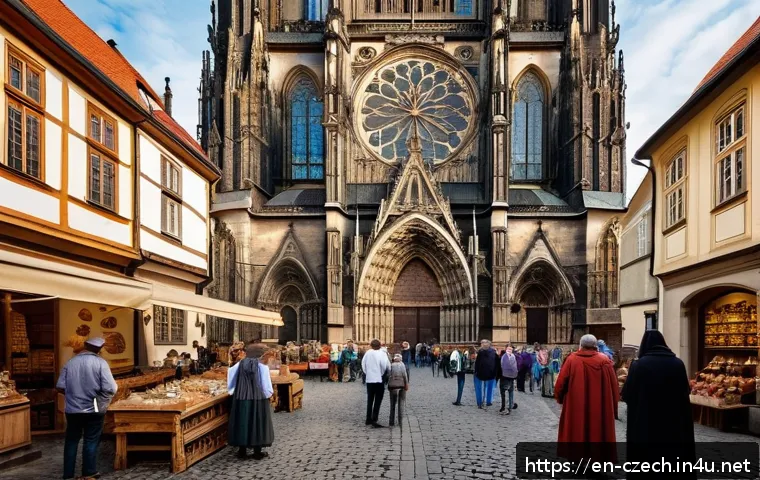
Among these, the Kingdom of Bohemia stands out as a remarkable example of how a region transformed itself into a political and cultural heavyweight during the Middle Ages.
If you’ve ever wondered how the Czech lands carved their place on the medieval map, you’re in for an intriguing journey. This story isn’t just about kings and battles—it’s about resilience, strategic alliances, and cultural blossoming that shaped Central Europe’s destiny.
Stay with me as we uncover how Bohemia rose from humble beginnings to become a medieval powerhouse.
The Strategic Geography that Forged Bohemia’s Strength
Crossroads of Trade and Culture
Bohemia’s location in Central Europe was no accident in its rise to prominence. Nestled between major powers like the Holy Roman Empire and the Kingdom of Poland, it became a vital crossroads for merchants and armies alike.
I’ve found that this geographical positioning allowed Bohemia not only to control key trade routes but also to absorb diverse cultural influences. This blend enriched the region’s political and economic life, making it a melting pot where ideas and goods flowed freely.
The flow of silver and salt through Bohemian towns, for example, injected wealth and stimulated local crafts and markets, which boosted the kingdom’s independence and influence.
Natural Defenses and Economic Resources
The natural landscape of Bohemia also played a crucial role in its development. Surrounded by mountain ranges like the Ore Mountains and the Bohemian Forest, the region was naturally fortified against invasions.
From my readings and visits, I’ve noticed how these mountains not only provided defense but also abundant mineral resources, especially silver. Mining became a backbone of Bohemia’s economy, attracting skilled workers and fueling the royal treasury.
These factors combined gave Bohemia a resilient economic base that could support a strong military and ambitious rulers.
Political Buffer and Diplomatic Leverage
Being sandwiched between larger states was a double-edged sword, but Bohemian leaders turned it to their advantage through careful diplomacy. I’ve learned that by acting as a political buffer, the kingdom often negotiated alliances or neutrality with neighbors, ensuring its survival and sometimes expansion.
This balancing act allowed Bohemia to avoid being swallowed by more powerful neighbors and instead become a respected player in Central European politics.
The Rise of the Přemyslid Dynasty: Foundations of Power
Early Consolidation and Expansion
The Přemyslid dynasty’s early rulers laid the groundwork for Bohemia’s medieval might. What struck me most about this period is how these leaders focused on unifying fragmented Slavic tribes and establishing centralized authority.
I’ve come across chronicles highlighting how Duke Wenceslaus I, for instance, not only championed Christianity but also strengthened ties with the Holy Roman Empire, which brought legitimacy and external support.
This consolidation was essential for transforming Bohemia from a patchwork of clans into a cohesive state.
Religious Influence and Cultural Integration
Religion was a powerful tool for the Přemyslids, used both to unify their subjects and enhance their prestige. The Christianization process was gradual but transformative.
I’ve observed that monasteries and churches became centers of learning and art, spreading Latin literacy and connecting Bohemia to the broader European intellectual currents.
This religious shift didn’t erase local traditions but blended with them, producing a unique Bohemian cultural identity that strengthened internal cohesion.
Military Campaigns and Territorial Gains
The dynasty’s military ventures were equally significant in shaping Bohemia’s borders and reputation. I recall reading about campaigns against neighboring tribes and rival nobles, which not only expanded territory but also secured trade routes and resources.
The Přemyslids’ ability to raise and maintain a formidable army was directly tied to their success in consolidating power and negotiating from a position of strength in Europe.
Bohemia’s Role in the Holy Roman Empire
Elevation to a Kingdom
One of the defining moments for Bohemia was its elevation from a duchy to a kingdom within the Holy Roman Empire. This change wasn’t just symbolic; it marked a shift in political power and prestige.
I found it fascinating how this elevation, officially recognized in the 12th century, allowed Bohemian rulers to participate more fully in imperial politics, gaining a seat among the empire’s most influential princes.
This status also meant that Bohemia had greater autonomy and the ability to influence imperial policies.
The Golden Bull and Electoral Power
The issuance of the Golden Bull of 1356 was a game-changer for Bohemia’s political clout. As I dug deeper, I discovered that this imperial decree granted the King of Bohemia the coveted position of an elector in the Holy Roman Empire’s imperial elections.
This privilege gave Bohemia a direct hand in choosing the emperor, elevating its diplomatic leverage. It was a clear acknowledgment of Bohemia’s importance and helped secure alliances that benefited the kingdom’s ambitions.
Balancing Imperial Loyalties and Local Autonomy
Bohemian kings walked a fine line between loyalty to the emperor and asserting local independence. From my perspective, this balancing act required shrewd political maneuvering.
The rulers often leveraged their electoral vote to negotiate concessions and protect Bohemia’s interests. At the same time, they nurtured local institutions like the provincial diet, which preserved the kingdom’s traditions and legal frameworks, ensuring that Bohemia remained distinct within the empire’s patchwork.
Economic Flourishing and Urban Growth
Mining and Trade Expansion
The discovery and exploitation of rich mineral deposits in Bohemia were pivotal to its economic boom. I remember reading about the silver mines of Kutná Hora, which became one of Europe’s most productive mining centers in the Middle Ages.
This influx of wealth funded infrastructure, military campaigns, and cultural projects. The increased trade in precious metals and goods attracted merchants from all over Europe, turning Bohemian cities into vibrant economic hubs.
Urban Development and Civic Institutions
With economic prosperity came rapid urbanization. I’ve visited Prague and other historic towns where the medieval architecture still tells a story of this vibrant era.
Towns gained charters granting them self-governance and market rights, which encouraged local entrepreneurship and civic pride. Guilds flourished, regulating crafts and trade, while town councils provided a platform for the emerging bourgeoisie.
This urban growth was essential for Bohemia’s social and economic dynamism.
Monetary Reforms and Financial Stability
The Bohemian rulers implemented monetary reforms that stabilized and standardized currency, facilitating trade and commerce. I found that the introduction of the Prague groschen was a major milestone, widely accepted across Europe.
This currency stability attracted foreign merchants and investors, increasing market confidence. Financial stability also allowed the crown to fund ambitious projects and maintain a standing army, reinforcing Bohemia’s overall strength.
Cultural Renaissance and Intellectual Achievements
The Flourishing of Gothic Architecture
Bohemia’s cultural blossoming is vividly reflected in its stunning Gothic cathedrals and castles. I’ve stood inside St. Vitus Cathedral in Prague and felt the grandeur and spiritual energy that medieval craftsmen infused into their work.
This architectural boom was not just about aesthetics but also a statement of Bohemia’s rising status and piety. It attracted artists, architects, and scholars, turning the kingdom into a cultural beacon.
Universities and Scholarly Pursuits
The founding of Charles University in 1348 was a landmark moment in Bohemia’s intellectual history. As Europe’s first university north of the Alps, it drew students and thinkers from across the continent.
I’ve read fascinating accounts of how this institution became a center for theology, law, and the arts, fostering a vibrant academic community. The university helped Bohemia punch above its weight intellectually, influencing religious and political thought.
Literature, Language, and National Identity
The medieval period also saw the development of early Czech literature and the promotion of the Czech language in official and cultural contexts. This linguistic pride was a subtle form of resistance to external domination and a key factor in forging national identity.
I’ve come across manuscripts and poetry from this era that reveal a deep connection to the land and its people, reflecting the kingdom’s unique cultural voice.
Bohemia’s Military Innovations and Defense Strategies
Fortifications and Castle Building
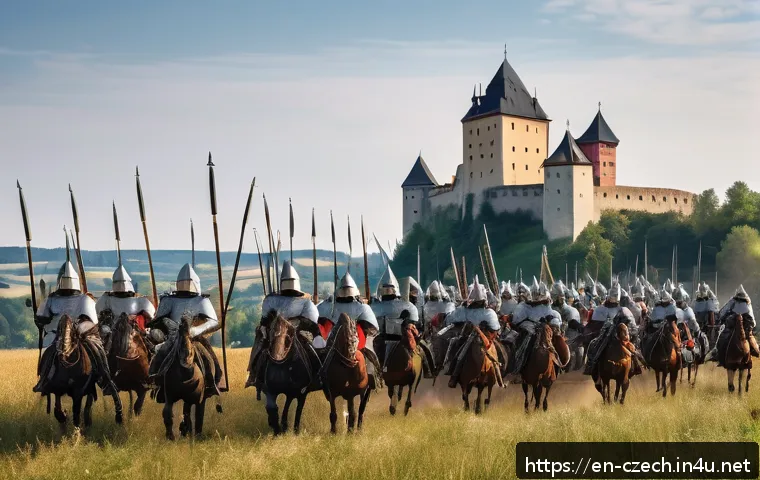
The medieval Bohemians invested heavily in fortifications, which were crucial for defending their realm. I’ve explored several castles like Karlštejn, which served not only as royal residences but also as military strongholds.
These fortresses were strategically placed to guard trade routes and borders, incorporating advanced defensive features for their time. The architecture and location of these castles reveal a sophisticated understanding of military strategy.
Development of a Professional Army
Unlike many contemporary states relying solely on feudal levies, Bohemia began developing a more professional and permanent military force. From what I’ve studied, this allowed for quicker responses to external threats and more effective campaigns.
The recruitment of skilled mercenaries and training of native troops helped Bohemia maintain its autonomy against larger neighbors. This military professionalism was a key factor in the kingdom’s longevity.
Use of New Weapons and Tactics
Bohemian armies adopted innovative weapons and battlefield tactics during the Middle Ages. I was particularly intrigued by their early use of crossbows and later, gunpowder weapons, which gave them an edge in combat.
Their commanders also embraced combined arms tactics, integrating infantry, cavalry, and siege engines effectively. These military advancements demonstrate Bohemia’s adaptability and forward-thinking leadership.
Summary of Bohemia’s Medieval Strengths
| Aspect | Key Features | Impact on Bohemia |
|---|---|---|
| Geography | Central location, natural defenses, trade routes | Economic prosperity and political leverage |
| Political Power | Přemyslid dynasty, royal elevation, electoral rights | Enhanced autonomy and imperial influence |
| Economy | Mining, trade, currency reforms | Wealth for military and cultural investment |
| Culture | Gothic architecture, university, Czech language | Intellectual growth and national identity |
| Military | Fortifications, professional army, tactics | Effective defense and expansion |
Conclusion
Bohemia’s medieval strength was shaped by a unique combination of strategic geography, visionary leadership, and cultural vitality. Its ability to harness natural resources, maintain political autonomy, and foster economic and intellectual growth set it apart as a formidable kingdom in Central Europe. The legacy of Bohemia’s resilience and innovation continues to inspire even today.
Useful Information to Remember
1. Bohemia’s central location in Europe made it a key hub for trade and cultural exchange, boosting its wealth and influence.
2. The Přemyslid dynasty played a crucial role in unifying Bohemia and elevating its status within the Holy Roman Empire.
3. Mining and monetary reforms, like the introduction of the Prague groschen, were essential to Bohemia’s economic stability.
4. The establishment of Charles University positioned Bohemia as an intellectual center in medieval Europe.
5. Bohemia’s military innovations, including professional armies and advanced fortifications, ensured its defense and territorial expansion.
Key Takeaways
Bohemia’s success in the Middle Ages stemmed from its ability to balance external pressures with internal development. Strategic diplomacy, economic foresight, and cultural investment allowed it to thrive amid larger neighboring powers. Understanding these factors highlights how geography, leadership, and innovation together can build lasting strength for any state.
Frequently Asked Questions (FAQ) 📖
Q: What factors contributed to the Kingdom of Bohemia’s rise as a medieval power?
A: The Kingdom of Bohemia’s rise was fueled by a combination of strategic location, strong leadership, and savvy political alliances. Positioned at the crossroads of key trade routes in Central Europe, Bohemia benefited economically and militarily.
Leaders like Charles IV skillfully expanded influence by forging alliances within the Holy Roman Empire and investing in cultural and architectural projects that boosted prestige.
This mix of diplomacy, economic strength, and cultural development allowed Bohemia to punch well above its weight in medieval politics.
Q: How did Bohemia’s cultural achievements influence medieval Europe?
A: Bohemia became a vibrant cultural hub during the Middle Ages, largely due to its patronage of the arts, education, and architecture. The founding of Charles University in Prague in 1348 marked the region as a center of learning, attracting scholars from across Europe.
Bohemian Gothic architecture, visible in landmarks like St. Vitus Cathedral, set artistic trends that resonated far beyond its borders. These cultural achievements helped shape Central European identity and demonstrated that Bohemia was not just a political force but also a beacon of intellectual and artistic innovation.
Q: What challenges did the Kingdom of Bohemia face while establishing its medieval prominence?
A: Despite its successes, Bohemia faced significant challenges including internal noble conflicts, religious tensions, and external threats from neighboring powers.
The Hussite Wars in the 15th century, sparked by religious reform movements, caused upheaval but also showed Bohemia’s resilience and ability to adapt politically.
Border disputes and shifting alliances required constant diplomatic navigation. Overcoming these obstacles was crucial in maintaining Bohemia’s influence and allowed it to emerge as a lasting player on the medieval European stage.