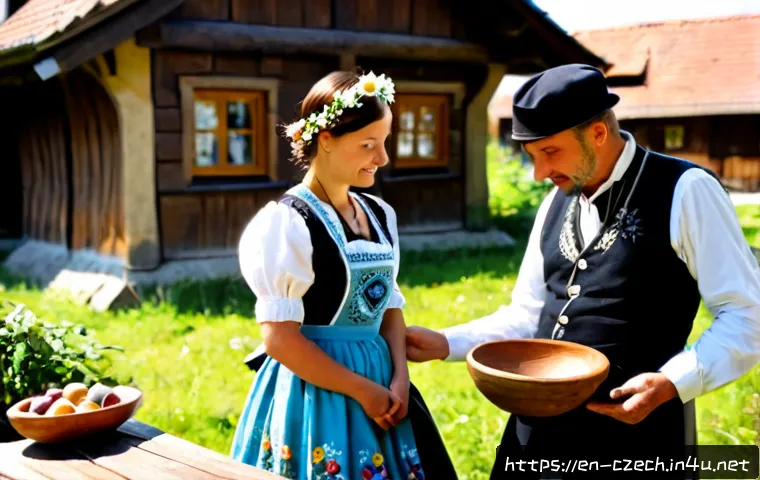
Czech culture is easiest to experience through seasonal customs, local food and beer traditions, puppet theatre, and Moravian folk heritage. For a short trip, combine one Prague-based cultural attraction with a food, brewery, or folklore-focused experience that clearly explains its regional context.
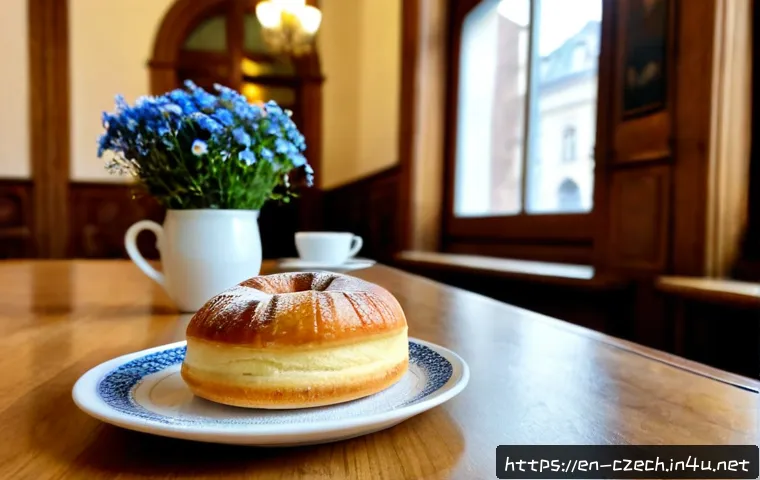
Prague offers convenient museums, performances, and guided cultural tours, while smaller towns and Moravia can offer a stronger connection to costumes, music, dance, wine harvest events, and community celebrations.
The best option depends on how much time you have, whether you prefer independent exploration or a local guide, and how important regional depth is to your itinerary.
Christmas, Saint Nicholas evening, and Easter can be especially memorable times to visit, but customs vary by household and region. When booking a cultural activity, look beyond the entertainment factor and check who leads it, what is included, where it takes place, and whether the program explains the tradition respectfully.
At a Glance
- Short-stay visitors: Prague museums, puppet performances, food experiences, and brewery visits are often the simplest cultural choices.
- Regional heritage: Moravia is especially associated with folk costumes, music, dancing, wine-related celebrations, and local food traditions.
- Seasonal customs: Christmas Eve, Saint Nicholas evening on 5 December, and Easter traditions are meaningful, but their practice differs across communities.
| Experience Type | Best For | What You May Gain | What to Check |
|---|---|---|---|
| Free public custom or local event | Independent travelers | A direct view of local atmosphere and seasonal traditions | Whether visitors are welcome, photography expectations, and current program details |
| Museum or cultural attraction | Short stays and families | Accessible background on history, crafts, puppetry, or regional life | Opening hours, language support, and whether exhibits explain regional differences |
| Guided cultural tour | First-time visitors | Context, local stories, and help connecting places into one itinerary | Tour length, group size, meeting point, inclusions, and cancellation terms |
| Folklore evening | Travelers wanting music and food together | A structured introduction to folk music, dance, and regional dishes | Whether the program identifies its regional roots and what the ticket includes |
| Food or brewery activity | Food-focused travelers | A practical route into Czech social and culinary culture | Location, tasting format, food inclusions, and responsible alcohol options |
What Czech Culture Feels Like to Visitors
A quick guide to regional identity, everyday etiquette, food, and celebrations
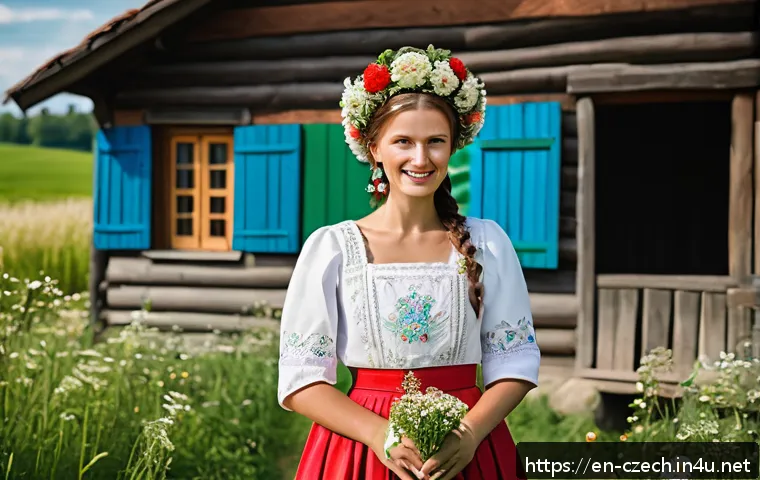
The Czech Republic includes the historic regions of Bohemia, Moravia, and Czech Silesia. A visitor should not expect one identical version of “Czech tradition” everywhere. Prague can be an efficient starting point, while Moravia may feel more closely connected to visible folk heritage, including kroje, or traditional costumes, music, dancing, regional food, and wine harvest events.
Food, beer, celebrations, and performing arts can all provide useful cultural entry points. Beer is an important part of Czech social and culinary culture, but local styles, breweries, and pub customs vary. The same principle applies to holiday traditions: learn the basic meaning, then leave room for local and family differences.
What travelers can realistically experience on a short visit
On a brief Prague trip, choose one or two focused experiences rather than trying to see every tradition at once. A museum visit, puppet theatre performance, guided cultural walk, or food-and-beer activity can give structure to a limited schedule. If your itinerary allows travel beyond Prague, a smaller-town visit or a Moravian heritage experience may offer more regional detail.
Choose depth over a packed schedule. A well-explained activity can be more useful than an event that looks traditional but provides little context.
Seasonal Traditions Worth Planning Around
Christmas food, markets, and family-centered customs
Christmas is closely connected with home and family traditions. A common Christmas Eve meal includes fried carp and potato salad, although family menus vary. Public seasonal activities may help visitors understand the atmosphere around the holiday, but they are not a replacement for private family customs.
If you are considering a Christmas market visit, seasonal food experience, or holiday tour, confirm the current opening dates and program directly with the organizer. Exact schedules and offerings can change annually.
Saint Nicholas evening and what children’s traditions mean
On 5 December, Saint Nicholas traditions are commonly observed with Mikuláš, an angel, and a devil-like character. For many people, this is a children’s tradition rather than a performance designed for tourists. If you encounter it in public, observe with care and avoid interrupting a family moment for photos.
A guided seasonal walk can add value when it explains the roles and local interpretation without turning a living custom into a novelty.
Easter eggs, willow switches, and respectful visitor behavior
Czech Easter customs can include decorated eggs and the pomlázka, a willow-switch tradition. Its practice and interpretation vary by household and region, so visitors should not assume that one explanation applies everywhere.
Ask before joining a workshop, taking close photographs, or participating in a custom. Respect matters more than collecting an unusual travel story. If an activity is presented to visitors, check whether the host explains the tradition, its local setting, and participation boundaries.
Folk Heritage Beyond Prague
Moravian costumes, music, dance, and wine-related celebrations
Moravia is particularly important for travelers interested in folk culture. Regional celebrations may feature kroje, folk music, dancing, local food, and wine harvest events. These elements can be highly visual, but they are more meaningful when you understand that costumes and celebrations can reflect specific local identities rather than a single national costume.
A heritage-focused itinerary may be worthwhile if you have time beyond Prague. Compare the travel time against the program itself: a shorter Prague activity may suit a city break, while a regional event can be better for travelers who want a slower, more focused cultural visit.
Puppetry, crafts, and local festivals
Czech puppet theatre has a long cultural history and remains part of the country’s performing-arts tradition. A puppet performance or related cultural attraction can work well for families and for visitors looking for an experience beyond architecture and major landmarks.
Craft workshops and local festivals can also be rewarding, but availability and authenticity vary by operator and location. Look for clear information about who is leading the activity and what cultural tradition it represents.
How to distinguish a community event from a tourist-oriented performance
A community event may be organized around local participation, seasonal life, or regional tradition. A tourist-oriented folklore evening may be designed for convenience, with a fixed schedule, music, dancing, and food in one place. Neither is automatically better.
Choose a community event if you value local atmosphere and can be flexible. Choose a ticketed performance if you need predictable timing, language support, seating, or a clear cultural introduction. The useful question is whether the experience is honest about what it is.
Comparing Cultural Experiences: Free Events, Museums, Tours, and Folklore Evenings
What each option offers in time, depth, accessibility, and typical spending level
Free public events can be low-cost and memorable, but they may require more independent planning. Museums and cultural attractions are often easier to fit into a Prague itinerary. Guided tours can connect history, neighborhoods, food, and local etiquette, while folklore evenings package music, dance, and dining into a single booking.
There is no universal best value. A traveler with limited time may value a guide’s explanation more than a long independent search. Someone staying longer may prefer to visit smaller towns, attend a regional celebration, or build a self-guided cultural route.
When a local guide or ticketed experience can add value
A local guide can be useful when the topic needs explanation: regional identity, holiday customs, pub culture, or the difference between a historical tradition and a modern visitor activity. Ticketed experiences can also be practical when they include transport, a set program, or a performance that would be difficult to arrange independently.
Before reserving a cultural tour or folklore dinner, compare duration, location, transport, food or drink inclusions, language, group format, and cancellation terms. These details matter more than broad promises of an “authentic” experience.
Questions to check before booking a cultural activity
- Does the description explain the regional or historical context?
- Is the meeting point practical for your accommodation and travel schedule?
- Are food, drinks, transport, entry tickets, or performance seating included?
- Does the program state whether it is a guided tour, workshop, community event, or staged folklore show?
- Are current dates, availability, and cancellation conditions clearly listed?
Practical Etiquette and Common Visitor Mistakes
Photography, dress, language, tipping, and personal boundaries
At local events, religious spaces, and seasonal celebrations, do not assume photography is welcome. Ask before taking close portraits, especially of children, performers preparing backstage, or people wearing regional dress. Dress appropriately for the setting, follow posted guidance, and use a polite question when you are uncertain.
Do not treat traditions as props. Folk costumes, Easter practices, and family customs can carry personal or regional meaning. A respectful visitor observes first, follows the host’s instructions, and avoids demanding that people perform a custom for the camera.
Pub culture and responsible beer tasting
Beer culture is an important part of Czech social and culinary life, but a pub is not simply a sightseeing stop. Choose a brewery activity, tasting, or pub-focused tour when you want interpretation of local styles and customs. If you visit independently, be considerate of staff and other guests, and make responsible choices around alcohol.
A food or brewery experience is often most useful when it explains what you are tasting and how the venue relates to its local setting, rather than treating beer as a challenge or spectacle.
Why regional customs should not be treated as costumes or stereotypes
Bohemia, Moravia, and Czech Silesia have distinctive local traditions, and individuals may relate to them differently. Generational, family, town, and regional attitudes can vary. Avoid presenting one festival, costume, or meal as the complete story of Czech life.
Selection Criteria and Comparison Summary
Best choices for first-time visitors, families, food-focused travelers, and heritage enthusiasts
First-time visitors may prefer a Prague museum, puppet theatre, or guided cultural tour with clear context. Families may find puppet-related attractions and accessible seasonal activities easier to enjoy together. Food-focused travelers can look for regional food, brewery, or beer-tasting experiences that explain local culinary culture. Heritage enthusiasts may gain more from a Moravian itinerary, smaller-town event, or guide-led experience focused on folk music, dance, costumes, and wine-related celebrations.
A final checklist for choosing an authentic and worthwhile Czech cultural experience
Choose an activity that fits your available time, clearly identifies its location and cultural focus, explains what is included, and does not overstate its connection to local tradition. Check whether the experience is public, community-based, guided, or staged for visitors. Compare travel time with the depth of the program. For paid tours, folklore evenings, museum tickets, and food experiences, review the official listing for current dates, inclusions, accessibility details, and cancellation conditions.
Closing Thoughts
Czech cultural traditions are best approached with curiosity and restraint. Prague can provide an accessible introduction, while Moravia and smaller communities may offer a more regionally specific view of folk heritage. Seasonal customs, puppet theatre, local food, and beer culture can all add meaning to a trip when visitors allow for variation rather than expecting a single fixed tradition. The most rewarding experiences tend to be the ones that explain context and respect local boundaries.
Useful Things to Know
1. Christmas Eve meals may include fried carp and potato salad, but family menus differ.
2. Saint Nicholas traditions are commonly associated with 5 December.
3. Easter customs involving decorated eggs and pomlázka vary by region and household.
4. Moravia is a strong choice for folk costumes, music, dance, wine harvest events, and regional food traditions.
5. Czech puppet theatre remains an important part of the country’s performing-arts tradition.
Important Notes
Festival schedules, ticket prices, opening hours, and event programs can change from year to year. The availability and quality of cultural tours, workshops, and performances also vary by operator and location. Confirm current details with the official organizer or booking page before making travel plans. Local customs should be approached as living practices, not as guaranteed visitor entertainment.
Frequently Asked Questions
Q1. What are the most important Czech traditions for first-time visitors to know?
A1. Useful starting points include Christmas Eve food traditions, Saint Nicholas evening on 5 December, Easter decorated eggs and pomlázka, Czech puppet theatre, and the country’s beer culture. Visitors interested in folk heritage should also know that Moravia is especially associated with kroje, music, dance, wine-related celebrations, and regional food.
Q2. Are Czech folklore dinners and cultural tours worth the cost?
A2. They can be worthwhile when they fit your schedule and provide clear cultural context. Compare the tour length, location, transport needs, food and drink inclusions, guide language, and cancellation terms. A ticketed folklore evening may be convenient, while an independent museum visit or local event may offer better value for travelers who prefer flexibility.
Q3. Is it respectful for tourists to attend Czech Easter, Christmas, or village festival events?
A3. Yes, when visitors follow local guidance and remember that customs can be personal, family-centered, or region-specific. Ask before taking close photographs or joining an activity, respect personal boundaries, and avoid assuming that every household or town practices the tradition in the same way.