Czech traditional clothing is best understood as a regional folk tradition, not one national uniform. For a one-time festival, cultural tour, or photo opportunity, renting is often more practical than buying a complete outfit.
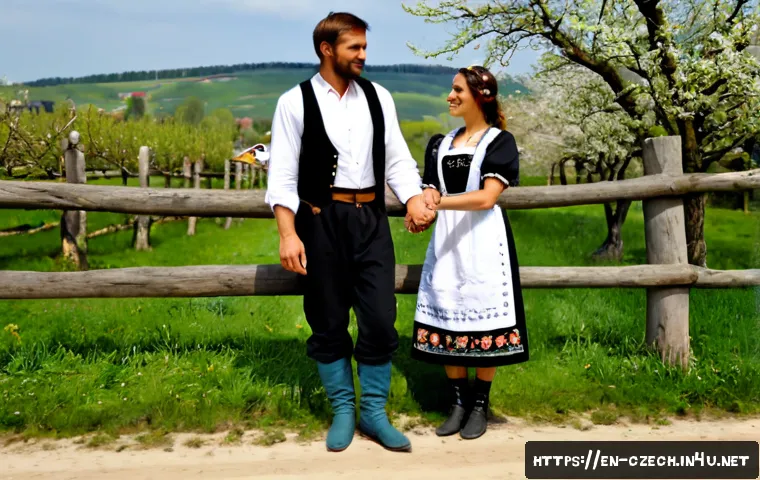
A ready-made replica can suit performers who need a simple, repeat-wear option, while a custom-made kroj is more relevant when regional detail and fit matter over time.
The right choice depends on your event, how often you will wear it, and whether local accuracy is important. Before choosing a costume rental or maker, compare the included accessories, cleaning terms, sizing process, and stated regional inspiration.
At a Glance
- Kroj is a common Czech term for traditional folk dress, but its appearance changes by region and locality.
- For short visits and one-time events, a costume rental may be easier than transporting, cleaning, and storing a full outfit.
- Check the costume’s regional reference, included pieces, and event expectations before wearing ceremonial-looking accessories.
| Option | Best for | Fit and convenience | Regional accuracy to check |
|---|---|---|---|
| Costume rental | Travelers, one-time festivals, photography | Convenient if sizing, cleaning, and accessories are clearly explained | Ask which locality or tradition inspired the outfit |
| Ready-made replica | Casual performances or repeat use | Usually simpler to own and transport than a full ceremonial set | May be stage-oriented rather than historically constructed |
| Vintage piece | Collectors and heritage researchers | Condition, sizing, and care need close attention | Documented provenance matters more than visual resemblance |
| Custom commission | Dance groups, regular performers, long-term use | Can be planned around the wearer and intended use | Discuss the chosen region, garments, embroidery, and accessories |
What Czech Folk Dress Represents Today
Why There Is No Single National Costume
Czech traditional clothing is commonly called a kroj, but that word should not suggest one fixed national design. The historic Czech lands include Bohemia, Moravia, and Czech Silesia, and each is associated with different folk-dress traditions. Details can also change from one locality to another. A costume with a blouse, apron, embroidered bodice, and ribbons may look recognizably Czech to a visitor, yet its specific combination may not belong to every region.
When Visitors Are Most Likely to See Traditional Clothing
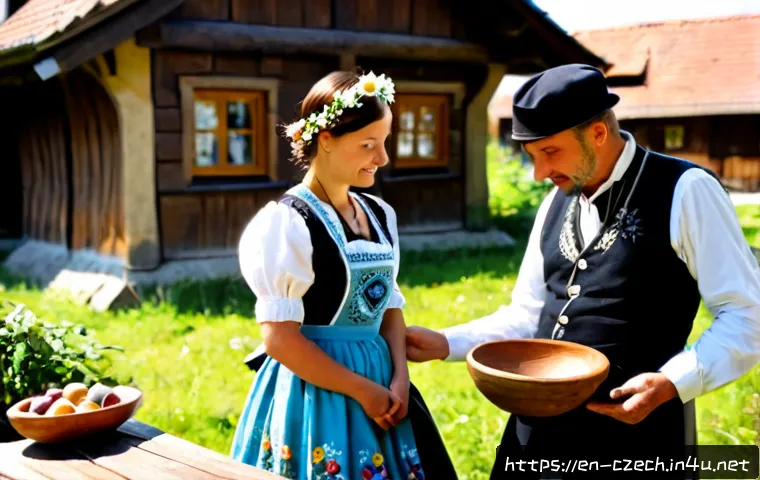
Folk dress is most often visible at festivals, folklore performances, processions, heritage events, and some weddings. In these settings, clothing may be worn by dancers, musicians, local participants, or members of an organized ensemble. Seeing a kroj in use is often the best starting point for understanding how garments, footwear, headwear, and decorative elements work together.
Quick Answer: Observe, Rent, Buy, or Commission?
If you are attending as a visitor, observing local dress and following event guidance is usually enough. Choose rental when the outfit is needed for a short occasion. Consider a ready-made replica when you need repeat use without requiring a fully documented historic construction. A custom-made folk costume is worth discussing when you perform regularly or need a particular regional reference and a more considered fit.
Recognizing Regional Styles Across the Czech Lands
Bohemian Clothing Traditions and Common Visual Features
Bohemia has its own range of local clothing traditions, so it is better to identify an outfit by its stated locality than to label every Czech costume simply “Bohemian.” Look at the overall arrangement of garments: the cut of the blouse or shirt, the shape of the skirt or trousers, the vest, apron, headwear, and decorative finish. These elements are more useful than relying on one color or embroidery motif alone.
Moravian Styles, Embroidery, and Ceremonial Detail
Moravian regions are especially well known for active folk traditions and elaborate ceremonial costumes. Embroidery, ribbons, fabrics, and color combinations may be visually prominent. That does not mean every embroidered item has the same meaning or belongs in every situation. When selecting a Moravian-style costume rental, ask whether it is intended for a performance, a general festival appearance, or a specific local tradition.
Czech Silesian Influences and Local Variation
Czech Silesia also contributes distinct folk-dress traditions to the wider picture of Czech clothing. Local variation is the main point to remember. An outfit can be inspired by Czech Silesia without representing every community in the area. For heritage research or formal presentation, request documented regional provenance rather than making an assumption from a photograph.
Main Garments and Accessories to Look For
Women’s Blouses, Aprons, Skirts, Bodices, and Headwear
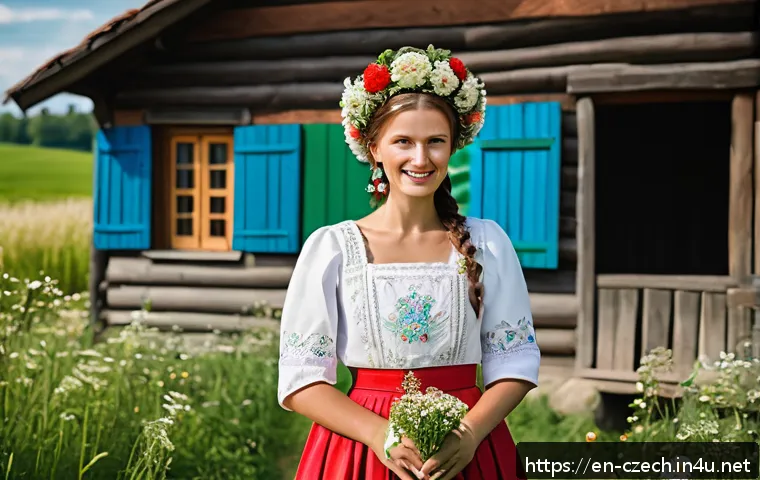
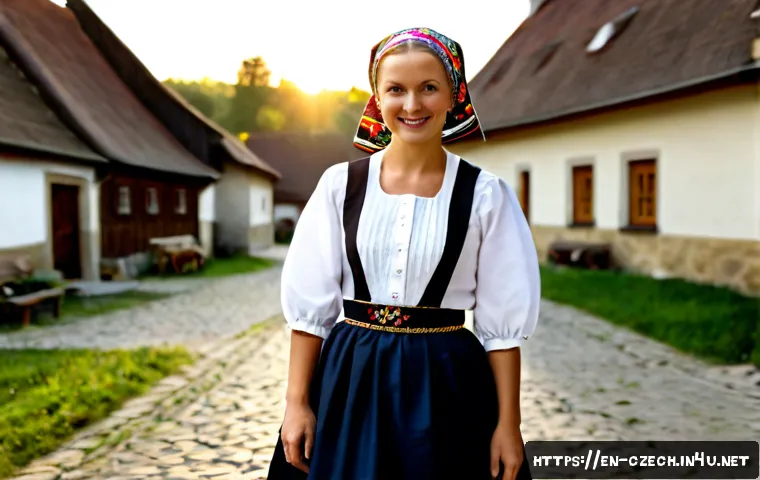
Women’s outfits often include a blouse, skirt, apron, bodice or vest, head covering, and decorative embroidery. The layering matters: an apron is not merely an accessory, and a bodice may be part of the costume’s regional identity. Headwear can also be important, especially where it is connected with ceremonial use. If a rental listing presents separate pieces, confirm exactly what is included before assuming you have a complete outfit.
Men’s Shirts, Waistcoats, Trousers, Hats, and Boots
Men’s folk dress may include a shirt, trousers, waistcoat, belt, boots, and a hat. The details vary by area, including how the garments are cut and decorated. For a cultural performance, it is helpful to check whether the waistcoat, belt, boots, and hat are included with the main costume. Footwear can affect comfort as well as visual consistency, so do not leave that question until the day of the event.
Why Embroidery and Ribbons Should Be Interpreted Carefully
Embroidery, ribbons, fabric choices, and color combinations can signal regional identity or ceremonial use. However, the original meaning of every motif, color, or accessory can differ between communities and time periods. Avoid presenting a decorative detail as having one universal meaning unless the maker, organizer, or local source provides context. A respectful approach is to describe what is known about the costume’s stated region and leave uncertain symbolism open for verification.
Rental, Replica, Vintage, or Custom-Made: Which Option Fits?
Comparison Table: Cost Factors, Fit, Authenticity, and Convenience
There is no reliable single price range for a Czech folk outfit. Rental and purchase costs depend on the region represented, garment condition, craftsmanship, accessories, and supplier. Instead of comparing only the headline cost, compare fit, included accessories, cleaning responsibilities, transport needs, and regional accuracy. These points often determine whether a costume is genuinely useful for your event.
When a Costume Rental Makes More Sense for Travelers or One-Time Events
A costume rental can be a practical choice when you are visiting for a festival, attending a themed cultural event, or participating in a short photography session. It avoids long-term storage and may reduce the difficulty of packing boots, hats, layered skirts, or delicate pieces. Before confirming, ask whether cleaning is included, whether footwear is available, and what happens if a garment does not fit as expected.
When a Custom Maker May Be Worth Considering for Dance Groups or Repeat Wear
A custom commission may be more appropriate for a dance group, folklore ensemble, or individual who will wear the costume repeatedly. It creates an opportunity to discuss intended movement, garment layers, and the regional tradition being referenced. A custom order is not automatically historically accurate, however. Ask the maker what source or locality guides the design and whether the result is intended as a ceremonial garment, a performance costume, or a museum-inspired replica.
Wearing Folk Clothing Respectfully and Avoiding Common Mistakes
Ask About Local Event Expectations Before Wearing a Full Outfit
Before wearing a full kroj at a local festival, wedding, or procession, ask the organizer about expectations. Some events may welcome participants in folk-inspired clothing, while others may have specific local practices or ensemble rules. This is especially important when the costume includes elaborate headwear, ceremonial-looking ribbons, or other pieces that may have local context.
Do Not Mix Regions or Ceremonial Accessories Without Guidance
A common mistake is assembling attractive pieces from different regions into one outfit without checking whether they belong together. A blouse, apron, vest, hat, and boots may all be Czech in a broad sense while still creating a mismatched regional combination. If you are renting, request a coordinated set. If you are buying separate festival accessories, ask which costume tradition they are designed to accompany.
Check Cleaning, Sizing, Footwear, and Accessory Terms Before Renting
Rental conditions deserve the same attention as appearance. Confirm the sizing process, the exact items included, cleaning terms, and whether boots or headwear are part of the package. Ask whether the costume is suitable for dancing, outdoor use, or extended wear. These practical checks can prevent a good-looking choice from becoming inconvenient on the day.
Selection Criteria and Comparison Summary
Choose based on your main purpose: festival visit, performance, wedding, or photography. Compare fit, included accessories, cleaning terms, transport needs, and regional accuracy before selecting a costume rental, replica, vintage item, or custom maker. Ask what region or locality the outfit represents, whether it is designed for ceremonial use or stage use, and what documentation exists for a vintage piece. For a one-time occasion, convenience may matter most; for repeated performance, fit and construction may deserve more weight. Compare the full item list and detailed terms on the relevant rental shop, maker, or event page before making a decision.
In Closing
Czech folk dress is most meaningful when viewed as a collection of living regional traditions rather than a single costume category. A rental can be a sensible choice for visitors, while a custom-made outfit may suit regular performers or committed heritage projects. The most useful habit is simple: ask what region the clothing represents and how it is expected to be worn. That protects both your comfort and the cultural context of the event.
Useful Things to Know
1. “Kroj” is a broad term and does not identify one exact regional design.
2. Moravian traditions are particularly visible in festivals and ceremonial folk presentations.
3. Modern performance replicas and historic garments may use different materials or construction methods.
4. A coordinated rental set can be easier than sourcing garments and accessories individually.
Important Notes
Regional accuracy cannot be confirmed from appearance alone without documented provenance. The suitability of a specific costume for a wedding, local ceremony, ensemble, or festival should be checked with the event organizer or a knowledgeable local provider. Meanings attached to colors, motifs, ribbons, and accessories can vary by community and time period, so avoid broad assumptions.
Frequently Asked Questions
Q1. Can tourists wear Czech folk costumes at festivals?
A1. It depends on the event. Folk dress is commonly seen at festivals and heritage events, but visitors should ask organizers about local expectations before wearing a full outfit, particularly one with ceremonial-looking accessories or headwear.
Q2. Is it better to rent or buy a Czech traditional outfit for a one-time event?
A2. Renting is often the more practical option for a one-time event because it can reduce concerns about transport, storage, and cleaning. Compare fit, included accessories, cleaning terms, and regional accuracy before choosing a rental.
Q3. How can I tell whether a Czech folk costume is regionally accurate?
A3. Ask which region or locality inspired the outfit and whether the seller or maker can provide documented provenance. Check whether the blouse, skirt or trousers, vest, apron, headwear, footwear, embroidery, and ribbons are presented as one coordinated regional set rather than mixed pieces.